
Sometimes shirts can become too loose over time or after washing, making them feel baggy and uncomfortable. Shrinking a shirt at home is a practical solution to adjust the fit without spending money on new clothing. With the right methods, you can safely reduce the size of your shirt while preserving its shape and color.
Cotton and polyester fabrics respond differently to heat and moisture, so knowing how each type reacts is essential. Using controlled home shirt shrinking methods allows you to target the right areas, whether you want overall shrinkage or minor adjustments.
These techniques are easy to follow and suitable for most shirts. Whether you want to shrink a cotton shirt or a polyester shirt, these methods help you achieve a better fit safely and effectively, giving your wardrobe a refreshed look.
1. Hot Water Wash Method
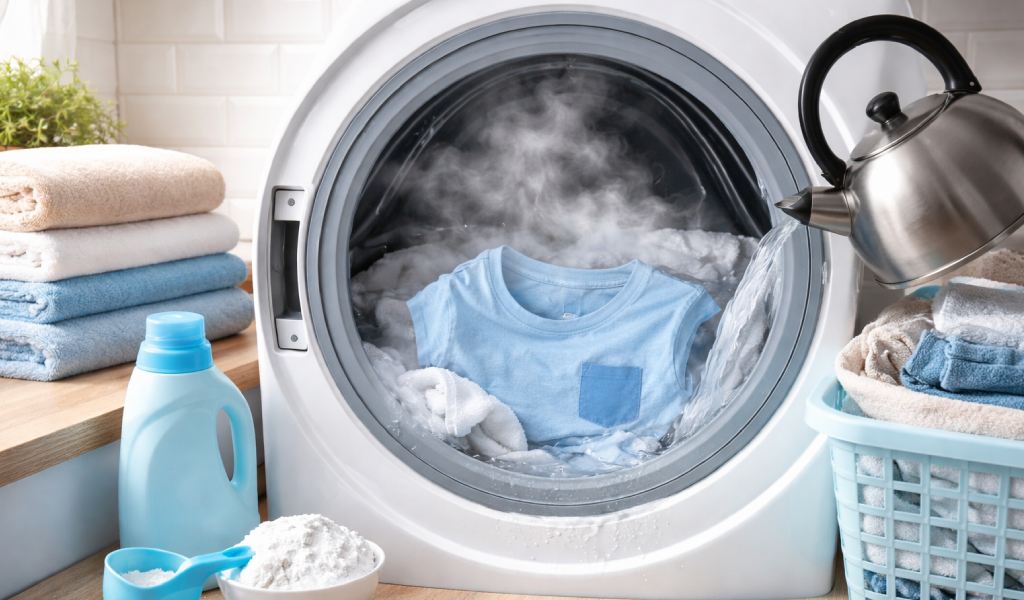
Shrinking a shirt using hot water is one of the safest and most effective ways to adjust the fit at home. This method works particularly well for natural fibers such as cotton. By carefully controlling the temperature and washing process, you can gradually reduce the size of your shirt without damaging the fabric.
How It Works
Hot water causes fibers to contract, tightening the fabric and reducing overall size. Cotton fibers respond especially well, while blended fabrics may shrink moderately. Using this method allows you to control the amount of shrinkage by repeating the process gradually. Shirts washed in hot water also tend to regain a firmer, more structured shape, making them more comfortable and better fitting.
Step-by-Step Instructions
- Prepare the washing machine: Set the water temperature to the hottest setting suitable for cotton shirts.
- Place the shirt in the washer: Ensure it is fully submerged and not overcrowded with other items to allow even shrinking.
- Run the wash cycle: Complete the full cycle and check the fit after drying.
- Repeat if necessary: Gradual repetition is better than attempting extreme shrinkage in a single wash.
Tips and Precautions
- Avoid delicate fabrics: Silk, rayon, and other sensitive materials can be damaged by high temperatures.
- Check the care label: Always verify the recommended washing temperature to prevent unwanted damage.
- Monitor shrinkage carefully: Make small adjustments and evaluate after each cycle to achieve the desired fit.
- Use proper drying methods: Combine with high-heat drying for additional shrinkage if the fabric allows.
2. High-Heat Dryer Method
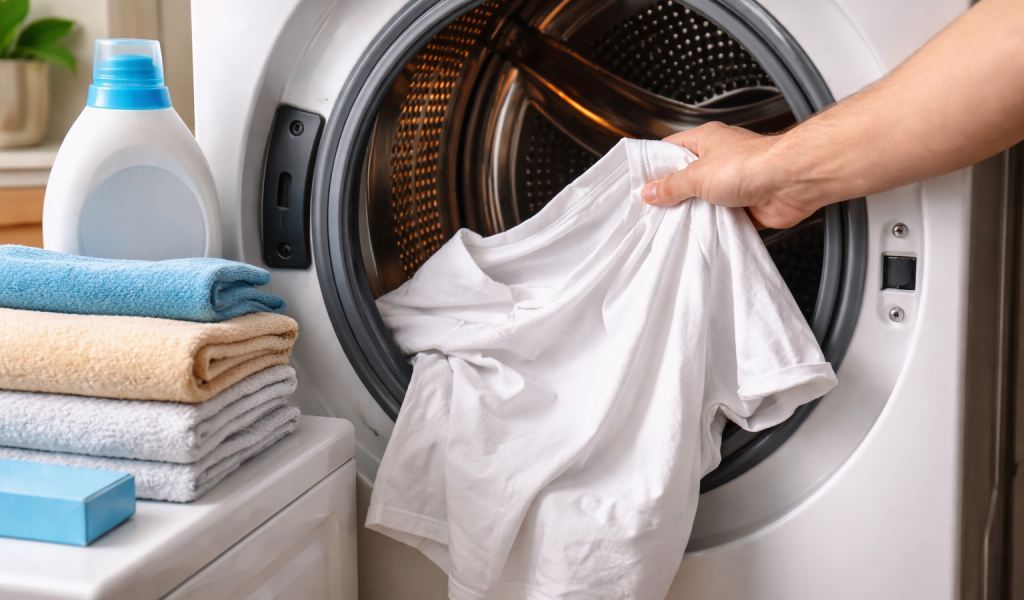
Using a high-heat dryer is an effective way to shrink a shirt at home, especially after washing it. The combination of heat and tumbling causes fibers to contract, gradually reducing the size of the shirt. This method works for cotton and cotton-polyester blends and allows controlled shrinkage without damaging the fabric when done carefully.
How It Works
Heat in the dryer causes fibers to tighten and contract while tumbling ensures even shrinkage throughout the shirt. Natural fibers such as cotton shrink more easily than synthetics, but polyester blends can still be adjusted moderately with repeated cycles. This method is practical because it combines convenience with predictable results, giving shirts a more tailored fit without complex procedures.
Step-by-Step Instructions
- Prepare the shirt: Remove it from the washing machine immediately after the wash cycle ends to avoid excessive stretching.
- Set the dryer temperature: Use the highest heat setting that is safe for the fabric type.
- Place the shirt in the dryer: Ensure it is not overcrowded to allow proper tumbling and even shrinkage.
- Check the fit: Monitor the shirt periodically and repeat the drying cycle cautiously if more shrinkage is needed.
Tips and Precautions
- Suitable fabrics: Works best for cotton and cotton-poly blends. Pure synthetic fabrics may shrink minimally.
- Avoid over-shrinking: Gradual adjustment is safer than attempting extreme shrinkage in one cycle.
- Combine with washing method: For additional shrinkage, pairing this method with a hot water wash can be effective.
- Monitor fabric quality: Repeated high-heat cycles may affect fiber strength, so check for wear after each cycle.
3. Boiling Method
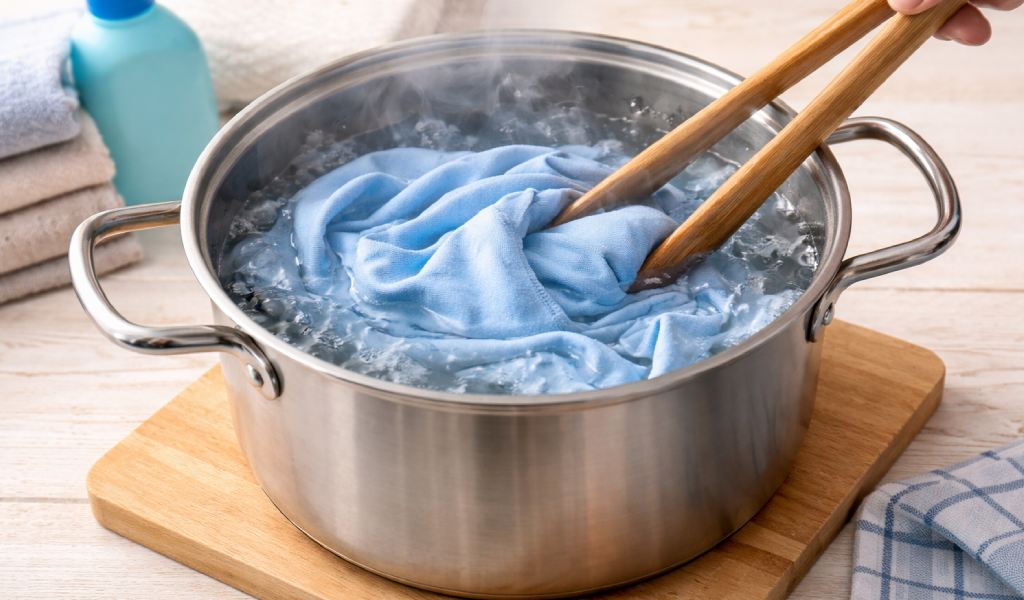
The boiling method is one of the most effective ways to shrink a shirt quickly at home. By submerging the shirt in boiling water, the fibers contract significantly, producing maximum shrinkage in a short time. This method works best for natural fabrics such as cotton, but caution is required to avoid damaging delicate or synthetic-only fabrics.
How It Works
When the shirt is exposed to boiling water, the heat causes the fibers to tighten and compress. Cotton fibers respond especially well, shrinking quickly and evenly. The boiling process accelerates fiber contraction compared to washing or drying methods alone. By controlling the time and temperature, you can achieve noticeable size reduction while maintaining fabric integrity.
Step-by-Step Instructions
- Boil water in a large pot: Ensure the pot is large enough to fully submerge the shirt.
- Submerge the shirt carefully: Keep it in the boiling water for approximately five minutes, moving it gently to ensure even exposure.
- Remove and wring carefully: Avoid excessive twisting to prevent stretching or distortion.
- Dry on high heat: Use a dryer or flat surface in a warm environment to further set the shrinkage.
Tips and Precautions
- Maximum shrinkage method: This technique provides the most significant size reduction, so apply gradually if unsure about desired fit.
- Avoid synthetic-only fabrics: Polyester and nylon do not respond well to boiling water and may warp or become damaged.
- Monitor shirt condition: Check for color fading or fabric weakening during the process.
- Use protective equipment: Handle boiling water with care to prevent burns.
4. Steam Iron Technique
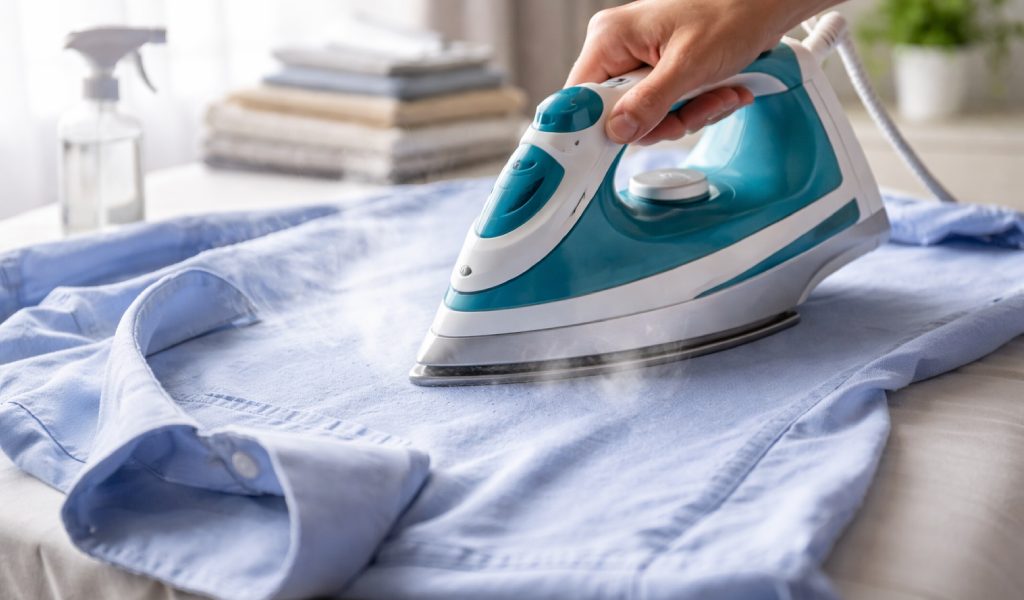
The steam iron technique allows for precise, targeted shrinking of specific areas on a shirt, such as sleeves, collars, or the torso. This method is ideal for minor adjustments and for shirts that have only become slightly loose. By combining moisture with controlled heat, fibers contract safely and effectively.
How It Works
When a slightly damp shirt is exposed to a steam iron, the heat penetrates the fibers, causing them to tighten. The steam helps the fabric respond gradually, allowing you to focus on areas that need adjustment without affecting the rest of the shirt. This method works well on cotton and cotton-blend fabrics and is perfect for fine-tuning fit after washing or drying.
Step-by-Step Instructions
- Dampen the shirt lightly: Use a spray bottle or slightly wet cloth to moisten the areas that need shrinking.
- Set the steam iron to high heat: Ensure the iron is suitable for the fabric type to prevent damage.
- Press the fabric firmly: Apply the iron with steady pressure over the areas needing adjustment, moving slowly for even results.
- Check the fit: Allow the shirt to dry and reassess the areas. Repeat cautiously if additional shrinkage is required.
Tips and Precautions
- Best for minor adjustments: Use this technique for targeted areas rather than shrinking the entire shirt.
- Test gradually: Begin with short steam sessions to avoid over-shrinking or distorting the fabric.
- Avoid synthetic-only fabrics: Polyester and nylon may not respond as desired and can be damaged by high heat.
- Ensure even pressure: Apply consistent steam and iron motion to prevent wrinkles or uneven shrinkage.
Safety Tips for Shrinking Shirts at Home
Shrinking a shirt at home can be safe and effective if you follow a few important precautions. Understanding the fabric type, heat levels, and proper handling ensures that your shirt maintains its quality while achieving the desired fit. These tips provide guidance for home clothing care and help prevent common mistakes.
Check the Fabric Care Label
Before applying any heat or water-based methods, always read the shirt’s care label. Fabric labels indicate the safest washing temperature and drying methods, allowing you to shrink shirts without causing irreversible damage. Following these instructions ensures safe shirt shrinking while maintaining fabric integrity.
Consider the Fabric Type
Natural fibers such as cotton and wool shrink more easily than synthetic fabrics like polyester or nylon. Blended fabrics may shrink moderately. Knowing the fabric type helps you choose the right method and temperature for gradual, controlled shrinking, reducing the risk of over-shrinking.
Avoid Over-Shrinking
Gradual shrinkage is safer than attempting to reduce the shirt size drastically in a single step. Repeat methods carefully and monitor the fit after each cycle. Controlled shrinking protects the shirt’s shape, stitching, and overall durability.
Handle Boiling Water Carefully
When using the boiling method, exercise caution to prevent burns or spills. Use protective gloves and a stable pot to safely submerge the shirt. Proper handling ensures effective shrinkage without accidents, making home shirt shrinking safer and more reliable.
FAQs
Yes, polyester can shrink at home, but it responds less than cotton. Apply heat cautiously and repeat gradually to avoid damaging the fibers while achieving controlled shrinkage.
Cotton shirts typically shrink about one to two sizes, while blends shrink moderately. Gradual testing allows you to monitor results and prevents over-shrinking or altering the shape excessively.
You can, but combining washing and drying produces more consistent results. Always monitor the temperature to ensure safe shrinking without fabric damage.
Repeated exposure to high heat can weaken fibers over time. Apply methods gradually, follow safety precautions, and check the fabric condition after each cycle to maintain durability.
For cotton-poly blends, the high-heat dryer or steam iron technique for targeted areas offers the safest and most controlled shrinkage while minimizing risk of distortion.
Key Takeaways
Shrinking a shirt at home can be simple and effective when you follow safe methods. The four techniques outlined—Hot Water Wash, High-Heat Dryer, Boiling, and Steam Iron—offer options for both overall and targeted adjustments. Each method allows you to control the amount of shrinkage, making it possible to gradually achieve the desired fit without damaging the fabric.
By understanding how different fabrics respond to heat and moisture, you can choose the best method for cotton, polyester, or blended shirts. Gradual and careful application ensures long-lasting results while maintaining the shirt’s shape and quality.
Try these methods at home and share which worked best for your shirt to help others find the most effective approach.