
No, spandex and polyester are not the same material, although both are synthetic, man-made fabrics derived from petroleum. While they share a common chemical origin, they serve completely different functional purposes in the textile industry.
Polyester acts as the durable, rigid foundation for clothing, while spandex provides the necessary elasticity. Understanding these distinctions is essential for consumers and manufacturers looking to maximize performance and comfort in modern apparel.
This guide explores their unique characteristics and why they are most effective when utilized together in high-performance garments.
- Understanding the Synthetic Landscape of Modern Textiles
- Polyester: The Durable Backbone of the Clothing Industry
- Spandex: The Specialist in Elasticity and Recovery
- Side-by-Side Comparison: Feature Analysis
- The Synthetic Synergy: Why the Poly-Spandex Blend is King
- Care and Longevity: Protecting Your Investment
- Frequently Asked Questions
- Conclusion: The Future of Apparel is Blended
Understanding the Synthetic Landscape of Modern Textiles
The textile industry relies heavily on synthetic fibers because of their consistency and cost-effectiveness. Both polyester and spandex fall into this category, but they are engineered for vastly different outcomes. While natural fibers like cotton or wool are grown, these materials are synthesized through chemical processes involving petroleum.
The Chemical Foundation of Synthetics
Synthetic fabrics are designed to overcome the limitations of natural materials. For instance, while cotton absorbs a high amount of moisture and dries slowly, polyester was developed to resist moisture and maintain its shape.
Spandex was engineered specifically to solve the problem of limited flexibility in clothing. Although they are often found together in the same garment, confusing them can lead to poor purchasing decisions and improper garment care.
Growth in Performance Apparel
The rise of the “athleisure” market has put the spotlight on these materials. High-performance garments, such as leggings and gym wear, are rarely made of a single fiber type. Instead, they rely on a strategic combination of these synthetics to achieve a balance of strength and flexibility that natural fibers simply cannot match.
Polyester: The Durable Backbone of the Clothing Industry
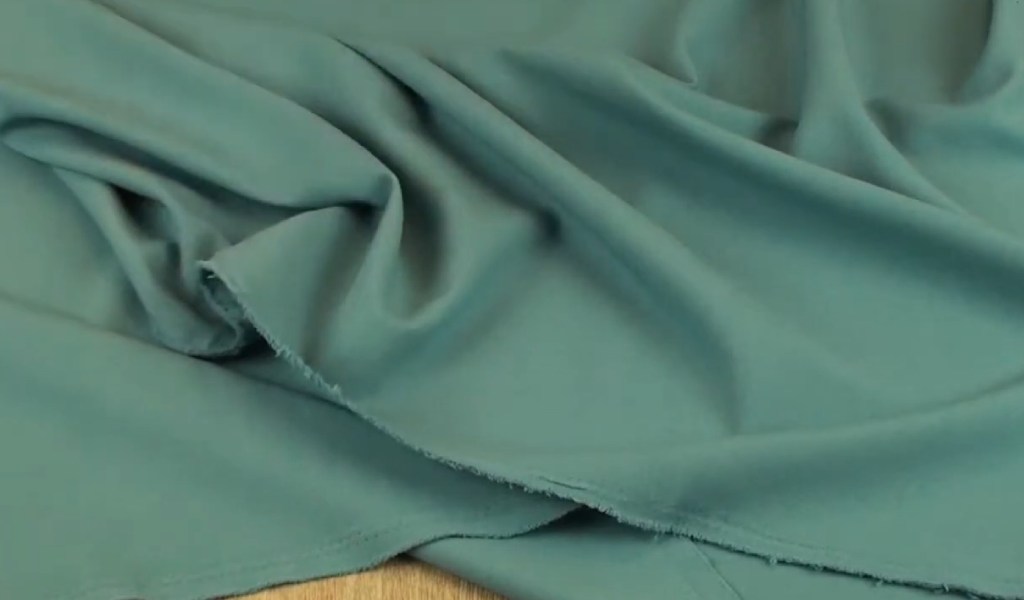
Polyester is the most widely used synthetic fiber in the world, valued primarily for its extreme durability and structural integrity. In the context of a garment, polyester acts as the “anchor,” providing the shape and resistance needed for long-term wear.
Superior Resilience and Maintenance
One of the primary reasons polyester is favored by high-end brands is its resistance to external stressors. It is a very rigid fiber that does not stretch significantly on its own. This rigidity is actually a benefit for garment longevity, as it helps the fabric resist wrinkles, shrinking, and damage from high heat.
Unlike natural fibers that may lose their shape after a few washes, polyester maintains its original dimensions even after heavy use.
Advanced Moisture Management
In addition to its strength, polyester is renowned for its excellent moisture-wicking capabilities. It is a hydrophobic fiber, meaning it repels water rather than absorbing it. This allows sweat to move through the fabric to the surface, where it can evaporate quickly. This fast-drying nature makes it the ideal candidate for activewear and outdoor gear where staying dry is a priority for the wearer.
Economic and Manufacturing Efficiency
From a production standpoint, polyester is relatively inexpensive to manufacture. This affordability allows it to be used as the primary component in a wide range of products, from fast-fashion basics to high-end performance gear. Its ability to take on various textures and finishes further enhances its versatility across different apparel categories.
Spandex: The Specialist in Elasticity and Recovery

While polyester provides the structure, spandex—also known as elastane or Lycra—is the component responsible for how a garment moves with the body. It is a specialty fiber that is rarely used at 100% capacity due to its unique physical properties.
Unmatched Stretch and Snap-Back
The defining characteristic of spandex is its extreme stretch and recovery. It is capable of expanding between 500% and 600% of its original length and immediately snapping back to its original shape.
This “memory” is what allows form-fitting clothing to remain snug without becoming permanently bagged out at the knees or elbows. Without spandex, many modern clothing silhouettes would be impossible to maintain during physical activity.
Physical Limitations and Sensitivity
Despite its impressive elasticity, spandex has several drawbacks that prevent it from being used as a standalone fabric. It is significantly more expensive to produce than polyester.
Furthermore, it is quite sensitive to high heat and harsh chemicals, which can cause the elastic fibers to break down and lose their “snap” over time. It also tends to retain moisture and lacks breathability when used on its own, which can lead to discomfort during intense exercise.
Side-by-Side Comparison: Feature Analysis
To better understand the distinct roles these fabrics play, it is helpful to view them across key performance metrics.
| Feature | Polyester | Spandex (Elastane / Lycra) |
|---|---|---|
| Primary Trait | Strength and durability | Extreme stretch and recovery |
| Elasticity | Very rigid; no natural stretch | Stretches 500–600% |
| Durability | Resists wrinkles, shrinking, heat | Sensitive to heat and chemicals |
| Moisture Control | Wicking and fast-drying | Retains moisture; less breathable |
| Production Cost | Relatively inexpensive | More expensive to produce |
The Synthetic Synergy: Why the Poly-Spandex Blend is King
Because 100% polyester is too rigid and 100% spandex is too fragile and tight, manufacturers typically combine them to create a “poly-spandex” blend. This creates a fabric that captures the best of both worlds while mitigating the weaknesses of each.
Strategic Fiber Ratios
In a typical high-performance garment, polyester serves as the structural base. It makes the clothing affordable, fade-resistant, and effective at managing sweat. Spandex is added in small, strategic amounts—usually between 5% and 20% of the total fabric composition.
This small percentage is enough to give the garment the necessary flexibility and form-fitting comfort without sacrificing the durability provided by the polyester.
Optimized Performance for Active Use
This synergy is why the poly-spandex blend is the gold standard for leggings, yoga wear, and athletic jerseys. The polyester ensures the garment doesn’t tear or lose its color under stress, while the spandex allows for a full range of motion. This combination solves the “gap” in individual fabric performance; the resulting blend is neither too stiff nor too delicate for the demands of modern life.
Care and Longevity: Protecting Your Investment
Because these fabrics are synthetic and often blended, they require specific care to maintain their performance characteristics. Following these guidelines ensures that the spandex doesn’t lose its elasticity and the polyester doesn’t suffer from pilling.
- Avoid High Heat: While polyester is heat-resistant, spandex is not. Always wash poly-spandex blends in cool or lukewarm water and avoid high-heat dryer settings to prevent the elastic fibers from snapping.
- Skip the Fabric Softener: Fabric softeners can coat the fibers of polyester, clogging the “pores” that allow for moisture-wicking. This reduces the fabric’s ability to keep you dry.
- Wash Inside Out: To prevent the polyester surface from pilling or catching on other items in the wash, turn your performance gear inside out before cleaning.
- Air Dry When Possible: Air drying is the safest way to preserve the integrity of a poly-spandex blend, as it completely removes the risk of heat damage.
Frequently Asked Questions
Polyester is generally more breathable in an active context because it wicks moisture away from the skin and dries rapidly. Spandex, when used alone, tends to trap moisture against the body.
It is extremely rare to find 100% spandex clothing because it would be excessively tight, expensive, and fragile. Spandex is almost always blended with other fibers like polyester or cotton to make it wearable.
Both are petroleum-derived synthetics, which means they are not biodegradable. However, many manufacturers now produce recycled polyester from plastic bottles, which helps reduce the environmental footprint compared to virgin spandex or polyester production.
Pure polyester is very rigid and does not have natural stretch. If a polyester garment begins to sag or stretch out, it is likely because it was blended with an elastic fiber that has lost its recovery ability, or the weave of the fabric has been compromised.
Conclusion: The Future of Apparel is Blended
The answer to whether spandex and polyester are the same is a definitive no, but their relationship is one of the most important in the modern fashion industry.
By understanding that polyester provides the strength and spandex provides the stretch, consumers can make more informed choices about the clothing they buy.
Whether you are looking for durable workwear or flexible gym gear, the “synthetic synergy” of these two materials ensures that your clothing can keep up with the demands of your lifestyle.
When you see a “poly-spandex” label, you aren’t seeing two redundant materials; you are seeing a carefully engineered solution for comfort and performance.