
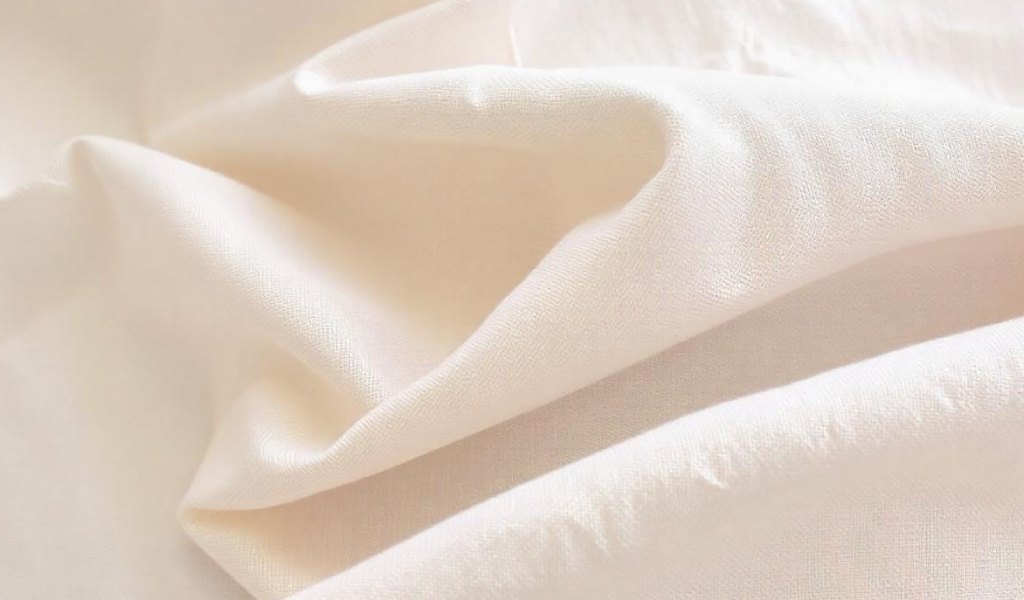
Linen blend fabric represents a strategic evolution in textile engineering, merging the timeless elegance of flax with the functional benefits of modern fibers. Traditionally, pure linen is celebrated for its breathability but critiqued for its rigid texture and propensity to wrinkle.
By integrating secondary fibers like cotton, silk, or polyester, manufacturers have created a versatile textile that retains the iconic slubbed aesthetic while enhancing durability and comfort.
This comprehensive guide explores why these blends have become the preferred choice for high-end fashion and home interiors, offering a sophisticated balance between classic luxury and everyday practicality for the modern consumer.
- Defining the Composition of Linen Blend Fabrics
- Pure Linen vs. Linen Blend: A Technical Comparison
- Common Varieties of Linen Blends and Their Properties
- Why Industry Leaders Prefer Linen Blends over Pure Flax
- Modern Applications Across Fashion and Home Interiors
- Professional Maintenance: Ensuring Textile Longevity
- Frequently Asked Questions
- Conclusion
Defining the Composition of Linen Blend Fabrics
A linen blend is a specialized textile produced by weaving natural flax fibers with other natural or synthetic yarns. This manufacturing process involves mixing different fibers to create spinnable yarns before the weaving stage begins. By moving away from 100% pure flax, producers can address the inherent limitations of the material, such as its stiffness and lack of elasticity.
The Strategic Ratios of Fiber Blending
The composition of these fabrics typically features secondary fibers ranging from 30% to 70% of the total weight. These ratios are not arbitrary; they are engineered to meet specific consumer demands for performance and feel.
For instance, common ratios like 50/50 or 60/40 allow the fabric to maintain the “cooling feel” and textured appearance of flax while adopting the softness or durability of the partner fiber.
The Core Objective of Hybrid Textiles
The primary goal is to capture the signature slubbed texture and airy breathability of flax while introducing desirable traits like wrinkle resistance or a fluid drape. This hybrid approach ensures that the resulting material is better suited for a variety of applications, from professional attire to deluxe bedding, without sacrificing the premium aesthetic associated with natural linen.
Pure Linen vs. Linen Blend: A Technical Comparison
When evaluating textiles for high-performance use, understanding the differences between 100% pure linen and its blended counterparts is essential for informed procurement.
| Feature | 100% Pure Linen | Linen Blend Fabric |
|---|---|---|
| Hand Feel | Crisp, stiff, and occasionally rough initially. | Softer, smoother, and immediately skin-friendly. |
| Breathability | Maximum airflow and moisture-wicking. | High breathability, though slightly less than pure flax. |
| Wrinkle Resistance | Highly prone to deep, permanent creases. | Significantly improved; smoother and easier to maintain. |
| Drape | Rigid and structured aesthetic. | More fluid and body-contouring, especially with rayon. |
| Maintenance | Requires meticulous washing and heavy ironing. | Easier to care for; less prone to shrinking or deformation. |
| Cost Profile | Premium pricing due to labor-intensive harvesting. | Generally more accessible and cost-efficient. |
Common Varieties of Linen Blends and Their Properties
The characteristics of the final textile are dictated by the secondary fiber introduced into the weave. Each combination serves a distinct market need, ranging from daily casual wear to luxury fashion.
Linen-Cotton: The Standard for Everyday Comfort
The linen-cotton blend is the most prevalent variety, combining two staple natural fibers to create an all-season textile. This blend softens the crisp hand feel of pure flax, making it more pliable and comfortable for direct skin contact. Furthermore, the addition of cotton enhances the material’s ability to resist aggressive creasing, ensuring that garments remain presentable throughout a full day of wear.
Linen-Silk: The Pinnacle of Sophisticated Texture
For high-end applications, the linen-silk blend utilizes natural mulberry silk to scale back the rustic texture of flax. This premium option introduces a delicate luster and a supple hand feel that is ideal for formal attire. While it retains the moisture-wicking properties of linen, the silk component adds a level of elegance and “flowy” drape that pure linen cannot achieve.
Linen-Rayon and Viscose: Engineered for Fluidity
Linen-rayon blends are designed to solve the problem of rigid drape. Rayon and viscose fibers add a sleek sheen and a fluid movement to the fabric, making it a preferred choice for summer sportswear and flowing dresses. These blends are exceptionally lightweight and feel much smoother against the skin than 100% linen.
Linen-Tencel: The Intersection of Performance and Sustainability
Incorporating Tencel Lyocell fibers—a third-generation regenerative cellulose fiber—creates a high-quality blend focused on sustainability. This combination is recognized for its luxurious texture and fine touch, making it a staple in “green fashion”. It effectively solves the stiffness of pure linen while maintaining excellent breathability.
Linen-Modal: Unmatched Softness and Elasticity
Modal fiber, known for its incredible softness, is often added to linen to create a textile that is 50% more moisture-absorbent than cotton. This blend is particularly effective for underwear and loungewear because it introduces a subtle stretch and a silky luster to the otherwise rugged linen base.
Linen-Wool: A Year-Round Natural Hybrid
While linen is traditionally associated with summer, the linen-wool blend provides a solution for cooler climates. This blend neutralizes the itchiness of wool and the roughness of linen, resulting in a lightweight, breathable fabric that offers moderate warmth. It is widely used by designers for high-end suits and casual coats.
Linen-Polyester: Durability and Stability
The addition of synthetic polyester fibers dramatically increases the structural stability of the textile. This blend is resistant to shrinking, wrinkling, and deformation, making it highly practical for home textiles like curtains or sofa covers. While it may not offer the same level of comfort as natural blends, its cost-efficiency and durability are unmatched.
Linen-Hemp: The Durable Natural Powerhouse
Linen-hemp blends utilize two of the oldest eco-friendly fibers to create an exceptionally strong material. Hemp is one of the strongest natural fibers, and when blended with linen, it creates a textile that can last for decades. This blend is naturally anti-bacterial and becomes softer with every wash, despite being stiff initially.
Why Industry Leaders Prefer Linen Blends over Pure Flax
The shift toward blended textiles is driven by practical advantages that improve the user experience and reduce the total cost of ownership for the consumer.
Enhanced Wrinkle Management
One of the primary deterrents for pure linen is its tendency to crease instantly upon movement. Blends hold their shape much better, minimizing sharp lines and maintaining a polished appearance for business and travel.
Immediate Skin Comfort
Flax fibers can be scratchy or rigid when new. By blending in fibers like modal or cotton, the fabric provides an immediately pliable and comfortable feel that does not require a “break-in” period of multiple washes.
Operational Cost and Maintenance Efficiency
Pure linen commands a premium price due to its labor-intensive production. Blending with more cost-effective fibers allows consumers to enjoy the aesthetic of linen at a more accessible price point. Additionally, these fabrics are far less demanding on the ironing board and undergo significantly less shrinkage during laundry cycles.
Modern Applications Across Fashion and Home Interiors
The versatility of linen blends has expanded their use far beyond traditional summer shirts, reaching into diverse sectors of the textile industry.
- Professional Apparel: Linen-wool and linen-polyester are frequently utilized for business suits and trousers, as they provide breathability without the excessive wrinkling typical of pure flax.
- High-End Women’s Garments: Blends featuring Tencel, rayon, or modal are favored for dresses and scarves due to their enhanced weight and ability to flow with the body.
- Deluxe Bedding: Linen-cotton and linen-Tencel are ideal for sheets and pillowcases, offering a cooling touch for warm weather while remaining soft enough for comfortable sleep.
- Interior Decor: Linen-polyester is a standard for curtains because it resists the deformation caused by humidity and water absorption, a common issue with 100% linen.
- Functional Accessories: Linen-cotton canvas is often used for durable tote bags, caps, and even as a base fabric for oil paintings due to its ease of dyeing.
Professional Maintenance: Ensuring Textile Longevity
Proper care is essential to maintain the integrity and appearance of blended fabrics. While they are generally more resilient than pure linen, they still require specific handling.
Washing Protocols
It is recommended to use cold or slightly warm water (under 40°C) to prevent damaging the natural fibers. High temperatures can destroy the linen components and reduce breathability. Use a pH-neutral detergent and avoid chlorine bleach, which can weaken the fibers over time. For machine washing, a “Delicate” cycle and a laundry bag are advised to minimize friction.
Drying and Reshaping
To avoid damaging the fibers, do not wring or twist the fabric. Instead, gently squeeze out excess moisture with a clean towel. Reshaping the garment while wet can remove up to 70% of potential wrinkles. Always air-dry in a shaded area, as direct sunlight can make natural fibers brittle and cause colors to fade.
Storage and Pressing
For the best results, iron linen blends while they are still slightly damp. For blends containing rayon or Tencel, a vertical steamer is often more effective at maintaining the fabric’s natural drape. Store these items in a dry environment on wide-shouldered hangers, and use cotton dust bags rather than plastic to allow the fibers to breathe.
Frequently Asked Questions
Are linen blends suitable for travel?
Yes, particularly linen-cotton blends. They are easier to maintain and develop fewer wrinkles, making them ideal for packing and long-term wear during transit.
Do these fabrics shrink or stretch?
Linen blends can shrink, especially those mixed with cotton. However, blends containing wool or modal may offer a degree of elasticity and stretch that pure linen lacks.
Is a linen blend considered sustainable?
Most are sustainable, especially when flax is paired with other natural fibers like hemp or Tencel. However, linen-polyester is less eco-friendly because polyester is non-biodegradable and requires significant energy to produce.
Conclusion
Linen blend fabrics are a sophisticated solution for those seeking the aesthetic prestige of flax without the traditional maintenance hurdles.
By carefully selecting a blend tailored to specific needs—whether it be the luxury of silk, the softness of cotton, or the durability of polyester—consumers can enjoy a high-performance textile that excels in both form and function.
These materials represent a smart investment in comfort, style, and longevity, making them a cornerstone of the modern wardrobe and home.
Leave a Reply