
Choosing the right fabric is an important decision that affects comfort, durability, and overall garment performance. Understanding the properties of different materials helps you select clothing that meets your lifestyle needs while providing long-lasting quality.
Polyamide, commonly known as nylon, and modal are two popular fabrics that offer distinct advantages. Polyamide is valued for its strength, elasticity, and quick-drying properties, making it suitable for activewear and performance clothing. Modal, a semi-synthetic fiber made from natural cellulose, is prized for its softness, breathability, and eco-friendly production, making it ideal for casual and loungewear.
This guide explores the differences between polyamide and modal, providing a detailed fabric comparison to help you choose the best fabric for your wardrobe. By understanding their unique qualities, you can make informed choices that balance comfort, functionality, and sustainability.
What is Polyamide (Nylon)?
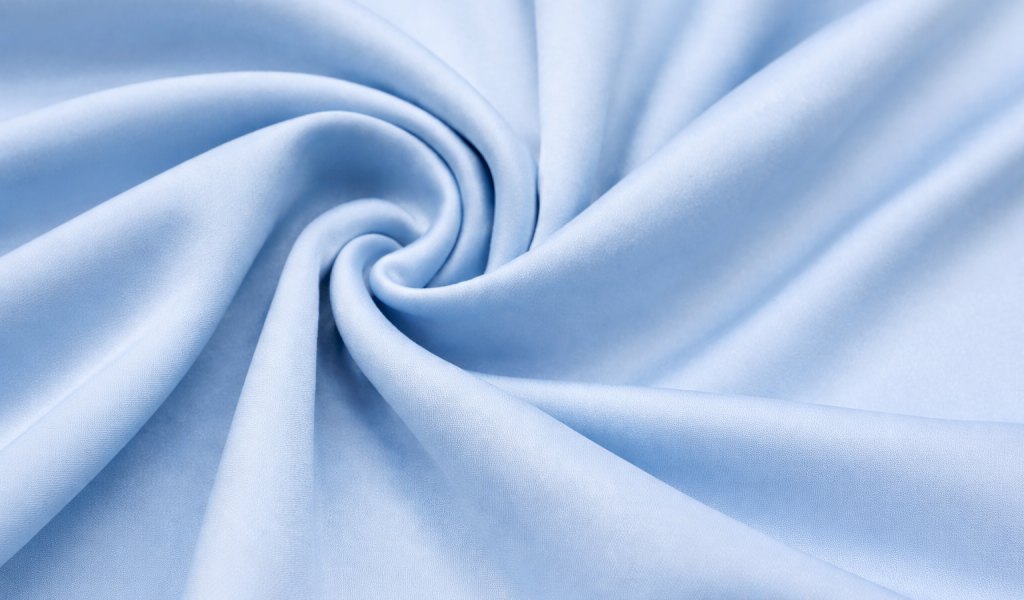
Polyamide, more commonly known as nylon, is a synthetic fabric widely used in modern clothing and performance textiles. It is valued for its strength, elasticity, and resistance to wear, making it an essential material for both casual and high-performance garments. Understanding how polyamide is produced and its unique properties can help you make informed choices when selecting fabrics for your wardrobe.
Composition and Production
Polyamide is created through a chemical process called polymerization, where small molecular units known as monomers are combined to form long polymer chains. These chains are then spun into fibers, resulting in a smooth and resilient material. The primary source of polyamide is petrochemicals, which provide the building blocks for the fiber. Because it is a fully synthetic fiber, polyamide offers a consistent texture, high strength, and the ability to be engineered for specific clothing needs.
The production process allows manufacturers to create fabrics with varying levels of elasticity, thickness, and durability. For example, lightweight polyamide is ideal for activewear, while thicker versions are used in outdoor gear. This versatility makes polyamide a popular choice for a range of clothing applications.
Key Benefits of Polyamide
Polyamide offers several advantages that make it a durable and practical fabric choice.
- Durability and Resistance to Wear: Polyamide fibers have high tensile strength, allowing garments to withstand friction and repeated use without tearing or losing shape.
- Elasticity and Flexibility: The natural stretch of polyamide provides freedom of movement, making it particularly suitable for sportswear and compression garments.
- Quick-Drying and Moisture-Wicking: Polyamide effectively wicks sweat away from the skin and dries rapidly, helping maintain comfort during workouts or outdoor activities.
- Wrinkle Resistance: Polyamide maintains its shape even after repeated washing and movement, reducing the need for ironing and helping garments retain a polished look.
These properties make polyamide ideal for people who need fabrics that combine performance, durability, and low-maintenance care.
Common Uses of Polyamide

Polyamide is versatile and commonly found in many types of clothing and accessories:
- Sportswear and Activewear: Its elasticity and moisture management make it suitable for running gear, yoga apparel, and gym clothing.
- Hosiery and Intimate Apparel: The smooth texture and stretch of polyamide provide comfort and fit in tights, stockings, and underwear.
- Outdoor and Performance Clothing: Polyamide’s resistance to abrasion and moisture makes it perfect for jackets, backpacks, and durable pants used in hiking or outdoor sports.
This versatility demonstrates why polyamide remains a staple in both everyday and performance-focused wardrobes.
Environmental Considerations
Although polyamide provides strong functional benefits, its production carries environmental challenges. The reliance on petrochemicals contributes to greenhouse gas emissions and resource depletion. Additionally, conventional manufacturing methods may release pollutants into water and soil.
To address these issues, the textile industry has developed recycled polyamide, created by processing post-consumer or industrial waste into usable fibers. Using recycled polyamide reduces the demand for new petrochemical resources and helps minimize environmental impact. Choosing garments made from recycled polyamide can be a way to balance performance needs with more sustainable fashion practices.
What is Modal?
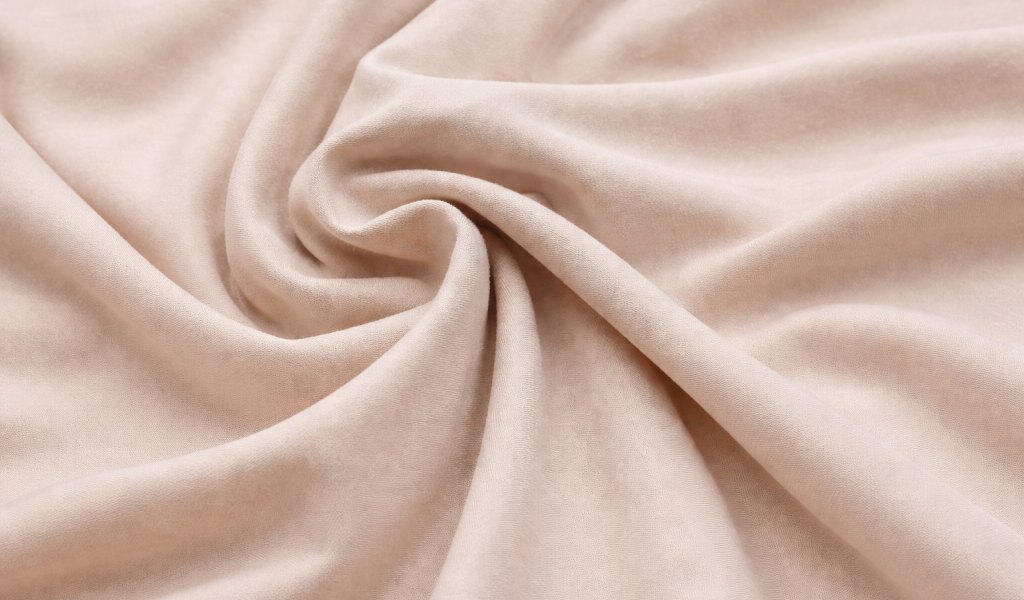
Modal is a semi-synthetic fabric derived from natural cellulose, widely praised for its softness, breathability, and eco-friendly properties. It is commonly used in garments that prioritize comfort and skin-friendliness. By understanding how modal is produced and what makes it unique, you can make better choices for loungewear, undergarments, and everyday clothing.
Composition and Production
Modal is made from cellulose extracted from beech trees. The cellulose undergoes a chemical process that transforms it into fibers suitable for spinning into fabric. This semi-synthetic production combines the natural benefits of plant-based fibers with enhanced durability and softness.
The resulting fabric is smooth, lightweight, and breathable, providing a luxurious feel that drapes naturally over the body. Its moisture absorption properties help maintain comfort in warm or humid conditions, making it an ideal choice for clothing that stays in contact with the skin.
Key Benefits of Modal
Modal offers several advantages that make it a preferred fabric for comfort-focused clothing:
- Softness and Comfort: The silky texture of modal makes it gentle on sensitive skin, reducing irritation and enhancing everyday wearability.
- Breathability and Moisture Absorption: Modal efficiently absorbs moisture and allows airflow, keeping the body cool and dry.
- Shrinkage Resistance and Color Retention: Modal maintains its shape and color after multiple washes, offering long-lasting wear without frequent maintenance.
- Eco-Friendly and Biodegradable: As a fiber derived from natural cellulose, modal is biodegradable and produced with lower environmental impact compared to fully synthetic fabrics.
These benefits make modal particularly suitable for clothing where comfort, softness, and skin-friendliness are top priorities.
Common Uses of Modal

Modal is versatile and widely used in everyday clothing:
- Loungewear, Sleepwear, and Casual Clothing: Its softness and smooth drape make it ideal for pajamas, lounge sets, and relaxed-fit garments.
- Undergarments and Activewear for Warm Conditions: Modal’s breathability and moisture absorption help maintain comfort in intimate apparel and light workout clothing.
- Everyday Breathable Clothing: Shirts, dresses, and casual tops made from modal provide natural comfort throughout the day.
This range of uses highlights modal’s adaptability in both comfort and casual fashion categories.
Environmental Considerations
Modal is considered more environmentally friendly than many conventional fabrics. Its production requires less water and fewer chemicals compared to cotton, and it is fully biodegradable, which reduces long-term waste. Choosing modal garments supports sustainable fashion practices while providing comfort and durability.
By selecting modal, consumers can enjoy clothing that is soft, breathable, and environmentally responsible without compromising on performance or care.
Polyamide vs Modal: Side-by-Side Comparison
Choosing the right fabric depends on your priorities, whether it is comfort, durability, moisture management, or environmental impact. Polyamide and modal each bring unique advantages to clothing, making them suitable for different purposes. Comparing their key properties helps you select fabrics that best match your lifestyle and wardrobe needs.
Comfort and Feel
Polyamide provides a smooth texture that feels sleek against the skin, yet it is less soft compared to modal. It offers a consistent, resilient surface, which is ideal for garments that require shape retention and stretch. Modal, in contrast, is silky, soft, and exceptionally gentle on the skin, making it ideal for loungewear, sleepwear, and garments for sensitive skin. Its breathable and lightweight nature enhances comfort in everyday wear and close-contact clothing.
Durability and Performance
Polyamide is highly durable, resistant to abrasion, and maintains elasticity even after repeated wear. These properties make it perfect for sportswear, compression garments, and performance-focused clothing. Modal provides moderate durability, but its strength is secondary to its softness. While modal resists shrinking and retains color well, it does not withstand friction or heavy use as effectively as polyamide. This difference highlights polyamide’s advantage in wear-resistant fabrics and elastic garments compared to modal’s comfort-centered design.
Moisture Management
When it comes to moisture, polyamide excels at wicking sweat away from the skin and drying quickly. This quick-drying property is particularly useful in activewear and outdoor clothing, where keeping dry improves comfort and performance. Modal absorbs moisture effectively and allows airflow, keeping the skin cool and comfortable in warm conditions. Its breathable structure ensures that garments feel soft and dry against the skin, making it suitable for casual clothing, undergarments, and loungewear that prioritize comfort over rapid evaporation.
Environmental Impact
Polyamide is petrochemical-based, giving it a higher environmental footprint due to resource use and production emissions. Recycled polyamide offers a more sustainable alternative but still relies on synthetic processing. Modal, on the other hand, is eco-friendly, biodegradable, and produced with a lower water and chemical footprint. Its sustainable production practices make modal a better choice for environmentally conscious consumers, while polyamide remains ideal for applications requiring long-lasting, high-performance fabrics.
Choosing the Right Fabric for Your Wardrobe
Selecting the appropriate fabric is essential for comfort, performance, and sustainability. By understanding the unique qualities of polyamide and modal, you can make informed choices for different types of clothing and lifestyle needs.
For Activewear and Performance Clothing
Polyamide is an excellent choice for sports, outdoor activities, and high-intensity workouts. Its durability ensures garments can withstand frequent movement and friction, while its elasticity allows freedom of motion during exercise. Additionally, polyamide’s moisture-wicking and quick-drying properties help maintain comfort by keeping sweat away from the skin and accelerating evaporation. These features make polyamide ideal for activewear, running gear, yoga clothing, and outdoor performance apparel.
For Comfort and Casual Wear
Modal is best suited for loungewear, pajamas, and clothing designed for sensitive skin. Its exceptional softness provides gentle contact with the skin, while its breathability and moisture absorption help maintain comfort in warm or humid conditions. Modal garments also resist shrinking and retain color after washing, which makes them easy to care for. For everyday casual clothing or intimate apparel where comfort is a priority, modal offers a combination of softness, durability, and easy maintenance.
For Sustainable Fashion Choices
For environmentally conscious choices, modal stands out as an eco-friendly fabric. It is biodegradable and produced using fewer chemicals and less water compared to many conventional textiles. Recycled polyamide provides an alternative for performance clothing, offering durability and elasticity while reducing the environmental impact of synthetic fibers. By selecting modal or recycled polyamide, consumers can support sustainable fashion practices without sacrificing comfort or functionality.
FAQs
Polyamide is ideal for performance clothing that requires durability, elasticity, and quick-drying properties. Modal is better suited for comfort-focused clothing, such as loungewear or sleepwear, where softness and breathability are priorities. Choosing between them depends on whether your primary need is long-lasting wear or gentle, comfortable fabrics.
Modal provides a silky, soft texture that feels gentle against the skin. Its breathability and lightweight nature make it comfortable for garments worn close to the body, including undergarments, loungewear, and casual clothing.
Polyamide dries quickly, which can help manage moisture during exercise, but it may trap heat in very warm conditions. Modal is more breathable and allows airflow, keeping the skin cooler and providing comfort during hot or humid weather.
Yes, modal is biodegradable and produced using fewer chemicals and less water than many synthetic fabrics. Its sustainable production reduces environmental impact, while polyamide relies on petrochemicals, giving it a higher footprint unless it is recycled.
Blending polyamide and modal combines the strengths of both fabrics. The result is a material that offers durability, elasticity, and moisture management from polyamide, along with the softness and breathability of modal. Such blends are versatile and suitable for performance wear, casual clothing, or garments that balance comfort and functionality.
Key Takeaways
Choosing the right fabric depends on your priorities, whether you value durability, comfort, or environmental responsibility. Polyamide provides strength, elasticity, and excellent performance, making it ideal for activewear, sports clothing, and outdoor garments that require long-lasting wear and flexibility. Modal offers exceptional softness, breathability, and gentle contact with the skin, making it perfect for casual wear, loungewear, and clothing designed for comfort in everyday situations.
For those focused on sustainability, selecting modal or recycled polyamide can reduce environmental impact while maintaining the benefits of each fabric. By understanding these differences, you can make informed decisions that balance performance, comfort, and eco-friendly clothing practices.