
Receiving a formal wedding invitation marks a special occasion that requires a thoughtful approach to your attire. This dress code demands a high level of sophistication without the rigid constraints of a traditional tuxedo event.
For women, formal wedding attire means wearing floor-length gowns, elegant midi dresses, or tailored jumpsuits in luxurious fabrics like silk or satin. Men should wear a well-tailored dark suit in navy, charcoal, or black, paired with a crisp dress shirt, a silk tie, and polished leather oxfords.
Navigating these style requirements ensures you honor the couple’s vision while feeling confident. This guide provides the expert insights needed to master every detail of your ensemble.
- Deciphering the Formal Wedding Dress Code Spectrum
- Elegant Wardrobe Essentials for Women
- The Modern Gentleman’s Formal Blueprint
- Strategic Accessorizing for a Polished Look
- Adapting Your Look for the Seasons
- Etiquette and Critical Style Errors to Avoid
- Formal Wedding Attire Selection Guide
- Enhanced FAQ: Expert Answers to Common Questions
- Perfecting Your Final Look
Deciphering the Formal Wedding Dress Code Spectrum
Understanding the nuances of a formal designation is the first step toward a successful look. This category often creates confusion because it sits between cocktail attire and black tie.
Defining the Formal Standard
A formal dress code is a step above cocktail dressing and requires a more polished, classic aesthetic. While cocktail attire allows for shorter hemlines and more experimental styles, formal weddings lean toward timeless silhouettes.
Formal versus Black Tie Optional
You may see the term black tie optional on an invitation. This specific label gives guests the choice between a tuxedo and a dark suit. For a standard formal wedding, a tuxedo is typically not required, but a full suit is nonnegotiable.
The Role of Venue and Timing
The location and time of the ceremony provide essential clues for your wardrobe. Evening weddings at upscale ballrooms generally call for more conservative and darker tones. Daytime ceremonies at garden venues may permit lighter fabrics and slightly more color.
Elegant Wardrobe Essentials for Women
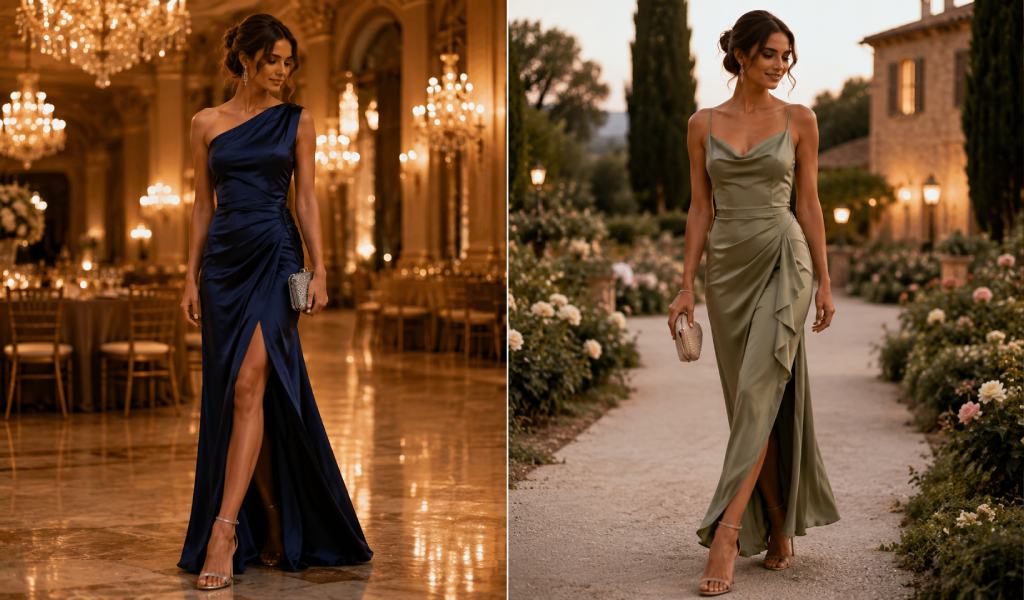
Women have several sophisticated options when dressing for a formal event. The goal is to choose a piece that feels elevated, respectful, and appropriately celebratory.
The Timeless Appeal of Gowns and Midi Dresses
- Floor-length maxi gowns: These remain the gold standard for evening formal weddings.
- Structured midi dresses: These are excellent for daytime weddings or modern venues.
- A-line silhouettes: This classic cut offers a flattering and modest profile suitable for church ceremonies.
- High-low hemlines: These provide a modern twist while maintaining the necessary length for formality.
Fabric Selection and Texture
The quality of the fabric often determines if a dress is truly formal. Avoid casual materials like cotton jersey or denim. Instead, prioritize luxurious options such as silk, chiffon, velvet, or crepe.
The Rise of the Polished Jumpsuit
A well-tailored jumpsuit is a stylish alternative to a traditional dress. Look for designs featuring wide legs and premium finishes. Ensure the fit is impeccable to maintain a professional and upscale appearance.
The Modern Gentleman’s Formal Blueprint
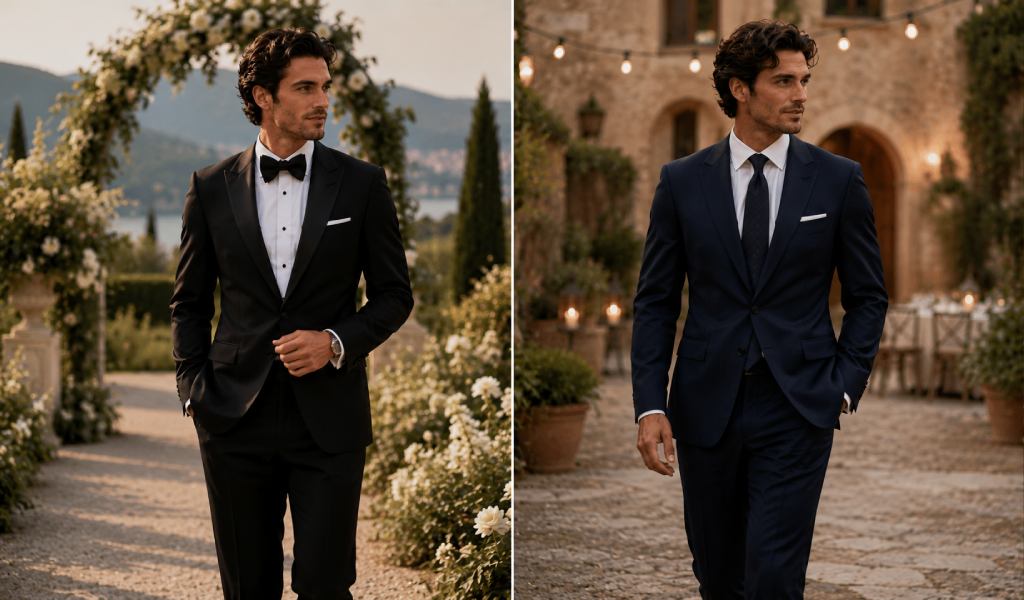
For men, the formal dress code focuses on sharp tailoring and traditional color palettes. A cohesive look starts with the suit and ends with the finest details of coordination.
Selecting the Perfect Dark Suit
- Navy Blue: This is a versatile and universally flattering option for any season.
- Charcoal Grey: This shade offers a sophisticated alternative to black and looks exceptional in evening light.
- Black: A black suit provides the highest level of formality outside of a tuxedo.
- Fit: Ensure your suit is tailored to your body: the jacket should not pull, and trousers should have a slight break.
Shirt and Neckwear Coordination
A crisp white dress shirt is the most formal choice for a dark suit. You may also opt for subtle hues like light blue or soft pink if the wedding is less traditional.,
The Importance of the Silk Tie
Neckwear is a focal point that demonstrates your respect for the event. A silk necktie in a solid color or a subtle pattern is expected. Avoid loud, distracting prints or overly casual knit ties.
Strategic Accessorizing for a Polished Look
Accessories are the finishing touches that elevate a standard outfit into a formal ensemble. They should be understated yet high-quality.,
Essential Footwear Standards
Women should opt for closed-toe heels, sleek pumps, or formal dress sandals. Men must wear polished leather dress shoes: oxfords or derbies are the preferred styles. Loafers are generally considered too casual for this dress code.
Jewelry and Metal Coordination
- Watches: A slim dress watch is appropriate, while bulky sports watches should be avoided.
- Cufflinks: These are essential for French cuff shirts and add a touch of class.
- Metals: For a cohesive look, match the metal of your watch, cufflinks, and tie bar.
- Jewelry: Women should choose elegant pieces that complement rather than overwhelm the outfit.
Pocket Squares and Tie Bars
A pocket square adds a layer of sophistication and a personal touch. Coordinate the color with your tie without matching it exactly. A simple tie bar between the third and fourth buttons keeps your look tidy throughout the celebration.
Adapting Your Look for the Seasons
Environmental factors should influence your choice of materials and colors. This ensures comfort without sacrificing your formal standing.
Summer and Spring Considerations
Warm weather requires breathable fabrics to keep you cool during outdoor ceremonies. Women can choose lighter fabrics like chiffon or silk blends in pastel tones. Men should look for lighter-weight wool or linen-blend suits in shades like mid-blue or dove grey.
Autumn and Winter Requirements
Colder months allow for richer textures and deeper color palettes. Consider jewel tones like emerald green, burgundy, or navy. Women can incorporate elegant shawls or long-sleeved dresses, while men can layer with a smart overcoat.
Etiquette and Critical Style Errors to Avoid
Following the formal dress code is a sign of respect for the couple. Certain fashion choices are universally regarded as inappropriate for these occasions.
Forbidden Colors and Patterns
- White and Ivory: These shades are strictly reserved for the bride.
- Neon Colors: Fluorescent shades are too distracting and lack the required sophistication.
- Large Prints: Overly bold or tropical prints can appear too casual.
- Cream or Off-White: Even for men, light-colored suits can be risky if they appear too close to white.
Casual Elements to Leave at Home
Never wear denim, flannels, or t-shirts to a formal wedding. Footwear like sneakers, boat shoes, or flip-flops will make you appear underdressed. If you are unsure about an item, it is always better to choose the more formal option.
Formal Wedding Attire Selection Guide
| Item | What to Choose | What to Avoid |
|---|---|---|
| Women’s Dresses | Floor-length, Maxi, or Elegant Midi | Mini skirts or casual sundresses |
| Suit Colors | Navy, Charcoal, or Black | White, Cream, or Neon shades |
| Fabrics | Silk, Satin, Velvet, or Fine Wool | Denim, Flannel, or Cotton Jersey |
| Footwear | Leather Oxfords, Pumps, or Dress Sandals | Sneakers, Loafers, or Work Boots |
| Neckwear | Silk Ties or Bowties | No tie or casual knit ties |
| Accessories | Cufflinks, Pocket Squares, Clutches | Sports watches or oversized bags |
Enhanced FAQ: Expert Answers to Common Questions
Is a tuxedo required for a formal wedding?
A tuxedo is not mandatory unless the invitation specifies black tie. However, for a formal dress code, a dark suit is the minimum requirement to meet the expected standard.
Can women wear black to a wedding?
Yes, black is a sophisticated and widely accepted color for formal weddings. It is a timeless choice that works well for evening events and is easy to accessorize.
What is the difference between a suit and a tuxedo?
A tuxedo is distinguished by satin details on the lapels and trousers, whereas a suit is made entirely of the same fabric. Tuxedos also require a specific formal shirt and usually a bowtie.
Are dressy flats acceptable for women?
While heels are traditional, embellished formal flats are an excellent choice for comfort. Ensure they are made of dressy materials like metallic leather or satin to maintain the formal aesthetic.
How should a formal dress shirt fit?
The collar should allow one to two fingers of space when buttoned. The sleeves should extend about half an inch past your suit jacket when your arms are at your sides.
Perfecting Your Final Look
Mastering the formal wedding dress code is a testament to your attention to detail and respect for the occasion. By focusing on high-quality fabrics, classic silhouettes, and polished accessories, you create a look that is both stylish and timeless.
Always plan your outfit well in advance to allow time for professional tailoring. Trying on your complete ensemble a few weeks before the event ensures that everything fits perfectly and no adjustments are needed.
When you arrive at the wedding, your confidence will be your best accessory. Knowing you have met the formal requirements allows you to focus on the most important part of the day: celebrating the happy couple.