Cultural Clothing

Azerbaijani Traditional Clothing

Azerbaijani Traditional Clothing: A Guide to Milli Geyim

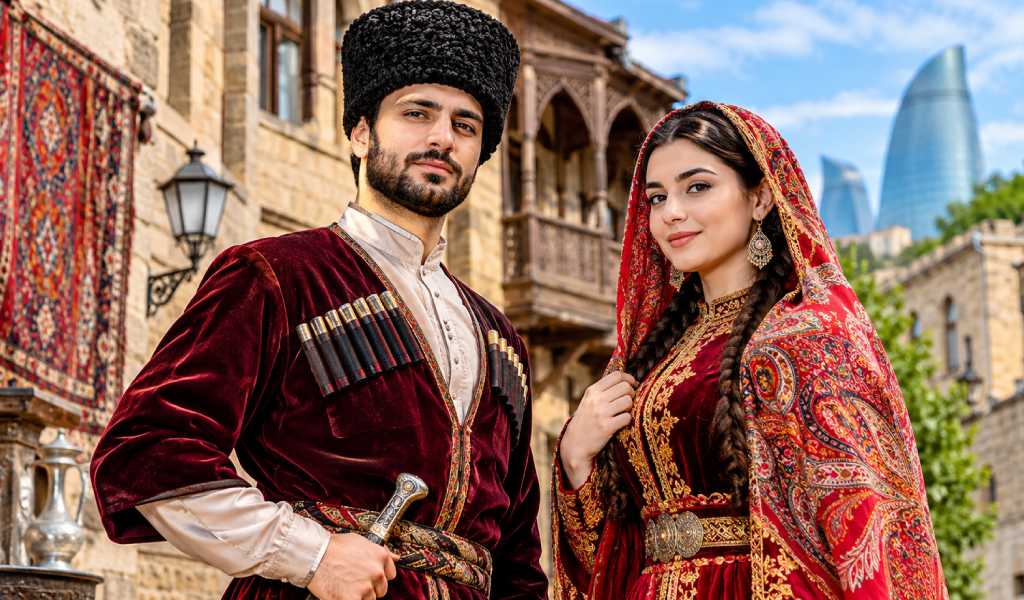
Azerbaijani traditional clothing, known as Milli Geyim, reflects the country’s history, regional identities, craftsmanship, and cultural traditions. Its distinctive garments include fitted women’s jackets called Arxalıq, decorative velvet coats known as ÇəpkÉ™n, men’s long outerwear called Çuxa, and the traditional silk headscarf KÉ™laÄŸayı. Historically made from silk, velvet, wool, and richly decorated fabrics, these garments

Azerbaijani Traditional Clothing: A Guide to Milli Geyim Read More »
Traditional Clothing in Bangladesh

Traditional Clothing in Bangladesh: A Complete Guide

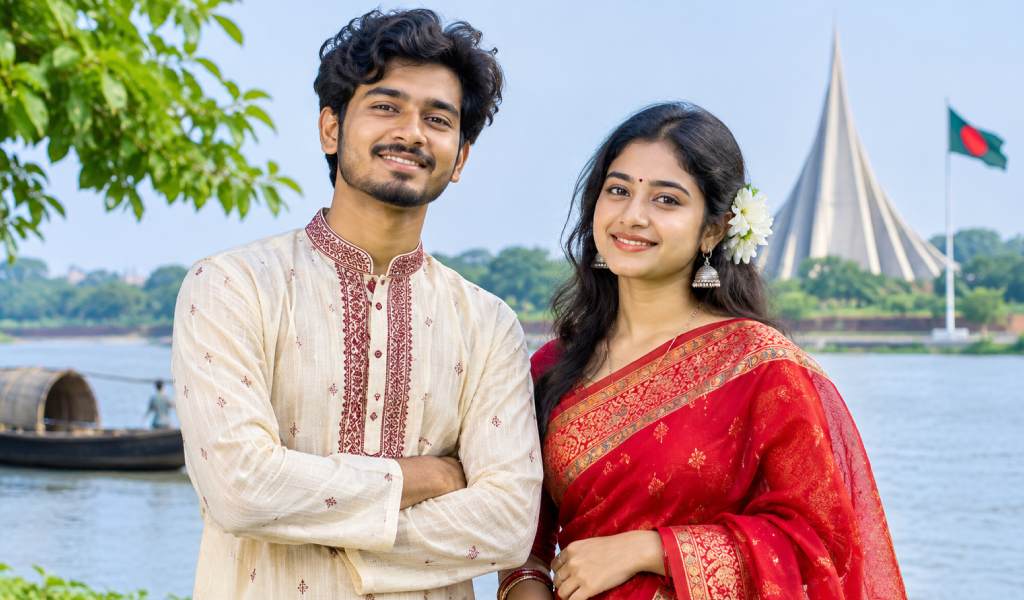
Traditional clothing in Bangladesh reflects the country’s Bengali heritage, regional craftsmanship, religious customs, and diverse indigenous cultures. The most recognizable garments include the saree and salwar kameez for women and the panjabi, pajama, and lungi for men. Growing up in Naogaon, I often saw sarees, salwar kameez, and panjabis worn in everyday life, especially during

Traditional Clothing in Bangladesh: A Complete Guide Read More »

Australian Traditional Clothing: Indigenous Heritage, Bushwear, and Modern Styles

Traditional Clothing in Austria: Dirndl, Tracht & More

Traditional clothing in Austria, collectively known as Tracht, reflects the country’s Alpine heritage, regional craftsmanship, and changing fashion traditions. The best-known garments are the women’s Dirndl and men’s Lederhosen, but Austrian traditional dress includes much more, from elaborate regional costumes and embroidered jackets to wool coats and decorative headwear. Each Austrian region has its own

Traditional Clothing in Austria: Dirndl, Tracht & More Read More »

Australian Traditional Clothing: Indigenous Heritage, Bushwear, and Modern Styles

Traditional Australian Clothing: First Nations and Bushwear

Traditional Australian clothing reflects two distinct parts of the country’s history: the diverse dress traditions of Aboriginal and Torres Strait Islander peoples and the practical workwear developed by European settlers in the Australian bush. There is no single national costume that represents every Australian. Instead, traditional garments range from possum-skin cloaks and woven ceremonial adornments

Traditional Australian Clothing: First Nations and Bushwear Read More »

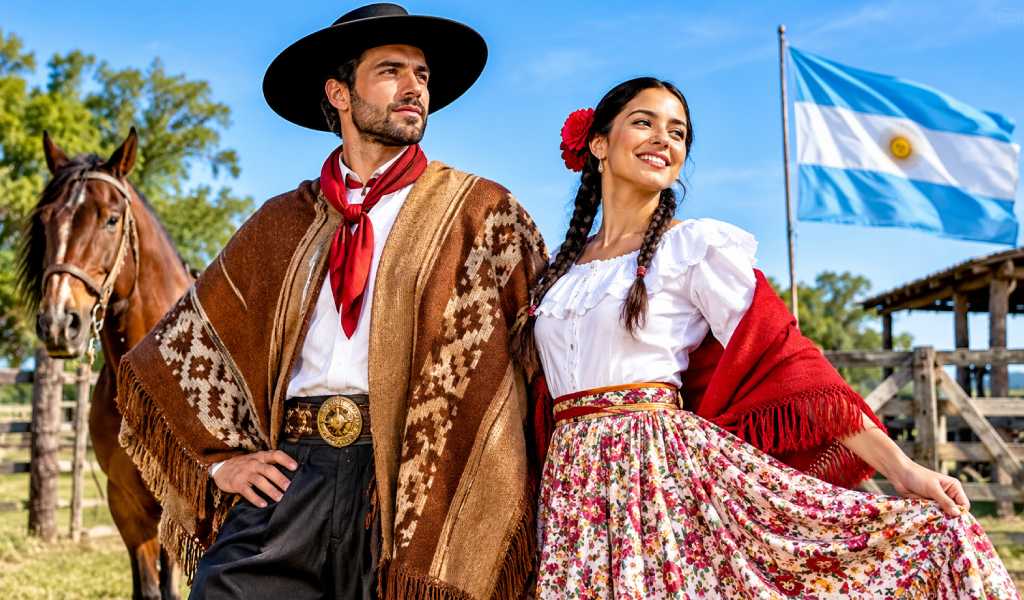
Traditional Clothing in Argentina

Traditional Clothing in Argentina: Gaucho and Paisana Styles

Traditional clothing in Argentina reflects the country’s Indigenous heritage, Spanish colonial influence, and rural way of life. Its best-known styles are the gaucho’s practical riding clothes, called pilcha gaucha, and the countryside dress traditionally associated with the paisana. However, Argentine traditional dress is not limited to one national costume. Clothing varies across the Pampas, the

Traditional Clothing in Argentina: Gaucho and Paisana Styles Read More »

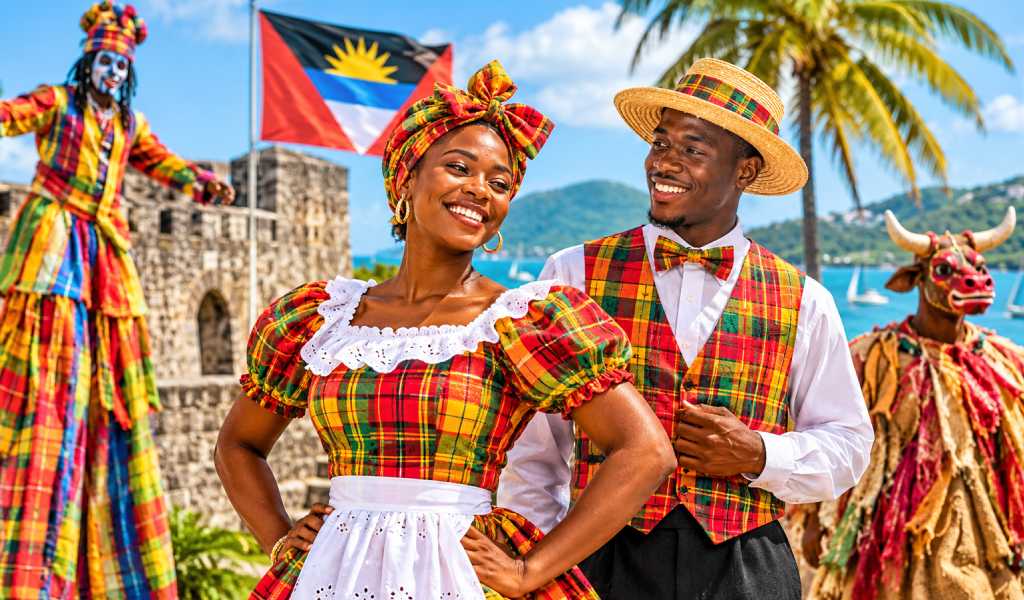
Antigua and Barbuda Traditional Clothing: National Dress & History

Traditional clothing in Antigua and Barbuda reflects the islands’ African heritage, colonial history, and cultural identity. The country’s best-known traditional attire is its official national dress, featuring a distinctive red, gold, and green madras plaid. Designed by Antiguan artist Heather Doram, the women’s outfit includes a gathered madras dress, a starched white pinafore apron, and

Antigua and Barbuda Traditional Clothing: National Dress & History Read More »

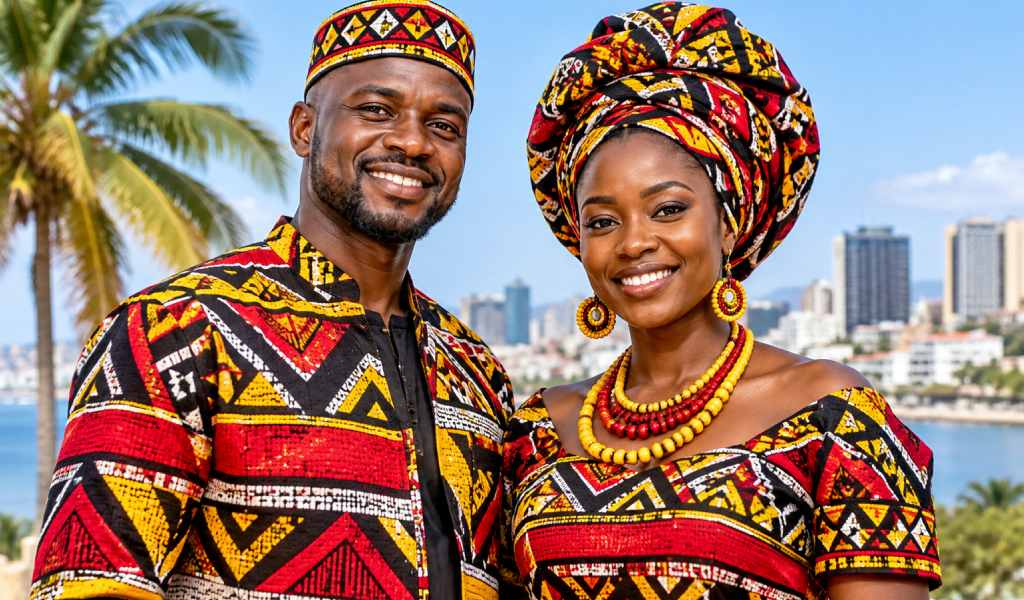
Angolan Traditional Clothing

Angolan Traditional Clothing: A Guide to Culture and Style

Angolan traditional clothing reflects the country’s diverse ethnic communities, regional histories, and cultural identity. Rather than having one national costume, Angola has several distinctive clothing traditions, from the layered cotton wraps worn by women in coastal Luanda to the elaborate hairstyles, leather ornaments, and beadwork of southern communities. One of the country’s best-known textiles is

Angolan Traditional Clothing: A Guide to Culture and Style Read More »

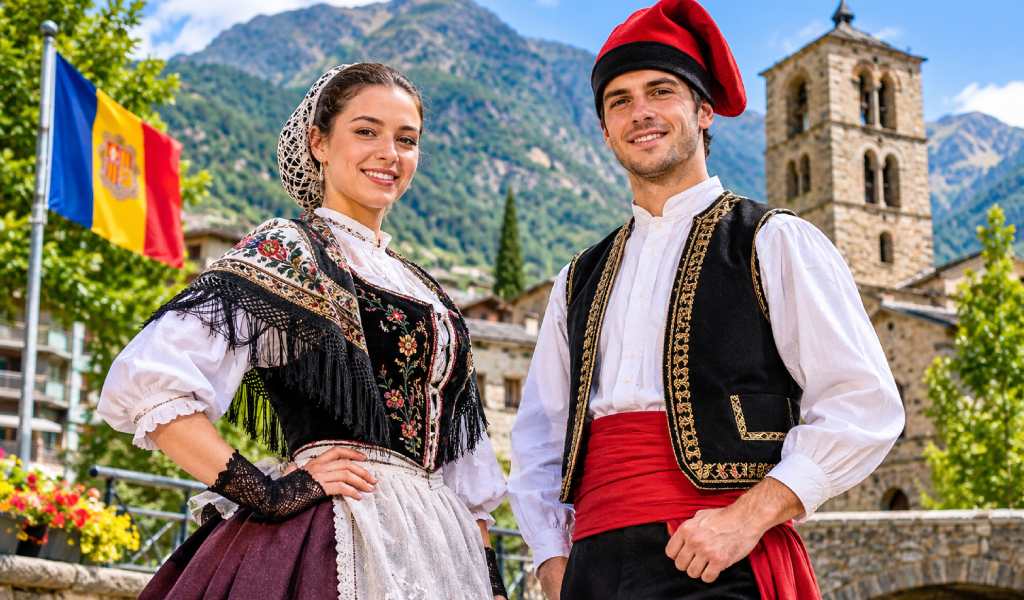
Andorran Traditional Clothing

Andorran Traditional Clothing: History, Styles & Heritage

Andorran traditional clothing reflects the mountain lifestyle, Catalan heritage, and social history of the Pyrenees. Known as vestit tradicional andorrà, this historic dress shares many characteristics with traditional clothing from neighboring Catalan regions. Men’s outfits traditionally featured wool caps, waist sashes, short trousers, and sturdy footwear, while women’s clothing included long skirts, fitted bodices, aprons,

Andorran Traditional Clothing: History, Styles & Heritage Read More »

Traditional Clothing in Algeria

Algerian Traditional Clothing: Regional Styles & History

Algerian traditional clothing reflects centuries of Amazigh, Arab, Ottoman, and Andalusian cultural influences. From the richly embroidered velvet Karakou of Algiers to the ceremonial Chedda of Tlemcen and the colorful Kabyle dress, each regional outfit represents a distinct history of craftsmanship and identity. Traditional men’s garments, including the Burnous and Qashabiya, also demonstrate how clothing

Algerian Traditional Clothing: Regional Styles & History Read More »

Traditional Albanian Clothing

Traditional Albanian Clothing: History, Styles & Heritage

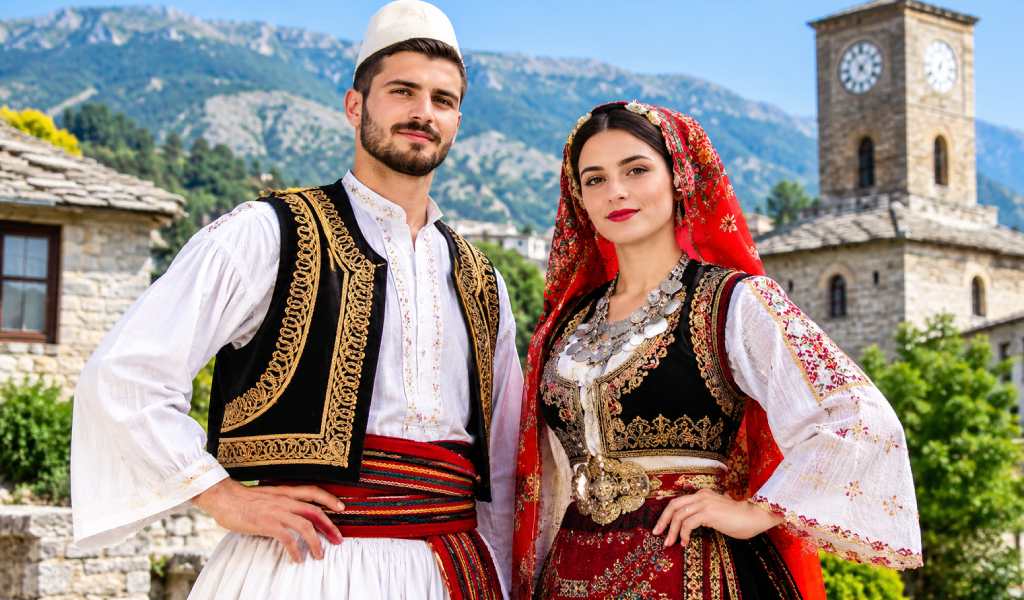
Traditional Albanian clothing reflects centuries of regional history, craftsmanship, and cultural identity. Known as veshjet tradicionale shqiptare, these folk garments vary across northern highlands, central Albania, and southern lowlands. Famous pieces include the bell-shaped women’s xhubleta, the white men’s fustanella, the woolen plis cap, embroidered xhamadan vest, and traditional leather opinga shoes. Beyond their appearance,

Traditional Albanian Clothing: History, Styles & Heritage Read More »