
Australia’s traditional clothing reflects a rich cultural history shaped by two distinct influences: Indigenous heritage and European settler adaptations. Indigenous garments, including ceremonial cloaks, bark skirts, and body adornments, convey identity, spiritual connections, and community traditions. European settlers developed practical bushwear such as Akubra hats, Driza-Bone coats, and leather boots to meet the demands of the outback.
Today, these historical styles continue to influence contemporary fashion. Modern Indigenous designs appear on everyday clothing, while bushwear inspires casual and rural attire. Both traditions are recognized as cultural attire that bridges history with present-day fashion trends.
Understanding Australian traditional clothing provides insight into the country’s cultural identity and evolving fashion landscape.
Indigenous Traditional Clothing in Australia
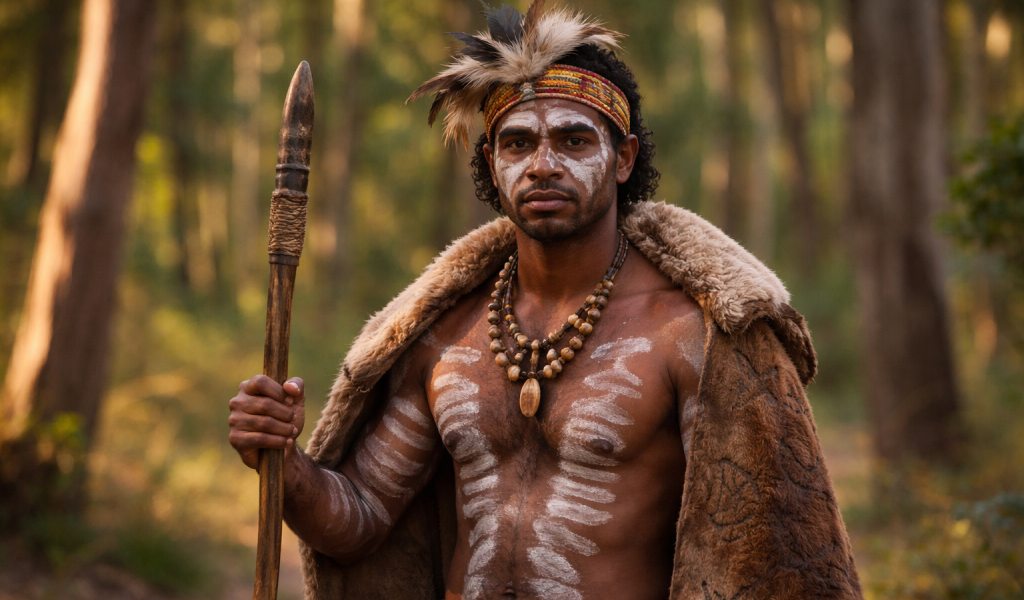
Indigenous traditional clothing in Australia reflects the diverse cultures and climates of Aboriginal and Torres Strait Islander peoples. Clothing was not only practical but also carried cultural and spiritual significance. Across regions, garments and adornments were carefully adapted to the environment and ceremonial needs.
Animal Skin Cloaks and Regional Garments
In southern regions of Australia, where winters are colder, men and women often wore cloaks made from kangaroo or possum skins. These cloaks, such as the Noongar booka, provided warmth and protection while also featuring engraved designs that conveyed the wearer’s identity and connection to their Country. In tropical areas, minimal clothing was worn due to the heat, with garments designed to allow mobility and comfort while maintaining cultural meaning.
The variety of clothing across regions illustrates how Aboriginal communities adapted to their environment while preserving traditions. These garments are a reflection of both daily life and ceremonial practice, showing a close link between culture and survival.
Ceremonial Clothing and Adornments
Ceremonial clothing continues to hold cultural importance today. Men often wear hair-string belts, emu feather tassels, and other items crafted from natural materials, while women in northern regions wear skirts or aprons made from bark strips or bush string. These garments are typically worn during dances, rituals, or community gatherings, serving as a marker of identity and social status.
The creation of ceremonial attire involves traditional techniques passed down through generations. Items are often handmade, with patterns and shapes that tell stories or symbolize aspects of the natural world. Wearing these garments connects the individual to their heritage and maintains the continuity of cultural knowledge.
Body Art and Clothing Integration
For many Indigenous communities, clothing is inseparable from body art. Painting the body with ochre and clay was a common practice to complement ceremonial attire and indicate social status, spiritual roles, or participation in sacred dances. Each design had specific meaning, with colors, patterns, and placement carefully chosen for cultural significance.
Body art was not decorative alone; it served as a visual language that communicated identity, belonging, and respect for ancestral traditions. The combination of painted designs and traditional garments created a complete form of cultural expression that extended beyond everyday wear.
Historical & Bushwear Clothing
Historical Australian clothing, often referred to as bushwear, developed during the early European settlement. Settlers adapted British and European garments to the challenging conditions of the outback. These clothes were designed for practicality, durability, and protection from the harsh climate, while gradually forming a distinctive style associated with rural life.
Men’s Traditional Bushwear
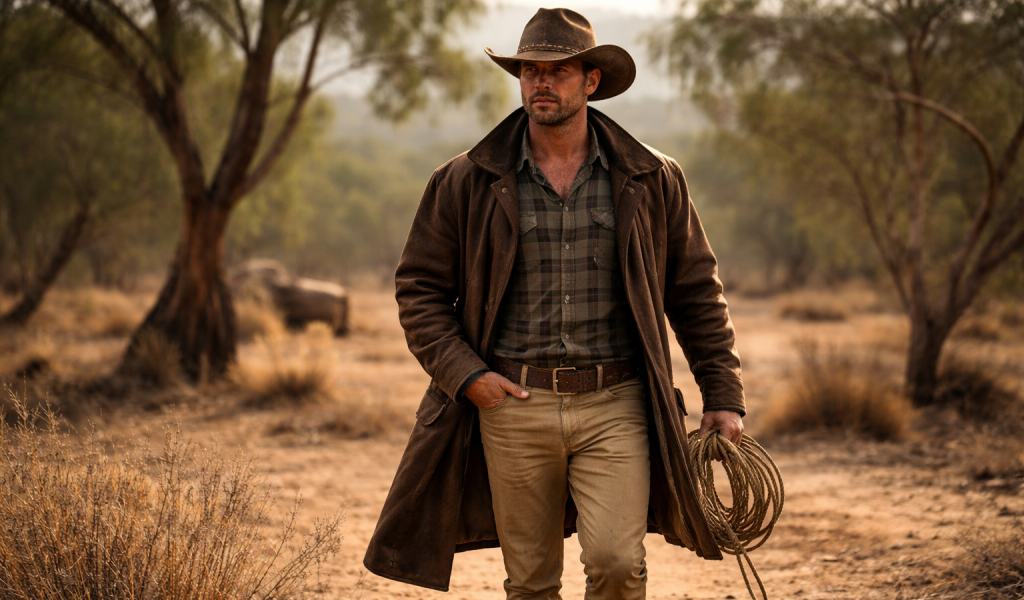
Men in rural Australia relied on functional clothing that could withstand long days outdoors. Wide-brimmed Akubra hats provided essential sun protection during hot summers and harsh sunlight, while Driza-Bone coats offered a waterproof layer for rainy conditions. Moleskin trousers were favored for their durability and resistance to wear in rugged terrain. Footwear such as leather pull-on boots remained essential, offering both protection and comfort during extended periods of outdoor work.
This clothing not only served practical purposes but also became symbolic of Australian identity, representing resilience and adaptation to the outback environment. Everyday workwear evolved into recognizable traditional attire, blending utility with cultural significance.
Women’s Traditional Bushwear
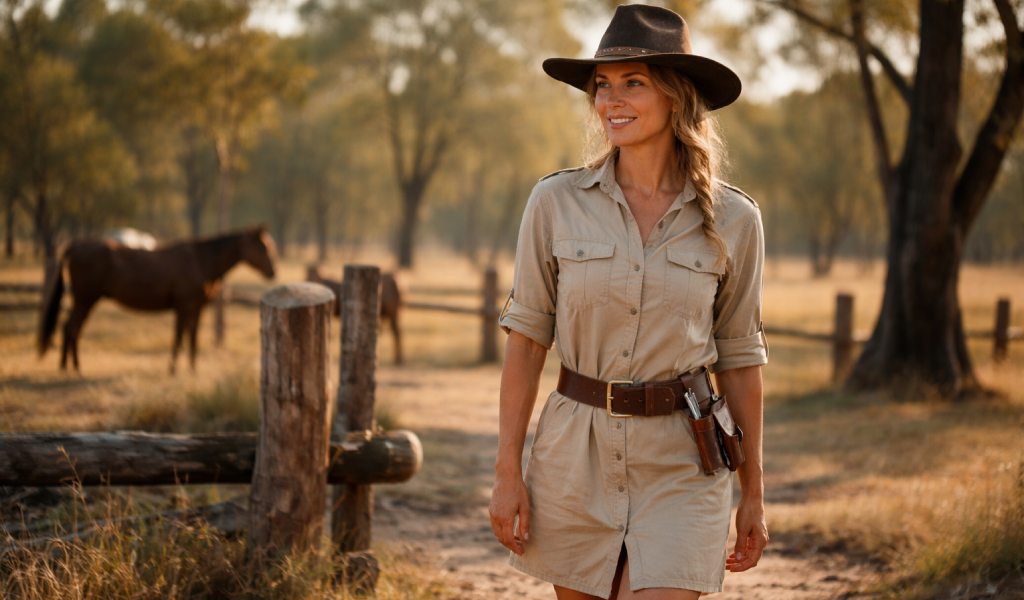
Women’s bushwear was designed to balance practicality with mobility. Cotton or linen bush dresses were common, providing comfort and ease of movement for farm and household tasks, often featuring simple patterns inspired by local flora. Swagman-style jackets added warmth and durability, especially in cooler regions or during evening outdoor work. For sun protection, wide-brimmed hats and sturdy leather belts were commonly used, emphasizing the need for functional accessories in rural life.
These garments reflect the essential role of women in both domestic and outdoor work, highlighting how traditional clothing adapted to support daily life in the Australian countryside. Over time, practical attire became part of a recognizable cultural style, valued for its resilience and connection to rural heritage.
Modern Adaptations and Cultural Trends (2026)
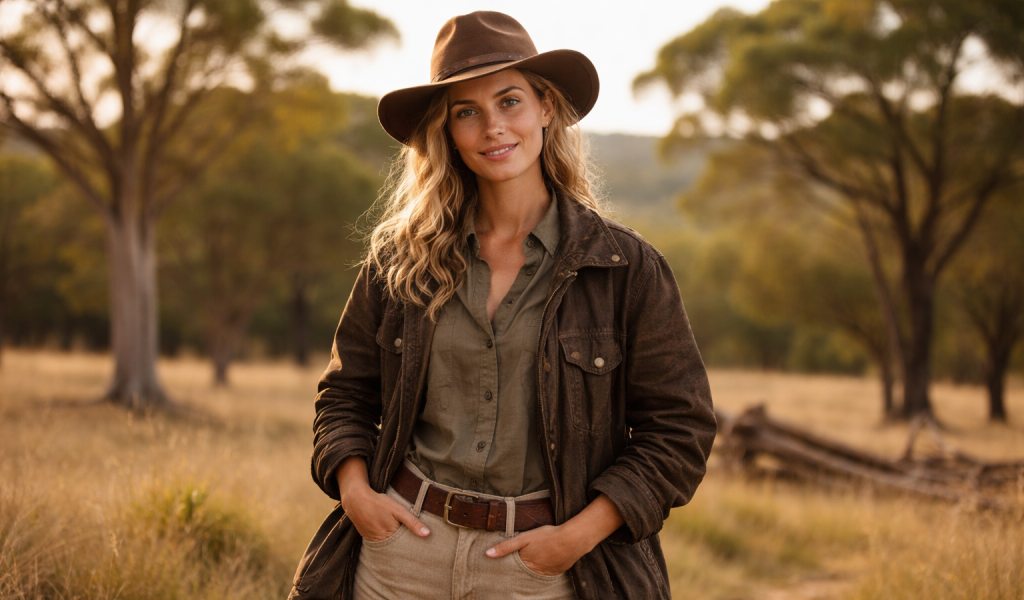
In contemporary Australia, traditional clothing has evolved to reflect both heritage and modern fashion trends. Designers and communities are blending historical styles with contemporary needs, resulting in garments that honor the past while remaining relevant today. This evolution highlights how culture and practicality continue to influence Australian clothing.
Indigenous Designs in Contemporary Fashion
Modern Indigenous fashion incorporates authentic Aboriginal and Torres Strait Islander art into everyday garments. Polos, scarves, and dresses often feature traditional motifs and patterns, creating clothing that celebrates culture while remaining suitable for contemporary wear. These garments allow people to engage with Indigenous heritage respectfully, supporting cultural awareness and appreciation.
Artists and designers carefully adapt traditional symbols, colors, and patterns into fabrics, ensuring the work reflects authentic cultural meaning. Wearing these items communicates respect for Indigenous traditions and contributes to the visibility of Aboriginal and Torres Strait Islander communities in fashion and society.
Larrikin and Practical Rural Styles
Larrikin style is a modern interpretation of traditional bushwear that emphasizes practicality and a casual, rebellious attitude. Typical outfits include a dark hat, durable jacket, and moleskin-style trousers. This style is rooted in rural life, where clothing needed to withstand outdoor work and unpredictable weather, but it has also become a symbol of self-reliance and informal Australian identity.
Modern bushwear continues to be popular in both urban and rural settings, combining practicality with cultural expression. The clothing reflects a balance between comfort, durability, and heritage, showing how historical designs can adapt to contemporary lifestyles without losing their traditional significance.
How Australian Traditional Clothing Reflects Cultural Identity
Traditional clothing in Australia serves as more than just garments; it is a visible expression of culture, heritage, and identity. Both Indigenous attire and historical bushwear play a role in preserving traditions while shaping contemporary Australian fashion.
Preserving Heritage Through Clothing
Clothing has long been a way for communities to maintain and share cultural knowledge. Indigenous garments and ceremonial adornments carry stories, symbols, and spiritual meanings that connect wearers to their ancestors and Country. By wearing traditional attire during ceremonies, festivals, or daily life, Australians continue to honor these practices while passing knowledge to future generations.
Historical bushwear also reflects cultural identity by illustrating how settlers adapted to the outback. Practical garments, such as Akubra hats, Driza-Bone coats, and moleskin trousers, reveal the resilience and ingenuity required to live in rural Australia. These styles have become symbolic, representing the pioneering spirit and connection to the land.
Influence on Festivals, Ceremonies, and Modern Fashion
Traditional clothing influences contemporary cultural events and modern fashion trends. Indigenous designs now appear in everyday apparel like dresses, scarves, and polos, integrating cultural art into accessible clothing. Festivals and ceremonies often highlight traditional garments, allowing communities to showcase their heritage while educating the wider public.
Additionally, rural and larrikin styles continue to inspire casual fashion, merging practicality with historical significance. The combination of Indigenous symbolism, ceremonial attire, and bushwear forms a unique cultural fashion narrative, reflecting the diversity and adaptability of Australian identity.
This connection between clothing and culture emphasizes the importance of attire as a tool for storytelling, community cohesion, and respect for traditions, making it a meaningful element of Australian heritage.
FAQ Section
What is considered traditional Australian clothing?
Traditional Australian clothing includes garments that reflect both Indigenous heritage and European settler influence. Indigenous attire, such as ceremonial cloaks, bark skirts, and body adornments, represents cultural identity and spiritual connection. Bushwear, including Akubra hats, Driza-Bone coats, moleskin trousers, and leather boots, reflects the practical needs of settlers adapting to the Australian outback. Together, these garments form the core examples of traditional attire in Australia.
Do Australians still wear traditional clothing today?
Yes, traditional clothing remains relevant in contemporary Australia. Indigenous designs have been adapted into modern fashion, appearing on dresses, scarves, and polos that incorporate authentic Aboriginal and Torres Strait Islander artwork. Bushwear styles continue to influence casual and rural clothing, particularly in outdoor work or cultural events. Ceremonial occasions, festivals, and community gatherings also provide opportunities for wearing traditional garments, ensuring these practices remain part of Australian life.
How does climate influence traditional Australian clothing?
Climate has always shaped traditional clothing in Australia. In tropical regions, minimal garments were worn to allow comfort and mobility, while in colder southern areas, cloaks and layered clothing provided protection against the elements. Similarly, European settlers developed bushwear that balanced warmth, durability, and sun protection. Modern interpretations continue to consider climate, with lightweight fabrics for summer wear and robust materials for colder or wetter conditions.
What are the most iconic Australian traditional garments?
Some of the most recognized traditional garments include the Akubra hat, designed for sun protection; Driza-Bone coats, which provide waterproof durability; R.M. Williams leather boots, valued for practicality and style; and Indigenous ceremonial cloaks, which carry deep cultural significance. These items remain symbolic of Australian heritage, bridging history with contemporary fashion and cultural identity.
Final Thoughts
Australian traditional clothing reflects a dual heritage, combining the rich cultural practices of Indigenous communities with the practical bushwear developed by European settlers. Both styles tell the story of adaptation, survival, and identity across the continent.
These garments remain culturally relevant today, influencing modern fashion and ceremonial attire. Indigenous designs are celebrated in contemporary clothing, while bushwear continues to inspire casual and rural styles. Together, they provide insight into the country’s history and evolving fashion landscape.
Exploring authentic Indigenous clothing and traditional bushwear allows individuals to connect with Australian heritage, appreciate cultural artistry, and support the preservation of meaningful traditions in today’s society.