
Traditional Austrian clothing reflects the country’s Alpine heritage and strong regional identity. The collective term for these outfits is Tracht, which includes the Dirndl for women and Lederhosen for men. These garments remain important symbols of Austrian culture because they connect modern life with history and community traditions.
Tracht developed from practical rural clothing, designed for farming, mountain work, and cold weather. Over time, these functional outfits became more decorative and ceremonial, especially for celebrations and social events.
Today, people wear traditional clothing in Austria at festivals, weddings, and cultural gatherings, where it highlights local pride and shared heritage.
- What Is Traditional Austrian Clothing?
- Traditional Clothing for Women in Austria: The Dirndl
- Traditional Clothing for Men in Austria: Lederhosen
- Regional Variations in Austrian Traditional Clothing
- Traditional Accessories in Austrian Folk Dress
- When and Where Traditional Austrian Clothing Is Worn Today
- Traditional Austrian Clothing vs Modern Austrian Fashion
- Why Traditional Austrian Clothing Still Matters
- FAQs About Traditional Austrian Clothing
- Conclusion
What Is Traditional Austrian Clothing?
Traditional Austrian clothing refers to the regional folk costumes that people wear for cultural events and special occasions. The collective term for these outfits is Tracht, which includes the Dirndl for women and Lederhosen for men. However, Tracht is more than a single style. It represents a wide range of regional clothing traditions that developed across Austria’s diverse landscapes and communities.
The Concept of Tracht
Tracht is a general term used for traditional clothing in German-speaking areas, and in Austria it covers a variety of local costumes. Each region developed its own version of Tracht, based on local customs, materials, and cultural history. As a result, Austrian folk costumes can differ significantly in design, color, and decorative details depending on the area.
How Geography, Climate, and Rural Life Shaped Traditional Dress
Austrian traditional clothing developed from practical needs and everyday life. Austria’s Alpine geography and cooler climate required durable, warm garments. People working in farming and mountain regions needed clothing that could withstand physical labor and changing weather. Therefore, materials such as wool and leather became common, and designs focused on comfort, warmth, and functionality.
Moreover, rural life encouraged local craftsmanship and regional styles. Communities often created their own patterns and decorations, and these choices became symbols of local identity. Over time, these practical outfits evolved into ceremonial dress, but they still reflect the landscape and lifestyle of Austria’s rural regions.
Traditional Clothing for Women in Austria: The Dirndl
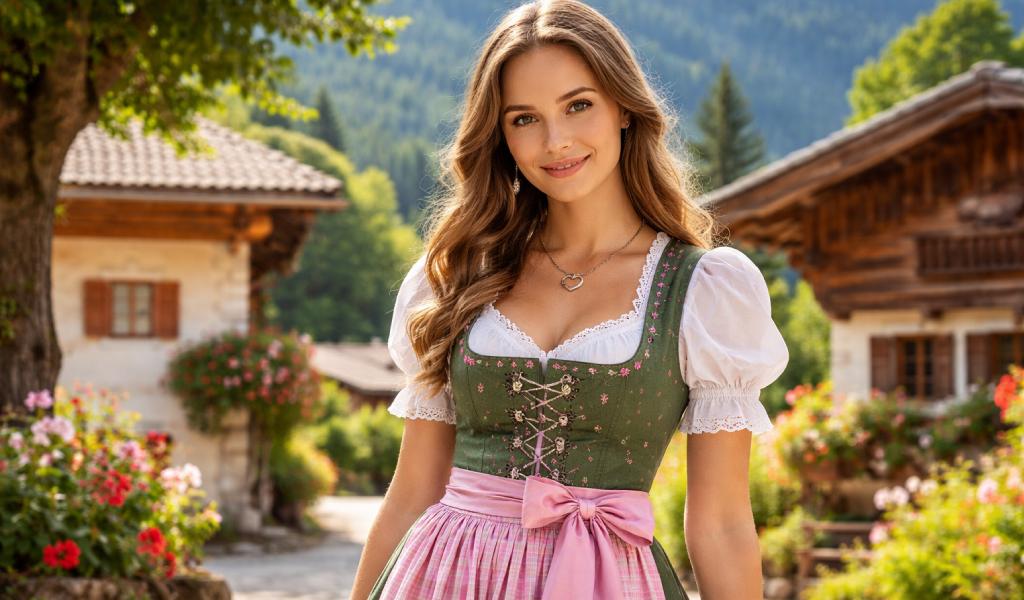
The Dirndl is the most recognizable form of traditional Austrian women’s clothing. It represents a blend of practicality, regional identity, and social tradition that has developed over centuries. Although styles vary by region, the basic structure remains consistent and continues to play an important role in Austria’s cultural life today. The Dirndl is not simply a costume, it is a meaningful expression of heritage that connects modern wearers to rural Alpine history.
Overview of the Dirndl and Its Role in Austrian Women’s Fashion
The Dirndl originated as everyday clothing for working women in Alpine communities. Over time, it became associated with local customs, craftsmanship, and community events. Today, it serves both cultural and social purposes. Women wear Dirndls to honor tradition, participate in festivals, and mark important life events. Modern designs respect traditional construction while adapting to contemporary tastes, making the Dirndl relevant across generations.
Main Components of a Dirndl
A Dirndl dress is defined by four key elements. Each part has a functional role and contributes to the garment’s overall structure and symbolism.
Bodice and Neckline
The bodice is fitted and provides shape and support. Traditionally, it was designed for durability and ease of movement during work. Modern bodices may include structured seams or lacing while still reflecting regional styles. Necklines vary from modest to more open designs, often influenced by local customs and the formality of the occasion.
Traditional Blouse Styles
The blouse is worn under the bodice and is usually white or light-colored. Common features include short sleeves, puffed shoulders, or subtle lace detailing. Historically, blouses were made from breathable fabrics suitable for physical labor. Today, they add contrast and balance to the outfit while maintaining comfort.
Full Skirt and Apron
The full skirt allows freedom of movement and was practical for daily activities in rural settings. The apron, worn over the skirt, originally served a protective purpose. In modern wear, the apron has become a decorative and symbolic element, often chosen to complement the overall color scheme of the Dirndl.
History and Origins of the Dirndl
The Dirndl developed in the Alpine regions of Austria during the 19th century. It began as functional clothing worn by peasant women, designed to suit agricultural work and mountain life. As regional pride grew, these garments became more refined and were adopted for celebrations and formal gatherings. By the late 1800s, the Dirndl had transitioned from workwear to festive attire, while still preserving its rural roots and handcrafted character.
When Austrian Women Wear Dirndls Today
In modern Austria, women wear Dirndls primarily for special occasions rather than daily use. These include weddings, folk festivals, religious holidays, and national celebrations. The Dirndl is also commonly worn during seasonal events and cultural gatherings that highlight regional traditions. While styles may change, the purpose remains the same: to honor heritage, express identity, and participate in shared cultural experiences.
Traditional Clothing for Men in Austria: Lederhosen
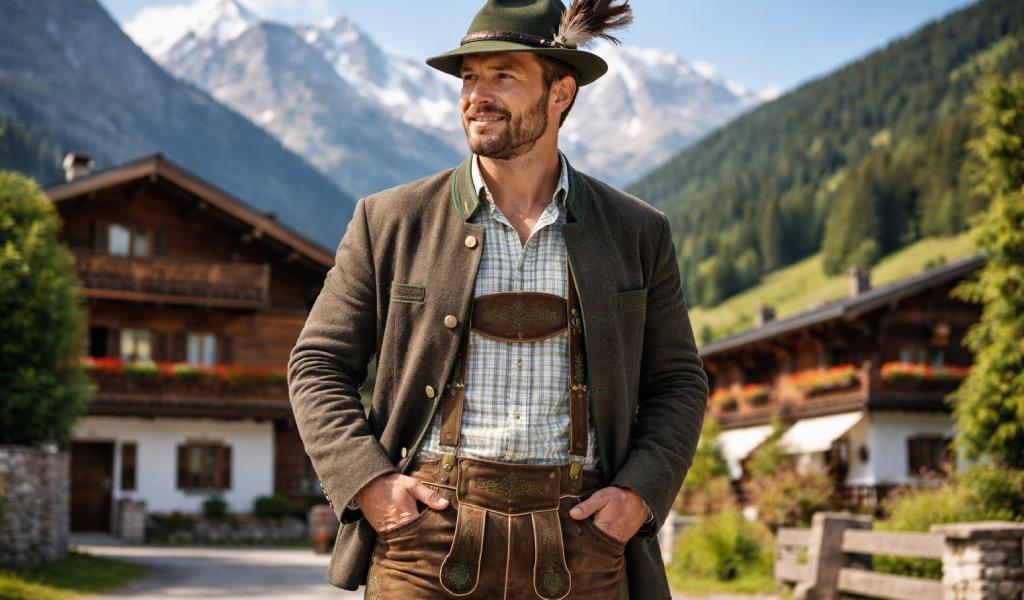
Lederhosen are the most recognizable form of Austrian men’s traditional clothing. These leather garments reflect the practical needs of Alpine life while also carrying strong cultural meaning. Originally designed for durability and outdoor work, Lederhosen have become a respected symbol of regional identity and heritage. Today, they continue to represent tradition, craftsmanship, and connection to rural history.
Key Elements of Lederhosen Outfits
A complete Lederhosen outfit includes several practical and cultural components. Each piece serves a specific purpose and contributes to the overall look.
Leather Breeches
Lederhosen are made from treated leather, which provides strength and flexibility. They are typically short or knee length, allowing ease of movement in mountainous terrain. Embroidery and detailing often reflect regional styles and family traditions, turning a functional garment into a personal statement.
Rustic Shirts
Men traditionally wear plain or subtly patterned shirts with Lederhosen. These shirts are usually made from cotton or linen to ensure comfort during physical activity. Neutral colors remain common, as they complement the natural tones of leather and reinforce the traditional appearance.
Wool Socks and Traditional Shoes
Thick wool socks or knee-length stockings help protect against cold Alpine conditions. They are paired with sturdy leather shoes designed for uneven ground. Together, these elements complete the outfit while emphasizing practicality and long-lasting use.
Cultural History of Lederhosen
Lederhosen originated as workwear for farmers, hunters, and craftsmen in Austria’s Alpine regions. Leather was chosen for its durability and resistance to harsh weather. Over time, these garments became closely tied to regional customs and social identity. As rural traditions gained cultural recognition, Lederhosen shifted from everyday clothing to attire worn during celebrations and formal gatherings. This transition preserved their original design while giving them ceremonial importance.
Modern Use of Lederhosen in Austria
Today, Lederhosen are mainly worn during cultural events rather than daily life. Men commonly wear them at folk festivals, weddings, religious holidays, and community celebrations. In rural areas, they also appear at local gatherings that honor regional heritage. While modern clothing dominates everyday wear, Lederhosen remain a visible and respected part of Austrian tradition, connecting past lifestyles with present-day cultural expression.
Regional Variations in Austrian Traditional Clothing
Traditional Austrian clothing is not uniform across the country. Instead, Tracht reflects local history, geography, and social customs. Each region developed its own styles, fabrics, and decorative details based on climate and daily life. As a result, regional Austrian clothing provides valuable insight into how communities expressed identity through dress.
Tyrol
Tyrol is strongly associated with Alpine traditions and mountain life. Clothing from this region often prioritizes durability and warmth. Men commonly wear leather trousers with detailed embroidery, while women’s dresses feature structured bodices and heavier fabrics suited to cooler temperatures. Traditional outerwear, such as wool jackets, is also common. Tyrolean traditional dress remains widely worn at local festivals and community events, reinforcing regional pride.
Salzburg
In Salzburg, traditional clothing reflects both rural customs and historical court influence. Women’s dresses often feature refined tailoring, elegant skirts, and carefully coordinated aprons. Men’s outfits tend to be more formal, with well-fitted jackets and decorative buttons. Compared to other regions, Salzburg Tracht often appears more polished, making it popular for ceremonial occasions and cultural celebrations.
Styria
Styria is known for earthy colors and natural materials. Traditional garments from this region often use wool and linen in shades of green, brown, and gray. Men’s clothing emphasizes practicality, while women’s dresses maintain simple lines with minimal decoration. These choices reflect the region’s agricultural background and close connection to the landscape. Styrian Tracht remains common at rural festivals and seasonal events.
Upper Austria
Upper Austrian traditional clothing combines function with understated decoration. Women’s dresses typically feature balanced proportions and subtle patterns, while men’s outfits focus on comfort and durability. Aprons, jackets, and accessories are often chosen for everyday usability rather than display. This regional style reflects a strong tradition of craftsmanship and community-focused living.
Traditional Accessories in Austrian Folk Dress
Accessories play an essential role in completing Austrian folk dress. They are not added only for decoration. Instead, each item serves a practical purpose while also expressing regional identity, social status, and cultural values. Together, these finishing elements give depth and authenticity to traditional outfits.
Tyrolean Hats
Tyrolean hats are one of the most recognizable accessories in Austrian traditional clothing. They are typically made from felt and designed to protect the wearer from changing Alpine weather. Beyond their practical use, these hats carry symbolic meaning. Decorations such as feathers, cords, or pins often represent regional origin, personal achievements, or participation in cultural groups. In many areas, the way a hat is styled can communicate local identity at a glance.
Loden Jackets (Janker)
Loden jackets, commonly known as Jankers, are a key outerwear piece in Austrian folk dress. Made from tightly woven wool, these jackets provide insulation and resistance to wind and light rain. Their simple cut and natural colors reflect a long tradition of functionality and durability. At the same time, details like horn buttons and structured collars signal craftsmanship and regional style. The continued use of loden jacket Austria styles shows how traditional clothing adapts well to modern life without losing cultural meaning.
Traditional Shoes and Jewelry
Footwear and jewelry complete the traditional outfit while reinforcing both function and symbolism.
Traditional Shoes
Shoes worn with folk dress are usually made of leather and designed for stability on uneven terrain. Their sturdy construction reflects rural life and outdoor work. Today, they remain a practical choice for festivals and long celebrations that involve walking or standing.
Jewelry
Traditional jewelry often includes modest pieces such as brooches, necklaces, or pins. These items may carry family significance or indicate regional heritage. Rather than drawing attention through size or luxury, they emphasize personal history and cultural connection.
Cultural Importance of Accessories
Austrian traditional accessories do more than complete an outfit. They help preserve regional customs and communicate identity through subtle details. By combining usefulness with symbolism, these accessories continue to support the lasting relevance of folk dress in Austria today.
When and Where Traditional Austrian Clothing Is Worn Today
Traditional Austrian clothing remains an active part of modern culture, even though it is no longer everyday wear. People wear Tracht to mark important moments, show regional pride, and keep cultural traditions alive. Visitors to Austria are most likely to see these outfits during public events and community gatherings, where they highlight shared identity and local heritage.
Folk Festivals
Folk festivals are the most common place to see Tracht in Austria. These events celebrate music, dance, and local traditions, and people often wear traditional clothing to show support for their community. The outfits also help create a strong sense of belonging and shared history. For visitors, festivals offer one of the clearest opportunities to experience Austrian culture through dress.
Weddings
Weddings remain a major occasion for traditional clothing. Many couples choose Tracht to honor family heritage and regional customs. Guests often wear Dirndls or Lederhosen, especially in rural areas where traditions are strongest. In this context, clothing becomes a way to connect generations and express respect for local identity.
Oktoberfest-style Events
Events similar to Oktoberfest, including local beer festivals and seasonal celebrations, also feature traditional dress. People wear Tracht to enjoy the festive atmosphere while showing cultural pride. Although the events may vary in size, they often share a common purpose: to celebrate Austrian traditions and bring communities together.
Religious Celebrations
Religious holidays and church events often involve traditional clothing, especially in regions where local customs remain strong. People may wear Tracht for ceremonies, processions, or seasonal observances. In these settings, the clothing reflects both spiritual and cultural values, and it supports the preservation of long-standing traditions.
Cultural Pride and Preservation
Across Austria, Tracht continues to symbolize cultural pride and continuity. Even when modern clothing dominates daily life, traditional outfits remain meaningful during public events. They help preserve craftsmanship, regional identity, and community traditions. For visitors, seeing Tracht in use provides a clearer understanding of how Austrians maintain a living connection to their history.
Traditional Austrian Clothing vs Modern Austrian Fashion
Traditional Austrian clothing and modern fashion coexist in a way that highlights both cultural heritage and contemporary lifestyle. While traditional outfits like Dirndls and Lederhosen remain important for celebrations and regional identity, modern clothing dominates everyday life. Rather than replacing one another, these styles serve different purposes and complement Austria’s broader fashion culture.
How Traditional Clothing Fits into Modern Life
Traditional clothing in Austria mainly appears during events that celebrate culture and community. For example, people may wear a Dirndl or Lederhosen at festivals, weddings, or national holidays. In daily life, however, Austrians usually dress in modern styles similar to other European countries. This balance allows tradition to stay visible without limiting personal choice or comfort.
Modern Fashion in Austria
Modern Austrian fashion reflects global trends and practical needs. People wear casual and professional clothing that fits city life, work environments, and everyday routines. International brands, local designers, and contemporary styles shape the way Austrians dress outside of cultural events. At the same time, traditional materials and designs occasionally appear in modern clothing, especially during seasonal celebrations.
The Blend of Tradition and Contemporary Style
In many cases, traditional and modern clothing merge in subtle ways. For example, a Dirndl blouse may inspire modern tops, or traditional patterns may appear in accessories. Additionally, modern versions of traditional outfits use lighter fabrics or updated cuts, making them more comfortable while keeping the original design. This blending supports cultural preservation while allowing style to evolve.
Why Both Styles Matter
Traditional clothing continues to represent identity, history, and community. Modern fashion represents daily life, practicality, and global influence. Together, they create a complete picture of Austrian fashion culture, showing how a country can honor its past while adapting to the present. In this way, Austria maintains a living tradition rather than a museum-style heritage.
Why Traditional Austrian Clothing Still Matters
Traditional Austrian clothing remains important in modern Austria because it represents more than just a style. Tracht carries cultural identity, supports skilled craftsmanship, promotes sustainable fashion, and adds value to tourism. Even as modern clothing dominates daily life, traditional dress continues to shape how Austrians connect with their history and community.
Cultural Identity and Community
Traditional clothing acts as a clear symbol of regional identity. When people wear Dirndls or Lederhosen, they show pride in their heritage and local customs. This is especially important in rural communities, where traditions remain a central part of social life. In addition, traditional clothing supports community belonging, since it connects people across generations and helps preserve local customs.
Craftsmanship and Quality
Many traditional garments require skilled work, including detailed stitching, embroidery, and tailoring. These techniques have been passed down through families and local workshops for decades. As a result, Tracht often lasts longer than modern fast fashion pieces. The emphasis on quality and detail helps keep traditional tailoring skills alive, and it supports small businesses that specialize in traditional clothing.
Sustainability and Long-lasting Use
Traditional clothing naturally supports sustainable fashion because it is designed to last. Leather, wool, and sturdy fabrics provide durability, while careful tailoring ensures a proper fit. Moreover, many traditional garments are worn for many years, sometimes passed down within families. This long-term use reduces the need for frequent replacement, making Tracht a practical example of sustainable clothing.
Tourism and Cultural Value
Traditional Austrian clothing also plays a key role in tourism. Visitors often look for authentic cultural experiences, and seeing Tracht in daily life or at festivals helps them understand local culture more deeply. Traditional clothing also supports cultural events, museums, and heritage celebrations, which in turn support local economies and cultural preservation.
FAQs About Traditional Austrian Clothing
What is traditional Austrian clothing called?
Traditional Austrian clothing is called Tracht. This term refers to regional folk costumes across Austria, including the Dirndl for women and Lederhosen for men. Tracht represents local heritage, cultural identity, and historical clothing traditions.
What is the difference between a Dirndl and Lederhosen?
A Dirndl is the traditional dress worn by women, consisting of a fitted bodice, blouse, full skirt, and apron. Lederhosen are leather trousers worn by men, often paired with a rustic shirt, wool socks, and sturdy shoes. In short, the Dirndl is a dress, while Lederhosen are leather pants designed for durability and movement.
Do Austrians still wear traditional clothing today?
Yes, Austrians still wear traditional clothing today, but mostly during special events. Tracht is common at weddings, folk festivals, religious celebrations, and local cultural gatherings. In daily life, modern clothing is more common, yet traditional dress remains an important symbol of identity and heritage.
What fabric is commonly used in Austrian traditional clothing?
Traditional Austrian clothing often uses durable and natural fabrics. Lederhosen are made from leather, while Dirndls commonly use cotton, linen, or wool for warmth and comfort. Loden fabric is also common, especially for jackets and outerwear, because it provides insulation and weather resistance.
Is Austrian traditional clothing worn outside festivals?
Traditional clothing is mostly worn for festivals and cultural events, but it still appears in everyday rural life. In smaller communities, people may wear Tracht for church, local celebrations, or family gatherings. Overall, it is less common in daily city life, yet it remains a meaningful part of regional identity.
Conclusion
Traditional Austrian clothing shows how history, geography, and local traditions shape identity. Tracht, including the Dirndl and Lederhosen, reflects the practical needs of rural life and the cultural values of different regions. At the same time, these outfits continue to evolve, remaining relevant in modern Austria through festivals, weddings, and community events.
By wearing traditional clothing, people keep regional heritage alive and show pride in their roots. For visitors, seeing Tracht in use offers a deeper understanding of Austrian culture. Ultimately, traditional dress is not just a costume, it is a living connection to history and community.