
Navigating the nuances of professional and social etiquette begins with understanding the formal dress code. Primarily reserved for prestigious occasions such as state dinners, high-end weddings, and galas, this standard prioritizes a polished silhouette that conveys respect for the host.
While often used interchangeably with “Black-Tie Optional,” a formal designation serves as a bridge between strict evening wear and modern business attire. Mastering this aesthetic requires a balance of sophistication and tradition.
This guide provides the definitive framework for selecting attire that ensures you meet the highest standards of elegance for any high-stakes environment.
- Decoding the Hierarchy of Formal Occasions
- The Men’s Architecture: Crafting a Sharp Silhouette
- The Women’s Edit: Elegance and Sophisticated Versatility
- Fabric Science and Color Theory in Formal Wear
- Practical Considerations: Fit and Grooming
- FAQ: Addressing Common Formal Dress Code Gaps
- Conclusion: Mastering the Art of Formal Presence
Decoding the Hierarchy of Formal Occasions
To understand the formal dress code, one must first recognize its position within the broader hierarchy of social standards. Dressing appropriately is not merely about fashion; it is a signal of social intelligence and adherence to tradition.
The Peak of Formality: White Tie and Black Tie
At the very top of the hierarchy sits White Tie, the most rigorous standard which demands tailcoats for men and full ball gowns for women. Just below this is Black Tie, which remains highly formal and strictly requires tuxedos and floor-length gowns. If an invitation specifies these, there is no room for deviation.
The Versatility of the Formal Standard
The “Formal” dress code—often labeled as Black-Tie Optional—offers a degree of flexibility that the more rigid categories do not. It acts as an invitation to dress with high elegance while allowing for modern interpretations of classic styles.
This level is more sophisticated than Semi-Formal, which generally permits dark suits without ties or cocktail-length dresses. Understanding this spectrum prevents the social friction of being either under-dressed or distractingly over-dressed.
The Men’s Architecture: Crafting a Sharp Silhouette
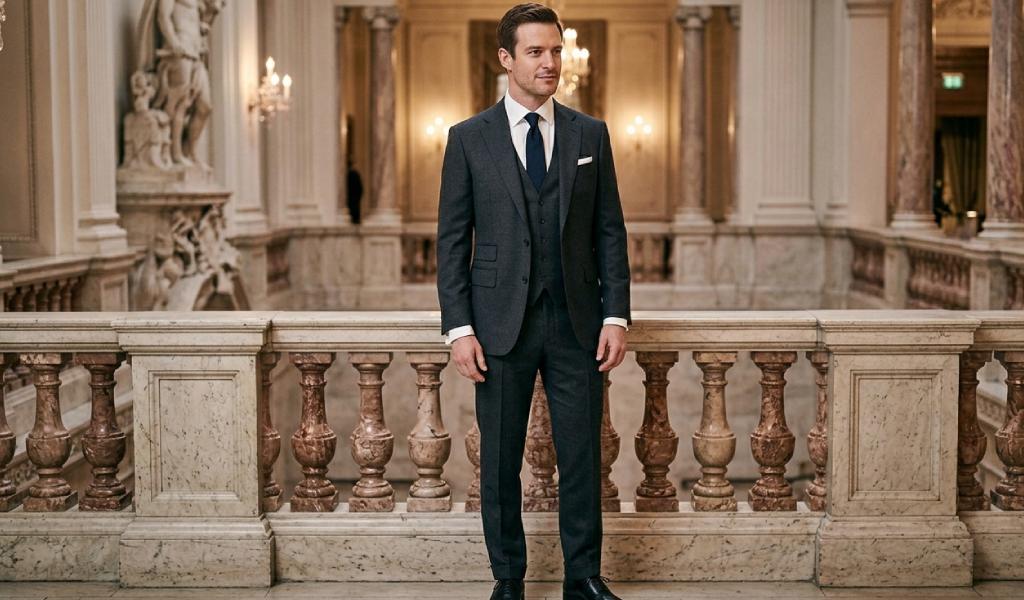
For men, the formal dress code is built upon a foundation of structured tailoring and a subdued color palette. The objective is to achieve a sharp, polished look that emphasizes clean lines and professional maturity.
Selecting the Right Suit and Shirt
While a tuxedo is acceptable in a formal setting, it is not a requirement unless “Black Tie” is explicitly stated. The standard for a formal event is a high-quality, dark-colored suit.
- Primary Colors: Black, Navy, or Charcoal are the non-negotiable standards for formal suit colors.
- The Dress Shirt: A crisp, white dress shirt featuring a classic turn-down collar is essential for maintaining a clean aesthetic.
- Fabric Quality: For Fortune 500-level presentation, opt for high-twist wool or wool-silk blends that hold their shape throughout the evening.
Ties, Footwear, and Essential Accessories
The details of a man’s outfit often determine the success of his overall appearance. In a formal environment, “less is more” remains the guiding principle.
| Accessory | Requirement | Note |
|---|---|---|
| Neckwear | Conservative necktie or bow tie | Dark or muted colors only |
| Shoes | Polished leather Oxfords or Loafers | Ensure a high-shine finish |
| Cufflinks | Minimalist metal or stone | Avoid novelty designs |
| Timepiece | Simple dress watch | Thin profile to fit under the cuff |
| Pocket Square | White silk | Should be folded neatly |
The Women’s Edit: Elegance and Sophisticated Versatility
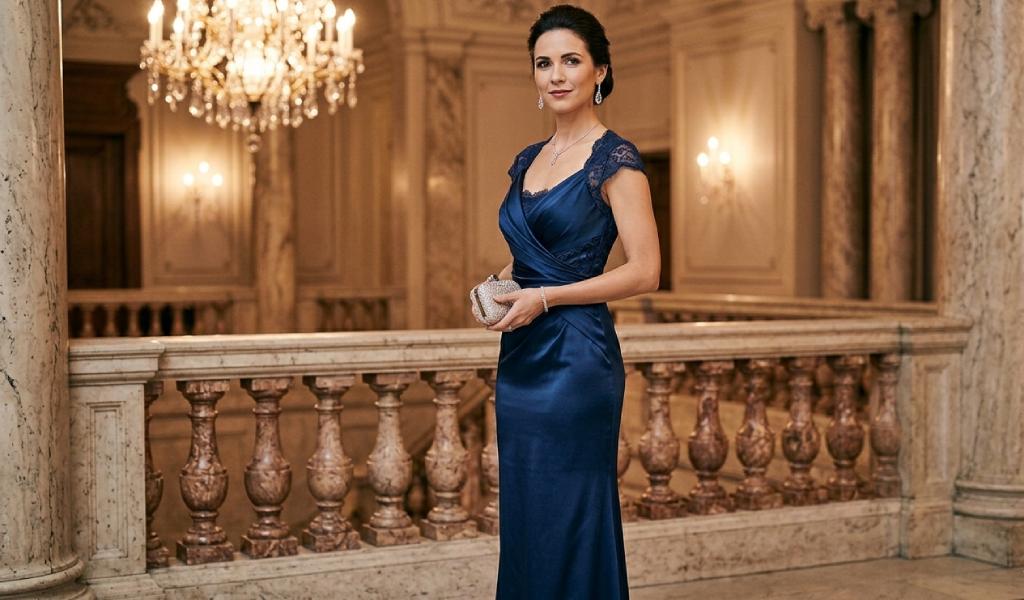
Women enjoy more stylistic flexibility within the formal dress code, though the expectation for sophistication remains high. The priority is on “floor-grazing” or midi-length styles that reflect the prestige of the event.
Choosing the Primary Ensemble
The traditional choice for a formal event is the floor-length evening gown, which provides the highest level of elegance. However, modern standards have expanded to include several other sophisticated options.
- Midi and Ankle-Length Dresses: These are widely acceptable alternatives to full gowns, provided the fabric and cut remain elevated.
- Tailored Alternatives: A dressy jumpsuit or a sharply tailored pantsuit can be highly effective. To maintain a formal feel, these pieces should be crafted from luxury fabrics such as satin, crepe, or lace.
Footwear and Final Accents
The choice of footwear and accessories should complement the ensemble without overcomplicating the silhouette.
Footwear Strategy for Long Events
While dressy heels are the traditional standard, the modern formal code acknowledges the need for comfort during extended galas or weddings. Polished dress flats or kitten heels are perfectly acceptable, provided they maintain a formal aesthetic and are made from premium materials.
The Role of Accessories
In a formal setting, accessories should act as focal points rather than distractions. A small evening clutch is a necessity for carrying essentials without the bulk of a standard handbag. When it comes to jewelry, focus on one or two statement pieces—such as a bold necklace or elegant earrings—to complete the look with a touch of luxury.
Fabric Science and Color Theory in Formal Wear
The impact of formal attire is often rooted in the tactile and visual quality of the materials used. High-end events demand fabrics that drape well and reflect light in a sophisticated manner.
Luxury Fabrics for Women
The choice of fabric can elevate a simple silhouette into something extraordinary.
- Satin: Known for its high-lustre surface and beautiful drape, ideal for evening gowns and jumpsuits.
- Crepe: A crisp fabric with a pebbled texture that offers a structured, professional look for pantsuits.
- Lace: Adds a layer of intricate detail and timeless elegance to midi-length dresses.
Color Psychology in Professional Formality
In prestigious environments, the color palette is traditionally conservative. Darker tones such as navy and charcoal convey authority and stability, while black remains the ultimate symbol of evening sophistication. For women, while there is more room for color, the focus should remain on deep jewel tones or classic neutrals to ensure the look remains anchored in the “formal” tradition.
Practical Considerations: Fit and Grooming
Even the most expensive attire will fail to impress if the fit is incorrect or grooming is neglected. A world-class presentation requires attention to the physical presentation of the garments.
The Importance of Tailoring
For both men and women, tailoring is the differentiator between an off-the-rack look and a Fortune 500-level appearance. Men should ensure that suit jackets do not pull at the button and that trousers have a slight break over the shoe. Women should ensure that floor-length gowns are hemmed to the specific height of the shoes they intend to wear to avoid tripping or fabric dragging.
Grooming and Personal Presentation
Formal attire demands a high level of personal grooming. This includes neatly styled hair, clean and polished nails, and a subtle approach to fragrance. The goal is a cohesive look where no single element—including your grooming—distracts from the elegance of your outfit.
FAQ: Addressing Common Formal Dress Code Gaps
Can I wear a cocktail dress to a formal event?
A cocktail dress is typically associated with a semi-formal or “festive” dress code. For a strictly formal event, a midi-length, ankle-length, or floor-length gown is preferred to ensure you meet the expected standard of elegance.
Is it acceptable for men to skip the tie?
In a formal or Black-Tie Optional setting, a tie is considered a core component of the uniform. Skipping the tie moves the outfit into the “Semi-Formal” category, which may be viewed as under-dressing for prestigious occasions like state dinners or high-end weddings.
What is the difference between “Formal” and “Black Tie”?
The primary difference lies in the requirement of a tuxedo. Black Tie strictly mandates a tuxedo for men and a floor-length gown for women. “Formal” is slightly more flexible, allowing for high-quality dark suits and sophisticated midi-length dresses.
Are dressy flats truly acceptable for women?
Yes. Modern formal etiquette prioritizes a polished appearance over specific heel heights. As long as the flats are “polished” and made of dressy materials, they are a valid choice for comfort.
Conclusion: Mastering the Art of Formal Presence
Adhering to a formal dress code is a powerful way to demonstrate your professionalism and respect for the importance of an event. By focusing on a sharp silhouette, choosing luxury fabrics, and maintaining a minimalist approach to accessories, you ensure that your presence is both sophisticated and appropriate for the most prestigious circles.
Whether you are attending a corporate gala or a high-end wedding, the keys to success are preparation and an understanding of the traditional hierarchy.
Actionable Checklist for Your Next Formal Event:
- Verify the Specifics: Check if the invitation says “Formal” or “Black-Tie Optional” to determine your suit vs. tuxedo choice.
- Color Check: Stick to dark, classic tones like navy, black, or charcoal.
- Length Check: Ensure gowns are floor-grazing or at least midi-length.
- Detail Check: Polish your shoes and select minimalist, high-quality accessories.
By following these principles, you will navigate any formal environment with the confidence and grace required of a world-class professional.