
Choosing the right fabric plays a major role in how a garment looks, feels, and performs. Fabric affects structure, comfort, durability, and overall visual impact. Designers and shoppers alike benefit from understanding how materials behave, especially when working with delicate or premium textiles.
Organza and tissue fabric are two luxurious options that often get confused because both are sheer and elegant. Despite their similar appearance, they differ in important ways such as stiffness, sheen, drape, and typical usage in fashion.
This guide breaks down the real differences in a clear and practical way. By comparing texture, flow, and styling potential, you will gain a better understanding of which fabric suits your needs and how to choose the right option with confidence.
- What Is Organza Fabric? Key Features and Composition
- What Is Tissue Fabric? Understanding Its Soft, Fluid Nature
- Organza vs Tissue Fabric: Key Differences Explained
- Fashion Uses: Where Each Fabric Works Best
- Pros and Cons of Organza vs Tissue Fabric
- Care and Maintenance Differences
- Price Comparison: Is Organza or Tissue Fabric More Expensive?
- How to Choose Between Organza and Tissue Fabric
- Frequently Asked Questions (FAQ)
- Conclusion
What Is Organza Fabric? Key Features and Composition
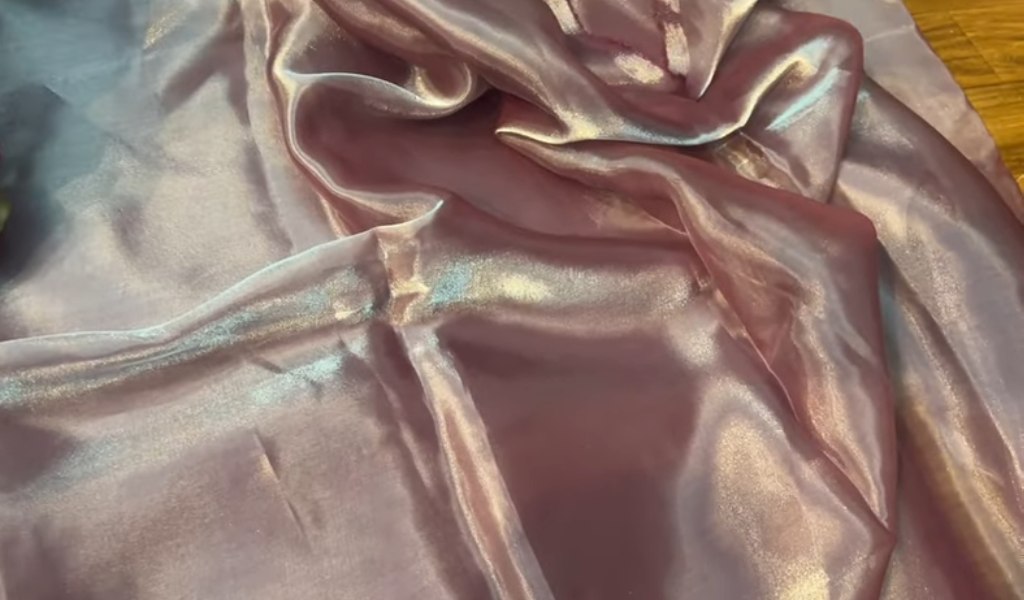
Organza is a lightweight, sheer fabric known for its crisp texture and structured feel. Unlike many soft transparent textiles, organza has a slightly stiff hand, which allows it to hold its shape while still looking delicate. This balance between transparency and structure makes it popular in fashion where designers want volume without heaviness.
At its core, organza is defined by how it is woven. It uses a plain weave with tightly twisted fibers, which creates both its firmness and subtle sheen. Depending on the fiber used, organza can feel luxurious and refined or more practical and durable. Understanding its composition helps you choose the right type for your design or garment.
Traditional Silk Organza
Silk organza is the original and most luxurious version of the fabric. It is made from pure silk fibers that are tightly twisted before weaving, giving the fabric strength despite its light weight.
Origins and silk composition
Historically, silk organza came from regions known for fine silk weaving, particularly in Asia and Europe. The use of high-quality silk gives the fabric a natural glow and a dry, crisp texture that feels refined rather than slippery. Unlike softer silk fabrics, silk organza has a slightly firm touch because of its twisted yarn structure.
Use in couture and bridal wear
Silk organza is widely used in high-end fashion because it adds elegance without bulk. Designers rely on it for garments that require structure and transparency at the same time.
Common uses include:
- Bridal gowns and veils
- Couture evening dresses
- Layered overlays
- Luxury occasion wear
Because of its premium fiber content and craftsmanship, silk organza is often chosen when visual quality and texture matter most.
Modern Organza Variations (Polyester and Nylon)
As demand grew, manufacturers began producing organza using synthetic fibers like polyester and nylon. These alternatives make the fabric more accessible while preserving its signature look.
Affordable alternatives
Polyester organza is the most common modern version. It offers the same transparent appearance and structured feel at a much lower cost. Nylon organza is slightly softer and sometimes used in decorative or fashion-forward designs.
These options are widely available and often used in:
- Ready-to-wear fashion
- Party dresses
- Decorative garments
- Event styling and crafts
Durability and maintenance differences
Synthetic organza tends to be more durable than silk. It resists tearing better and is less sensitive to moisture and sunlight. Maintenance is also easier, since many polyester versions can be gently hand washed or machine washed on delicate settings.
However, the trade-off is texture. While synthetics mimic the look well, they may lack the refined feel and depth of natural silk. For everyday wear, this difference is often acceptable, but for luxury garments, silk remains the preferred choice.
Key Characteristics of Organza
Organza stands out because of its unique balance between lightness and structure. Several defining traits make it easy to recognize and work with.
Crisp texture
The fabric has a firm hand that allows it to hold pleats, folds, and sculpted shapes. This makes it ideal for garments that require dimension or architectural styling.
Sheer appearance
Organza is semi-transparent, allowing light to pass through. This creates depth when layered over other fabrics and adds a soft visual contrast without hiding underlying details.
Lightweight structure
Despite its stiffness, organza is extremely light. Designers often use it to add volume without making garments heavy or uncomfortable. This quality is especially useful in warm climates or layered outfits.
Holds shape well
One of the biggest advantages of organza is its shape retention. It maintains ruffles, puff sleeves, and flared silhouettes with minimal support. Unlike soft sheer fabrics that collapse, organza keeps its form throughout wear.
What Is Tissue Fabric? Understanding Its Soft, Fluid Nature
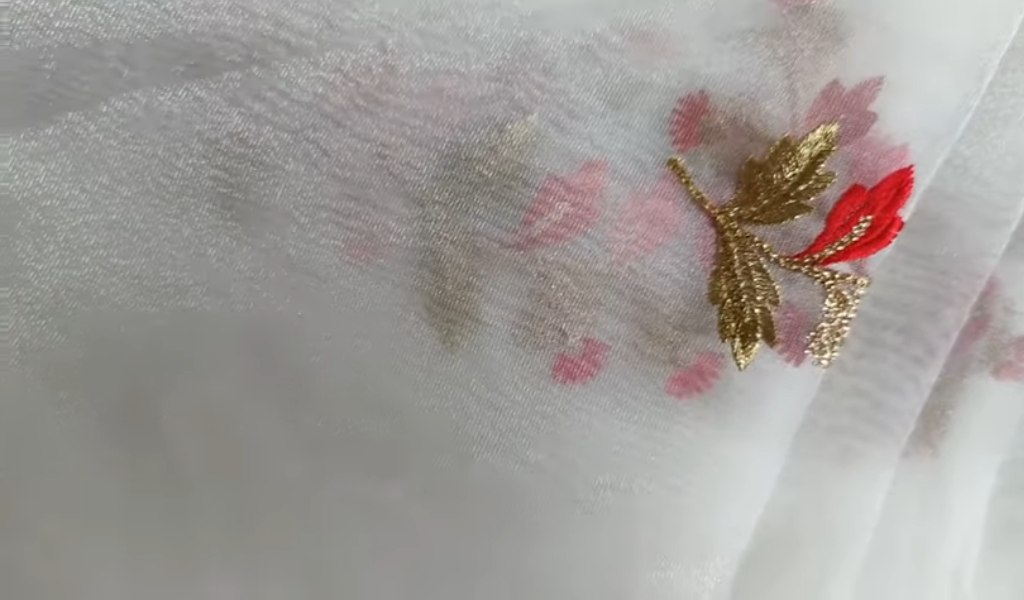
Tissue fabric is a delicate, lightweight textile known for its soft drape and luminous finish. Unlike structured sheer materials, tissue fabric is valued for how gently it flows and reflects light. It creates a refined, airy appearance that works well in garments designed for elegance and movement.
At the fiber level, tissue fabric is typically made from finely woven silk yarns. The weaving process produces a thin, semi-transparent fabric that feels smooth and light against the skin. Because of this construction, tissue fabric behaves very differently from crisp sheer textiles. It bends easily, folds softly, and enhances fluid silhouettes.
Understanding its fiber composition and physical behavior helps explain why tissue fabric is often associated with luxury fashion and ceremonial wear.
Silk-Based Composition
Most traditional tissue fabric is made from pure silk. Silk fibers are naturally smooth and fine, which allows the fabric to achieve its signature softness and sheen without heavy finishing treatments.
Why most tissue fabric is silk
Silk is used because it provides both strength and delicacy. Fine silk threads can be woven into extremely thin fabrics while still maintaining durability. This makes it possible to create a translucent textile that does not feel fragile during wear.
In many regions, silk tissue is produced using specialized weaving techniques that control thread tension carefully. This ensures the final fabric remains light while maintaining a consistent surface and subtle shine.
Luxurious feel and softness
The natural properties of silk give tissue fabric its smooth hand feel. It glides over the skin rather than holding stiffness, which makes it comfortable for long wear. This softness also contributes to its elegant appearance, especially in garments that rely on graceful movement.
Because of this refined texture, silk-based tissue fabrics are often chosen for:
- Formal and festive clothing
- Lightweight traditional garments
- High-end scarves and wraps
- Bridal and evening wear
The fiber quality directly influences how the fabric looks and feels, which is why silk remains the most valued base material.
Texture and Transparency
One of the most recognizable aspects of tissue fabric is its fine, almost paper-like texture. It appears delicate but still carries a noticeable sheen when exposed to light.
Paper-like delicacy
Tissue fabric has a thin, crisp visual quality, but unlike stiff materials, it remains flexible. The threads are woven closely enough to create structure, yet lightly enough to keep the fabric airy. This gives it a distinctive tactile balance, light but not flimsy.
When handled, the fabric forms soft folds rather than rigid creases. This makes it suitable for garments that need both elegance and comfort.
High shine and translucency
Another defining trait is its luminous surface. Silk fibers naturally reflect light, creating a soft glow that shifts as the fabric moves. This sheen is usually more noticeable than in many other lightweight textiles.
Its semi-transparent nature also adds depth when layered. Designers often use this quality to create dimension without adding weight, especially in layered outfits or traditional attire.
Signature Qualities of Tissue Fabric
Tissue fabric stands out because of how it behaves in motion and wear. Its performance is driven by its fine silk structure and lightweight weave.
Fluid drape
The fabric falls smoothly and follows body movement closely. Instead of holding volume, it settles naturally into folds. This makes it ideal for garments that rely on draping techniques or flowing silhouettes.
Lightweight elegance
Despite its glossy finish, tissue fabric remains extremely light. It adds visual richness without making garments heavy. This is especially useful in warm climates or layered clothing where breathability matters.
Soft movement
Tissue fabric responds easily to motion. Even small movements create gentle ripples in the fabric, which enhances its graceful appeal. This quality is why it is often chosen for garments meant to look refined in both still and moving settings.
Additional characteristics that make it distinctive include:
- Smooth surface with minimal stiffness
- Natural shine without heavy coatings
- Comfortable wear for extended occasions
Organza vs Tissue Fabric: Key Differences Explained
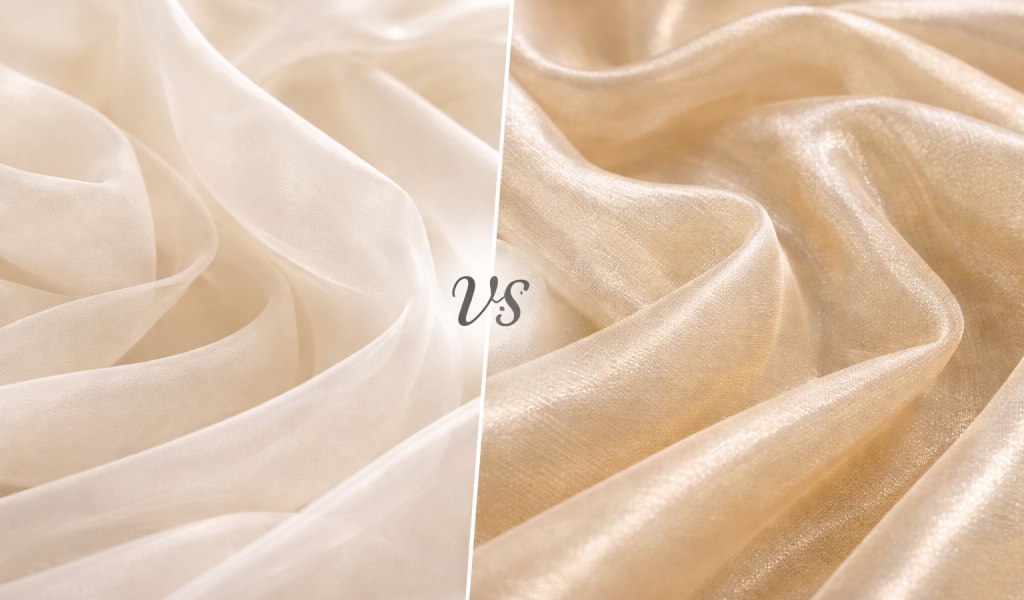
Organza and tissue fabric may look similar at first glance because both are sheer and lightweight. However, they behave very differently in structure, movement, and visual impact. Understanding these differences helps designers, buyers, and fabric enthusiasts choose the right material for specific garments.
At a basic level, organza focuses on structure and shape, while tissue fabric emphasizes softness and flow. The distinction becomes clearer when you compare texture, shine, drape, and overall appearance.
Texture and Structure
The biggest difference between the two fabrics lies in how they feel and hold form.
Organza has a firm, crisp texture. It is woven using tightly twisted yarns that give the fabric stiffness and body. Because of this, organza can stand slightly away from the body instead of clinging to it. Designers use this quality when they want garments with volume or sculpted silhouettes.
Tissue fabric, on the other hand, feels soft and flexible. It bends easily and conforms to movement without resistance. Its fine silk construction allows it to fold naturally, which makes it ideal for draped garments and flowing designs.
Key comparison:
- Organza creates structure and definition
- Tissue fabric creates softness and fluidity
This structural difference often determines how each fabric is used in fashion design.
Sheen and Visual Finish
Both fabrics reflect light, but the way they shine is noticeably different.
Organza has a subtle, refined sheen. The shine appears slightly dry and crisp rather than glossy. This gives garments a polished, elegant finish without overwhelming brightness. It works well in layered designs where a controlled shine is preferred.
Tissue fabric produces a more luminous effect. Because it is typically silk-based, the fibers reflect light more smoothly. This creates a gentle glow that shifts as the fabric moves. The shine often looks richer and more fluid compared to organza.
How light behaves on each fabric:
- Organza reflects light with a crisp, understated finish
- Tissue fabric diffuses light softly, creating a glowing surface
This difference in light reflection plays a big role in the overall mood of a garment.
Drape and Movement
Drape is where the contrast becomes most obvious in real wear.
Organza holds its shape even when cut into wide panels or layers. It resists collapsing, which makes it ideal for puff sleeves, ruffles, and flared skirts. The fabric maintains its form throughout wear, giving garments a structured appearance.
Tissue fabric flows naturally with movement. It falls close to the body and responds easily to motion. Instead of maintaining volume, it forms soft folds and gentle waves. This quality enhances elegance, especially in gowns or traditional attire that rely on fluid motion.
In practical terms:
- Organza supports architectural designs
- Tissue fabric enhances graceful movement
This is why designers often choose between them based on whether structure or flow is the priority.
Weight and Transparency
Both fabrics are lightweight and sheer, but their visual density is not the same.
Organza feels light yet slightly firm due to its crisp weave. Its transparency is clean and structured, allowing light to pass through while still maintaining visible form. When layered, organza creates depth with a slightly sculpted look.
Tissue fabric is lighter in feel and more delicate in appearance. Its transparency looks softer and more diffused. Instead of sharp layering, it produces a gentle, airy effect that blends smoothly with other fabrics.
Visual comparison:
- Organza offers structured transparency with defined layers
- Tissue fabric offers airy transparency with a softer finish
This subtle difference affects how each fabric performs in layered outfits or formal wear.
Fashion Uses: Where Each Fabric Works Best
Understanding how each fabric behaves in real garments makes it easier to choose the right one for a design. While both materials are sheer and elegant, they serve very different purposes in fashion. Organza is chosen for structure and drama, while tissue fabric is preferred for softness and movement.
Below is a practical breakdown of where each fabric performs best and why designers select them for specific styles.
Best Uses for Organza in Fashion
Organza is widely used when a garment needs volume, shape, or a sculpted finish. Its crisp texture allows designers to build form without adding bulk. This makes it a favorite in both couture and statement fashion pieces.
Bridal gowns
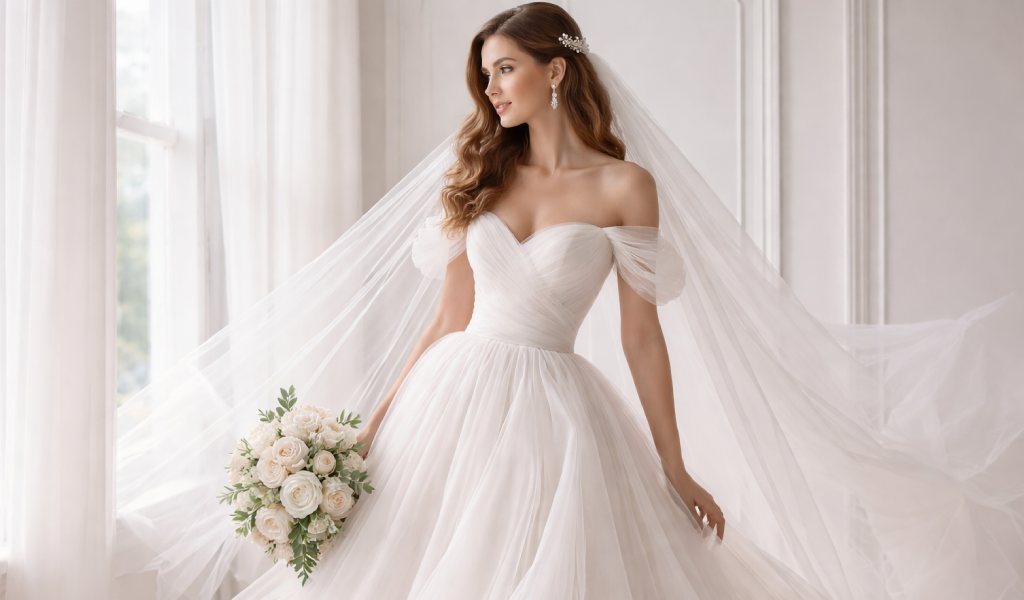
Organza is commonly used in wedding dresses because it adds dimension without heaviness. It works well in layered skirts, structured veils, and decorative overlays. Brides who want a defined silhouette often choose organza for its ability to hold shape throughout long ceremonies.
Structured dresses
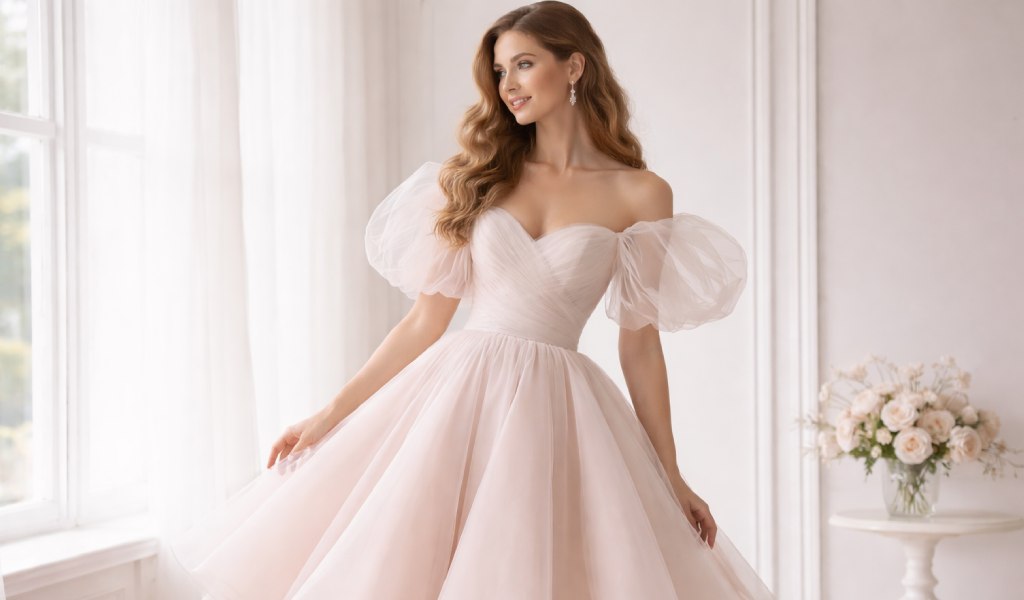
For dresses that require strong lines or bold silhouettes, organza provides support without stiffness that feels uncomfortable. It is often used in:
- A-line dresses
- Fit-and-flare styles
- Puff sleeve designs
The fabric helps maintain the intended structure from tailoring to final wear.
Ruffles and overlays
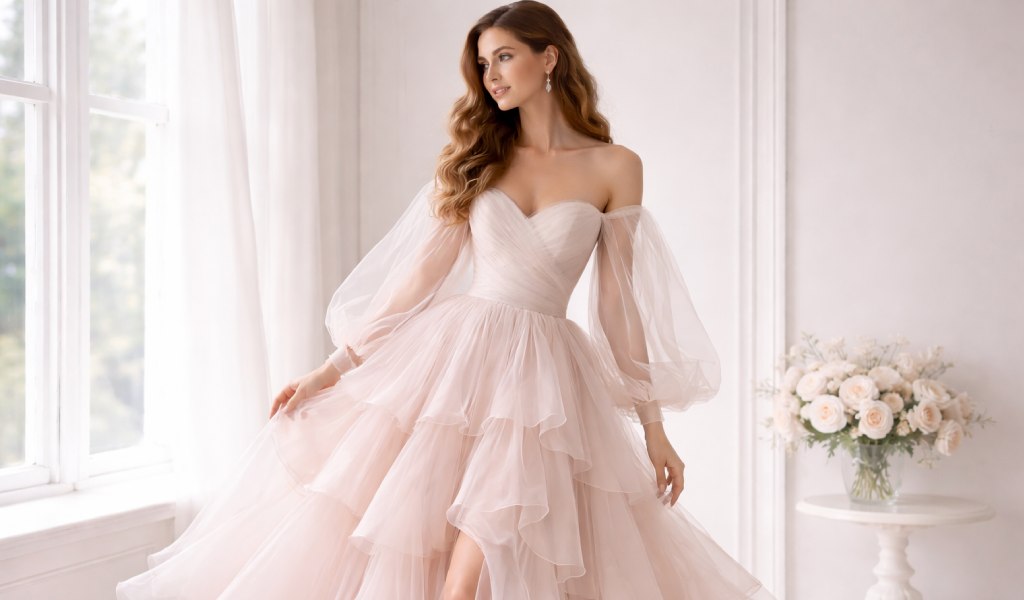
Organza is ideal for decorative elements. Its firmness allows ruffles, flounces, and layered accents to stay defined instead of collapsing. This makes it popular in formalwear and runway fashion where visual impact matters.
Designers often use it for:
- Tiered skirts
- Statement sleeves
- Sheer overlays
Couture silhouettes
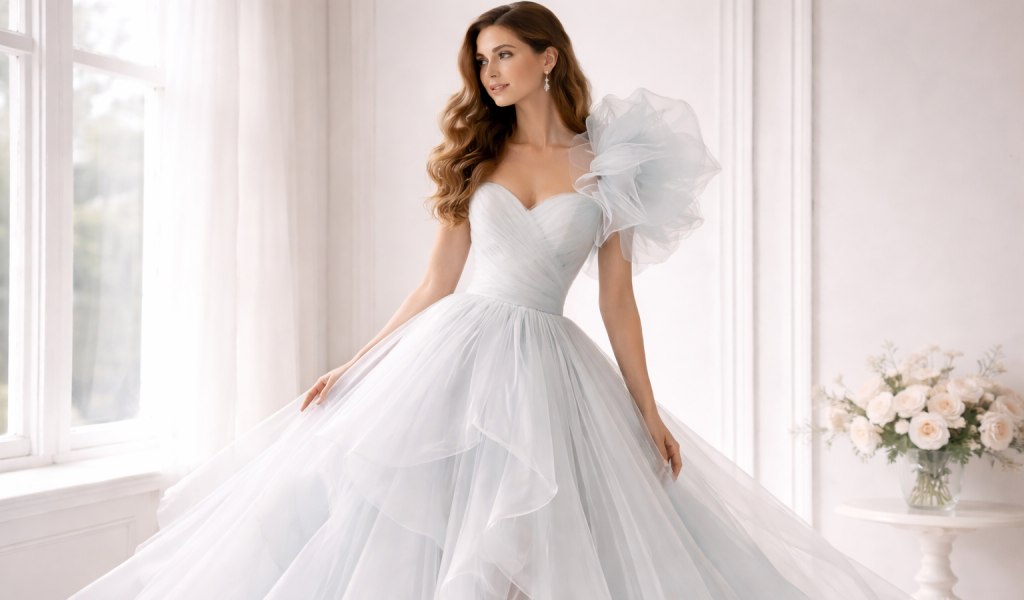
In high-fashion design, organza is valued for its architectural potential. It can be molded into sculptural shapes that remain lightweight. This makes it suitable for experimental designs that require volume without compromising comfort.
Because of its versatility, organza works well in garments where structure is part of the aesthetic rather than just the construction.
Best Uses for Tissue Fabric
Tissue fabric is best suited for garments that prioritize softness, elegance, and fluid movement. Its lightweight silk composition allows it to drape naturally, making it ideal for flowing and graceful styles.
Flowing gowns
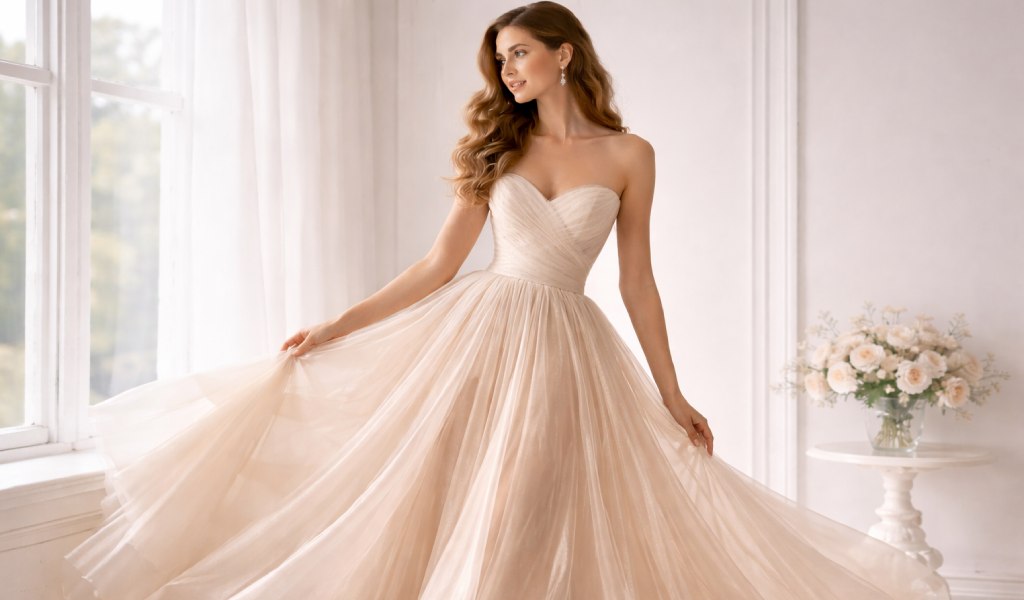
Tissue fabric is often used in evening gowns that rely on movement rather than structure. The fabric falls smoothly and creates soft folds that enhance elegance. It is especially popular in layered gowns where a gentle sheen adds depth without stiffness.
Scarves and dupattas
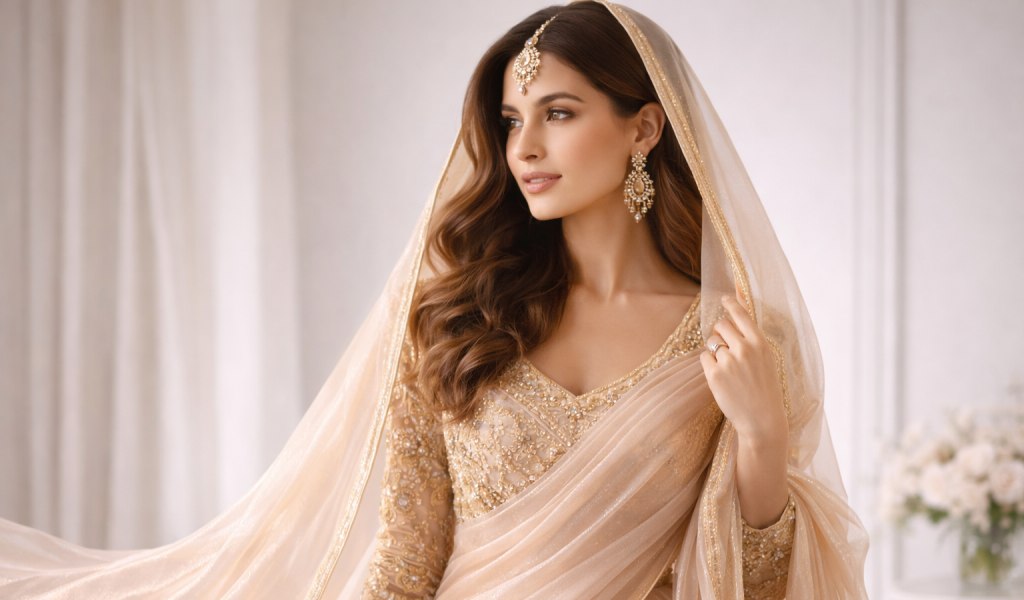
Because of its light weight and soft texture, tissue fabric is frequently used for accessories that sit close to the skin. Scarves and dupattas made from this fabric feel airy and refined while still offering a luminous appearance.
These pieces benefit from:
- Soft draping
- Comfortable wear
- Elegant shine
Lightweight sarees
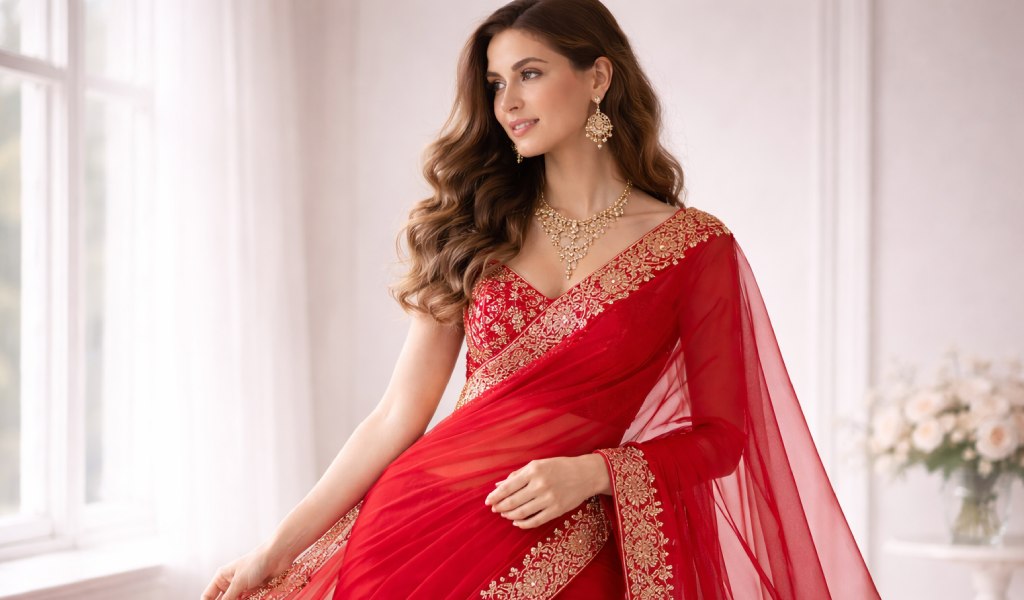
Tissue fabric is widely appreciated in sarees where both shine and fluidity are desired. It provides a rich look without the heaviness of thicker silk weaves. This makes it suitable for festive wear, warm climates, and long occasions where comfort matters.
The fabric’s natural glow enhances traditional garments while keeping them easy to carry.
Ethereal evening wear
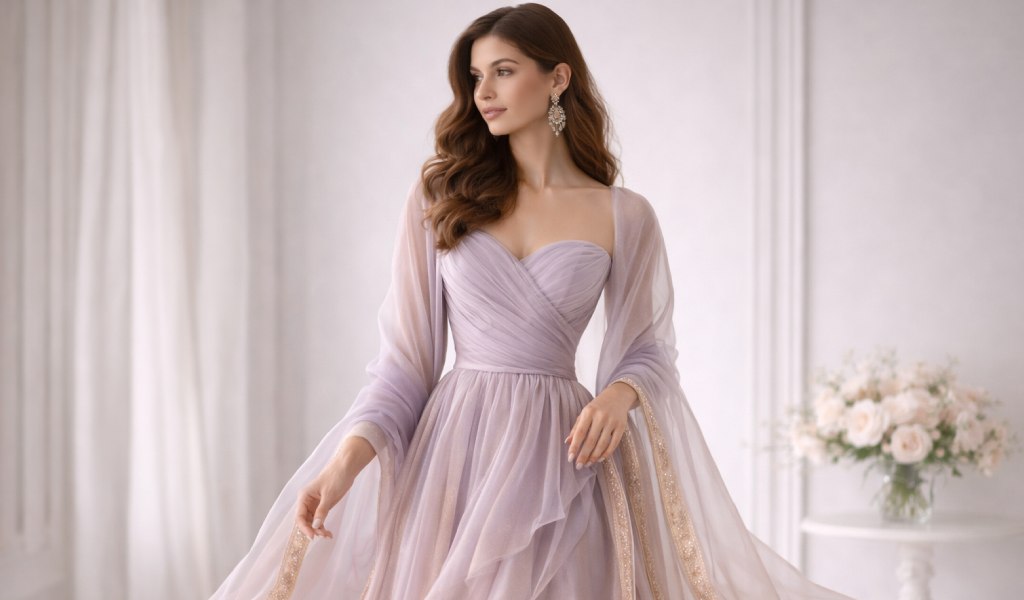
Designers often use tissue fabric for dresses that need a soft, dreamlike quality. Its ability to reflect light gently and move with the body creates a refined, understated elegance. This makes it a popular choice for formal events and special occasions.
Common uses include:
- Draped evening dresses
- Layered soft silhouettes
- Elegant wraps and stoles
Pros and Cons of Organza vs Tissue Fabric
Both organza and tissue fabric are associated with elegance, but they serve different needs. A balanced look at their strengths and limitations helps buyers and designers make better choices. While one offers structure and impact, the other focuses on softness and refinement. The right option depends on how the fabric will be worn, styled, and maintained.
Advantages of Organza
Organza stands out for its ability to combine lightness with structure. This makes it highly practical for garments that need definition without heaviness.
Shape retention
One of the biggest advantages of organza is its ability to hold form. It keeps pleats, ruffles, and sculpted silhouettes intact even after extended wear. This makes it reliable for structured outfits where maintaining the intended shape is important.
Durability, especially synthetic versions
Modern organza made from polyester or nylon tends to be more resilient than many delicate fabrics. It resists tearing better and handles repeated use more effectively. This durability makes it suitable for garments that require frequent handling, such as occasion wear or decorative layers.
Dramatic styling potential
Because of its crisp texture, organza adds volume without adding weight. Designers use it to create bold visual elements like layered skirts, puff sleeves, and statement overlays. It allows experimentation with shape while still feeling lightweight on the body.
Additional benefits include:
- Works well in layered designs
- Maintains structure in photos and events
- Available in a wide range of finishes
Drawbacks of Organza
Despite its strengths, organza may not suit every design or comfort preference.
Can feel stiff
The same firmness that gives organza structure can make it feel less comfortable for some wearers. In garments worn close to the skin, the fabric may feel slightly rigid compared to softer textiles.
Wrinkles easily
Organza can crease during storage or transport. While many wrinkles can be removed with gentle steaming, the fabric still requires careful handling. Silk versions, in particular, demand more attention to maintain a polished appearance.
Other limitations to consider:
- Can snag if exposed to rough surfaces
- May require lining for comfort
- Premium silk types can be costly
Advantages of Tissue Fabric
Tissue fabric appeals to those who value softness and fluid elegance. It offers a refined look that works well in graceful designs.
Elegant drape
Tissue fabric falls naturally and follows movement closely. This makes it ideal for garments that rely on soft folds and flowing silhouettes. It enhances the overall grace of a design without needing heavy structuring.
Luxurious sheen
The natural glow of silk-based tissue fabric creates a polished appearance. Its surface reflects light smoothly, adding depth and sophistication to both traditional and modern outfits. This sheen often looks more fluid than structured sheer fabrics.
Ultra-light feel
Despite its rich appearance, tissue fabric is extremely lightweight. It feels comfortable for long wear and works well in warm environments or layered garments. The lightness also makes it suitable for accessories like wraps and scarves.
Additional strengths include:
- Comfortable against the skin
- Ideal for elegant draping styles
- Enhances movement in garments
Drawbacks of Tissue Fabric
Tissue fabric offers beauty, but it comes with practical considerations.
Very delicate
Because it is usually made from fine silk yarns, tissue fabric requires gentle handling. It can snag or crease if exposed to rough use. This makes it less suitable for heavily structured designs or everyday wear.
Higher maintenance
Tissue fabric often needs careful cleaning and storage. Dry cleaning is usually recommended to preserve its texture and sheen. Improper washing can affect its drape and surface quality.
Other factors to keep in mind:
- Sensitive to moisture and pressure
- May lose sheen with harsh cleaning methods
- Not ideal for high-friction garments
Care and Maintenance Differences
Proper care plays a major role in how long delicate fabrics last and how well they retain their beauty. Although organza and tissue fabric may look similar, they require different handling methods. Organza is generally easier to maintain, especially in synthetic versions, while tissue fabric demands more caution due to its fine silk construction.
Knowing how to clean, store, and handle each fabric helps prevent damage and keeps garments looking refined over time.
How to Care for Organza
Organza is relatively low maintenance compared to other sheer fabrics, but it still benefits from gentle handling. The exact care method depends on whether the fabric is silk or synthetic.
Hand washing vs dry cleaning
Synthetic organza, such as polyester versions, can often be hand washed using cold water and mild detergent. A gentle swish is usually enough to clean it without stressing the fibers. For machine washing, a delicate cycle inside a mesh laundry bag adds protection.
Silk organza should be dry cleaned when possible. This helps maintain its crisp texture and prevents fiber damage. If hand washing silk organza, use minimal agitation and avoid wringing the fabric.
Quick care tips:
- Always use cold water
- Avoid harsh detergents
- Do not twist or squeeze the fabric
Steaming tips
Wrinkles are common in organza, especially after storage. Steaming is safer than ironing because direct heat can flatten the texture or damage fibers.
For best results:
- Use a handheld steamer at a safe distance
- Let the fabric hang freely while steaming
- Avoid pressing the steamer directly onto the surface
If ironing is necessary, use very low heat and place a protective cloth between the iron and fabric.
Storage methods
Proper storage helps organza maintain its structure and clarity. Hanging garments is usually the best option, as it prevents deep creases.
Storage suggestions:
- Use padded hangers for dresses
- Keep away from direct sunlight
- Store in breathable garment bags
For folded storage, place tissue paper between layers to reduce creasing.
How to Care for Tissue Fabric
Tissue fabric requires more careful handling because it is often made from fine silk yarns. Its softness and sheen can be affected easily by moisture, friction, or pressure.
Why dry cleaning is safer
Dry cleaning is the preferred method for most tissue fabric garments. Professional cleaning preserves the fabric’s drape and prevents water marks or texture changes. Washing at home can lead to stiffness, color fading, or loss of sheen.
If home care is unavoidable, very gentle hand washing may work, but it carries some risk. Always test a small hidden area first.
Handling delicate silk tissue
When wearing or cleaning tissue fabric, minimal friction is key. Rough surfaces can snag the fibers, and strong detergents can weaken the silk.
Handling guidelines:
- Avoid scrubbing or rubbing stains
- Use mild silk-safe cleansers if hand washing
- Do not wring or twist the fabric
After washing, lay the fabric flat on a clean towel to dry naturally.
Storage precautions
Storage plays a major role in preserving the elegance of tissue fabric. Improper folding or heavy stacking can leave permanent creases.
To maintain quality:
- Store in a cool, dry place
- Use soft muslin or cotton covers
- Avoid plastic covers that trap moisture
If folding is necessary, place acid-free tissue paper between folds to reduce pressure lines.
Price Comparison: Is Organza or Tissue Fabric More Expensive?
When choosing between organza and tissue fabric, price is often a deciding factor. Both fabrics can range from affordable to premium depending on fiber type, weaving method, and craftsmanship. While they may look similar at first glance, their cost structures are influenced by different production factors.
In general, synthetic organza tends to be more budget-friendly, while silk versions of both fabrics fall into the luxury category. Tissue fabric often becomes more expensive at the high end due to its silk quality and traditional weaving techniques.
Silk Organza Pricing
Silk organza sits in the mid-to-high price range within luxury fabrics. Its cost depends largely on fiber quality and how the fabric is woven.
Fiber quality and weaving complexity
Pure silk organza is made from tightly twisted silk yarns, which require careful processing. The twisting process gives organza its crisp texture but also increases production effort. Higher-grade silk fibers create a smoother finish and better transparency, which raises the price.
Several factors influence silk organza pricing:
- Silk origin and quality
- Yarn twist density
- Fabric weight and stiffness
- Brand or mill reputation
Lightweight silk organza used in couture garments is typically more expensive than heavier or blended versions. However, it often remains more accessible than premium handwoven silk textiles.
Tissue Fabric Cost Factors
Tissue fabric pricing can vary widely, especially when comparing machine-made and handwoven varieties. At the luxury end, tissue fabric may surpass silk organza in cost.
Handwoven silk tissue pricing
Handwoven silk tissue fabrics are often produced using traditional looms and skilled craftsmanship. The process is time-intensive, which directly increases the price. Each meter may take significantly longer to produce compared to machine-woven materials.
These fabrics are valued for:
- Fine silk yarn quality
- Natural sheen and softness
- Craftsmanship and heritage value
Because of the labor involved, handwoven tissue fabric is often positioned as a premium textile.
Regional craftsmanship impact
Pricing is also influenced by where the fabric is made. Regions known for silk weaving traditions often produce higher-priced tissue fabrics due to artisanal methods and smaller production volumes.
Limited availability, cultural value, and detailed finishing techniques can all elevate the cost. Buyers often pay not just for the fabric itself, but for the craftsmanship behind it.
Value for Designers and Buyers
Choosing between the two fabrics is not only about upfront price but also about long-term value and intended use.
Durability vs luxury feel
Organza, especially synthetic versions, offers strong value for durability. It maintains structure well and withstands repeated use, making it practical for garments that need longevity. Designers working on structured pieces or large-scale production often prefer organza for this reason.
Tissue fabric, on the other hand, delivers a softer and more refined experience. Its value lies in its luxurious drape and luminous finish rather than durability. It is often chosen for special garments where elegance and feel are more important than frequent wear.
To summarize the value perspective:
- Organza offers versatility and cost flexibility across price ranges
- Tissue fabric leans toward premium positioning, especially in silk forms
For buyers, the better investment depends on purpose. If the goal is structure and repeated wear, organza may offer better long-term value. If the focus is elegance, softness, and a refined finish, tissue fabric often justifies the higher price in luxury designs.
How to Choose Between Organza and Tissue Fabric
Choosing the right fabric becomes much easier when you focus on how you want the final garment to look and feel. Both materials are elegant, but they serve very different design purposes. One creates structure and drama, while the other enhances softness and movement.
This decision-focused guide helps match your design goals with the fabric that delivers the best result.
Choose Organza If You Want:
Organza is the better choice when structure and visual impact are your priorities. Its crisp texture allows garments to hold shape and create bold silhouettes without adding heaviness.
Structure
If your design needs defined lines or sculpted elements, organza provides reliable support. It works well for garments that should maintain their shape throughout wear, such as tailored dresses or structured formal outfits.
Volume
Organza naturally adds fullness without bulk. This makes it ideal for layered skirts, puff sleeves, and tiered designs. The fabric creates lift and dimension, which helps garments stand out visually.
Statement designs
For bold, eye-catching fashion, organza delivers strong styling potential. It is often used in pieces that rely on shape and drama rather than fluid movement. Designers frequently choose it for:
- Architectural silhouettes
- Decorative overlays
- Structured bridal elements
If your goal is to create something visually striking with clear form, organza is usually the better fit.
Choose Tissue Fabric If You Want:
Tissue fabric is ideal when softness and elegance matter more than structure. It enhances natural movement and offers a refined finish that feels light and graceful.
Flowing silhouettes
If the garment should move gently with the body, tissue fabric is a strong option. It drapes easily and forms soft folds, making it suitable for gowns and traditional attire that rely on fluid motion.
Soft elegance
Tissue fabric has a natural glow that adds subtle luxury. Its smooth surface reflects light softly, creating a polished yet understated appearance. This makes it well suited for occasions where elegance is the main focus.
Lightweight garments
Because it is extremely light, tissue fabric works well for long-wear outfits and warm climates. It feels comfortable without sacrificing richness, which is why it is often used in:
- Sarees and wraps
- Flowing evening wear
- Lightweight layered outfits
If comfort and graceful movement are top priorities, tissue fabric is usually the more satisfying choice.
Can You Combine Both Fabrics?
Yes, combining organza and tissue fabric can create balanced, high-impact designs. Many designers use this approach to blend structure with softness in a single garment.
Layering ideas
A common technique is using organza for structured elements and tissue fabric for flowing sections. For example:
- Organza bodices paired with tissue skirts
- Organza overlays on soft tissue dresses
- Structured sleeves with fluid draped panels
This combination adds visual contrast while maintaining harmony.
Designer styling tips
When mixing both fabrics, balance is key. Too much organza can make a design feel rigid, while too much tissue fabric may reduce structure. A thoughtful blend helps highlight the strengths of each material.
Helpful styling tips:
- Use organza as an accent, not the base, if you want softness overall
- Let tissue fabric dominate when movement is the main feature
- Choose complementary tones to unify the look
Blending these fabrics allows designers and fashion enthusiasts to create garments that feel both structured and graceful. With the right balance, you can achieve a refined design that captures the best qualities of both materials.
Frequently Asked Questions (FAQ)
Is organza stiffer than tissue fabric?
Yes, organza is generally stiffer than tissue fabric. Organza has a crisp weave that holds its shape well, which makes it ideal for structured silhouettes and layered designs. Tissue fabric feels lighter and more flexible, although it still has a slight crispness due to its metallic finish. If you want volume and shape, organza is usually the better choice.
Which fabric is better for bridal wear?
Both fabrics work beautifully for bridal fashion, but they serve different purposes.
- Organza is ideal for layered gowns, veils, sleeves, and overlays. It adds structure and airy volume without heavy weight.
- Tissue fabric is often used in sarees, dupattas, and lehengas where a luminous finish is desired. It gives a rich, festive look that photographs well under lighting.
For modern bridal styling, designers often choose organza for Western gowns and tissue for traditional or fusion outfits.
Is tissue fabric always made from silk?
No, tissue fabric is not always pure silk today. Traditionally, it was woven using silk threads with metallic yarns, which gave it a luxurious appeal. Modern versions may use:
- Silk blends for affordability
- Polyester or nylon for durability
- Metallic fibers for added shine
These variations make tissue fabric more accessible while maintaining its signature sheen.
Can organza and tissue be layered together?
Yes, layering organza and tissue fabric can create striking results when done thoughtfully. Since both fabrics are lightweight and semi-sheer, they complement each other well.
Styling ideas:
- Organza overlays on tissue sarees for depth and contrast
- Tissue skirts paired with organza dupattas
- Bridal gowns that combine tissue shimmer with organza volume
The key is balancing shine and structure so one fabric does not overpower the other.
Which fabric is more durable?
Organza is usually more durable than tissue fabric, especially when made from polyester or blended fibers. It resists tearing better and maintains its structure after multiple wears. Tissue fabric tends to crease easily and can be more delicate due to metallic threads, which require careful handling and storage.
Conclusion
Organza and tissue fabric may look similar at first glance, but their core difference comes down to structure versus flow. Organza offers crisp texture, airy volume, and shape retention, which makes it ideal for statement pieces, layered designs, and modern silhouettes. Tissue fabric, on the other hand, brings softness, fluid drape, and a luminous finish that suits elegant, festive, and traditional outfits.
The right choice depends on how you plan to use the fabric. If you want architectural styling, sculpted layers, or dramatic flair, organza is the practical option. If your focus is graceful movement, subtle shine, and refined elegance, tissue fabric may serve you better. In many cases, combining both can create balanced designs that feel both structured and delicate.
When selecting between the two, think about the garment’s purpose, occasion, and comfort level. Fabric choice shapes how an outfit looks, feels, and performs over time. Exploring fabric characteristics before buying helps you avoid costly mistakes and achieve better results in styling or sewing.
If you enjoy learning how fabrics influence fashion, consider exploring more fabric comparison guides and practical styling tips. Understanding materials is one of the easiest ways to improve wardrobe choices and design decisions.