
Smart casual is a versatile dress code that blends polished, professional pieces with relaxed, comfortable items. It allows you to appear intentional and well-dressed without being overly formal, making it ideal for a wide range of occasions.
This style works for work environments, social gatherings, and semi-formal events. By combining tailored tops, structured jackets, and well-fitted bottoms with comfortable elements like knitwear or dark jeans, you can create smart casual outfits that are both stylish and approachable.
Understanding this dress code helps prevent being underdressed or overdressed. It ensures confidence in your appearance while maintaining a polished casual look suitable for modern casual workwear or social settings.
What Does Smart Casual Really Mean?
Smart casual is more than just mixing formal and casual pieces. It is a style that allows you to appear polished and professional while maintaining comfort and personal expression. Understanding its components helps you create outfits that look intentional, feel approachable, and suit a variety of occasions.
The “Smart” Component
The smart aspect of this dress code focuses on structure and refinement. Clothing in this category is tailored to fit well and present a neat silhouette. Examples include blazers, structured shirts, and polished shoes.
Choosing quality fabrics and avoiding sloppy fits can instantly elevate a simple outfit. Items like a crisp button-down shirt or a tailored jacket give a professional impression even in relaxed environments.
The “Casual” Component
The casual element introduces comfort, ease, and personality to your look. Fabrics such as soft knits, chinos, and dark denim are typical choices. Casual styling also allows for personal touches through patterns, textures, or color combinations, provided they remain understated. Knit tops, polos, and well-fitted jeans provide flexibility while keeping the overall appearance balanced.
Combining Smart and Casual
The key to smart casual is finding the right balance between structure and ease. Start with a polished foundation, such as tailored trousers or a blazer, and pair it with relaxed pieces like a knit top or dark jeans.
Ensure your outfit maintains proportion and cohesion: for example, fitted jeans with a slightly loose blazer can create harmony without looking mismatched. Accessorize minimally with watches, belts, or subtle jewelry to complete the look.
Smart Casual Outfits for Men
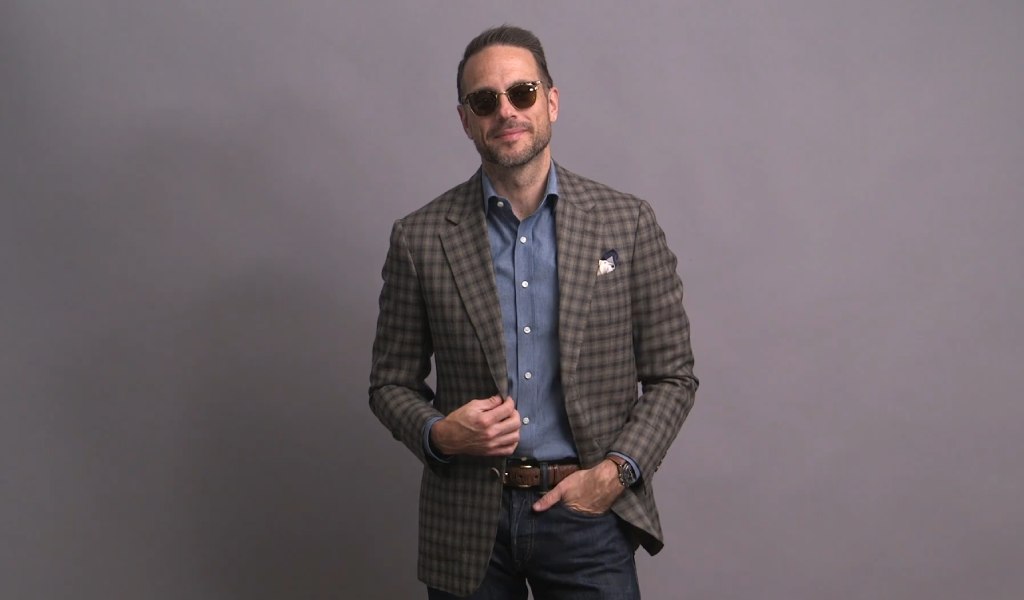
Dressing smart casual as a man involves combining polished pieces with comfortable, relaxed items. The goal is to appear intentional, approachable, and well-dressed without overthinking your outfit. Understanding how to mix tops, bottoms, outerwear, and accessories ensures you are ready for work, social gatherings, or semi-formal events.
Tops
Choose shirts and sweaters that are neat and well-fitted. Button-down shirts, polo shirts, and fine-knit crew-neck sweaters provide structure while remaining comfortable. Light patterns such as subtle checks or stripes add personality without appearing too casual.
Avoid graphic t-shirts or overly baggy tops as they disrupt the balance between smart and casual. Layering a fitted shirt with a lightweight sweater can also create depth while maintaining a professional edge.
Bottoms
Chinos and tailored pants are the foundation of smart casual attire. They offer a polished appearance while allowing freedom of movement. Dark, well-fitted jeans can also work when paired with structured tops and blazers. Ensure pants fit correctly around the waist and ankles to maintain a clean silhouette. Avoid ripped, faded, or overly loose denim as it leans too far toward casual.
Jackets and Outerwear
Adding a blazer, sport coat, or structured jacket elevates any outfit instantly. Opt for neutral colors such as navy, gray, or beige to maximize versatility. For cooler weather, a tailored coat or lightweight jacket over a shirt and sweater combination keeps the look cohesive. Properly fitted outerwear maintains proportions and enhances the smart aspect of your outfit.
Shoes and Accessories
Footwear completes a smart casual look. Loafers, brogues, or clean, minimalist sneakers offer both style and comfort. Pair shoes with matching leather belts to maintain a polished appearance. Watches or subtle accessories add sophistication without overwhelming the outfit. Avoid athletic trainers or worn-out shoes, as they reduce the overall refinement.
Smart Casual Outfits for Women
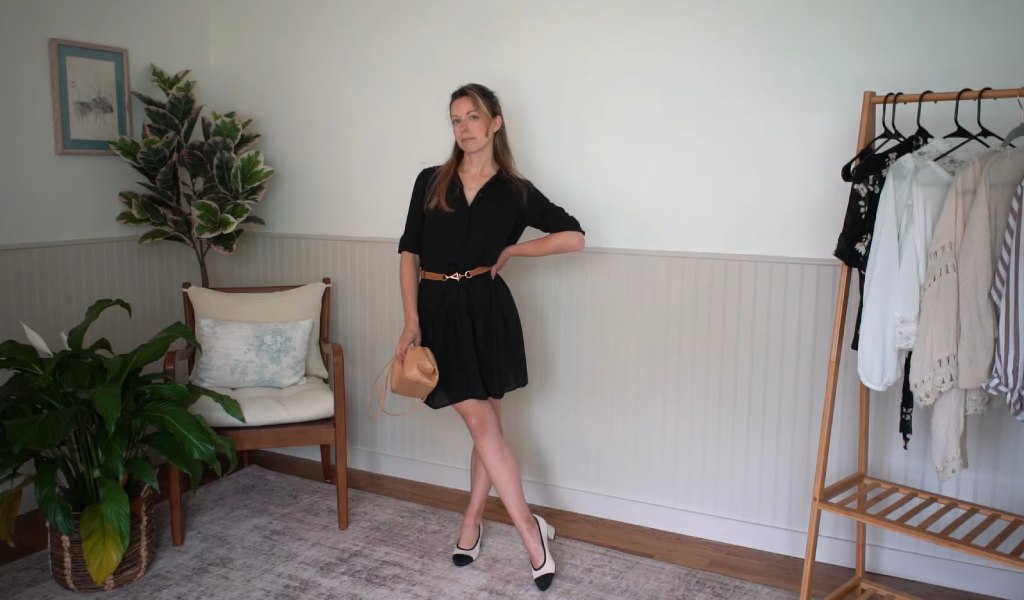
Creating a smart casual wardrobe for women involves combining polished, structured pieces with comfortable, versatile items. The aim is to achieve a look that is professional yet approachable, suitable for work, social events, and semi-formal occasions.
Understanding how to coordinate tops, bottoms, outerwear, and accessories ensures outfits are cohesive and stylish without being overdone.
Tops and Blouses
Structured shirts, knit tops, and minimalistic designs form the foundation of smart casual attire. Blouses with subtle patterns or textures add visual interest without overwhelming the outfit. Knit tops in neutral or soft tones provide comfort while maintaining a refined appearance.
Avoid overly casual tank tops or oversized tees as they reduce the polished effect. Layering a blouse under a cardigan or tailored jacket can create dimension and enhance the overall polished casual look.
Bottoms and Dresses
Tailored trousers and skirts create a structured base that keeps the outfit professional. Midi or knee-length dresses in solid colors or simple patterns are versatile choices that work for a range of occasions.
Dark, well-fitted jeans can also be incorporated when paired with a structured top or blazer. Pay attention to fit and proportion, as properly fitted bottoms elevate the overall look and help maintain balance between smart and casual elements.
Outerwear
Blazers, cardigans, and tailored jackets instantly refine any outfit. Neutral tones such as black, navy, or beige allow easy mixing and matching with existing wardrobe pieces. For cooler weather, layering a tailored jacket over a blouse and trousers maintains a cohesive appearance while providing practicality.
Choosing pieces with clean lines and subtle structure emphasizes a polished casual look without feeling stiff.
Shoes and Accessories
Footwear should complement the overall smart casual aesthetic. Ballet flats, loafers, ankle boots, or low heels provide style and comfort. Structured handbags and minimal jewelry complete the outfit without overwhelming it.
When selecting shoes, focus on clean designs and appropriate proportions. Accessories such as belts or simple watches can subtly enhance sophistication and maintain cohesion in the outfit.
Smart Casual vs Other Dress Codes
Understanding how smart casual differs from other common dress codes helps you dress appropriately for a variety of events. Each style has its own level of formality, so knowing the distinctions ensures you are neither underdressed nor overdressed.
| Dress Code | Typical Attire | When It Works | Key Notes |
|---|---|---|---|
| Casual | Jeans, t-shirts, sneakers, relaxed tops | Weekend outings, casual meet-ups, informal gatherings | Comfortable and relaxed, no polish required |
| Smart Casual | Chinos, blazers, tailored tops, clean shoes, midi dresses | Office events, casual Fridays, social dinners | Balances professionalism with comfort, allows personal style expression |
| Business Casual | Dress pants, button-down shirts, blazers, loafers | Work meetings, professional environments, interviews | More structured than smart casual, avoids denim and casual sneakers, maintains professional tone |
| Formal | Suits, ties, formal dresses, heels | Weddings, ceremonies, high-level meetings | Strictly professional or ceremonial, high polish required |
Key Differences
Smart casual differs from casual wear by introducing structured pieces like blazers, tailored trousers, and clean shoes. Compared to business casual, smart casual is more relaxed, allowing for dark jeans or knit tops while remaining polished. It also allows personal style through subtle patterns, accessories, and colors, making it versatile for semi-formal casual attire.
Tips to Nail the Smart Casual Look
Mastering the smart casual dress code is about combining polish, comfort, and personal style. Small adjustments in fit, color, and layering can dramatically improve the overall look, making it appropriate for both professional and social occasions.
Focus on Fit and Tailoring
Proper fit is the foundation of any smart casual outfit. Clothing that is too loose or too tight can look sloppy, while well-fitted pieces create a clean and intentional appearance.
Tailored trousers, structured jackets, and shirts that fit the shoulders and waist enhance the polished casual look. Even casual items such as knit tops or dark jeans appear elevated when proportion and fit are considered.
Use Neutral Colors as Base Staples
Neutral tones like navy, beige, gray, black, and white provide a versatile foundation for outfits. They are easy to mix and match while maintaining a cohesive, polished appearance. Starting with neutral base pieces allows you to experiment with subtle accents or textures without overpowering the outfit.
Add One Statement “Smart” Piece
Introducing a single smart element can elevate an otherwise casual outfit. This could be a blazer, a structured handbag, polished shoes, or a refined belt. The key is to highlight one piece that draws attention and balances casual comfort with professional polish.
Avoid Extremes
Smart casual is a balance between professional and relaxed styles. Avoid going too formal, such as wearing a full suit in a casual office setting, or too casual, like pairing sneakers with athletic wear. Maintaining moderation ensures your outfit communicates confidence and style without sending mixed signals.
Adapt to the Occasion
Different settings call for small adjustments to smart casual outfits. For a networking event, pair tailored trousers with a blouse or shirt and a blazer. For a casual Friday at work, dark jeans with a neat sweater and loafers can be sufficient. Observing the event’s tone and expectations helps you stay appropriately dressed while maintaining personal style.
Common Mistakes to Avoid
Even when you understand smart casual, certain errors can undermine your outfit. Paying attention to these common pitfalls ensures you maintain a polished casual look and appear intentional in any setting.
Overly Casual Items
Avoid gym wear, hoodies, flip-flops, or worn-out sneakers. These pieces are too relaxed for smart casual and can make an otherwise polished outfit look sloppy. If comfort is important, choose clean, minimalist shoes and well-fitted casual tops that retain structure.
Too Formal
Wearing full suits, tuxedos, or evening gowns can create an imbalance in casual settings. Smart casual allows for relaxed elements like dark jeans or knit tops, so excessively formal attire can make you appear overdressed. Instead, integrate one statement smart piece to elevate casual elements without overdoing it.
Mismatched Colors and Uncoordinated Accessories
Clashing colors, overly bold patterns, or mismatched accessories can distract from your overall look. Aim for a cohesive color palette and complement accessories like belts, watches, or handbags with the outfit’s tone. Subtle patterns and neutral bases help maintain harmony while allowing small accents for personality.
Why Smart Casual Works
Smart casual is one of the most flexible and approachable dress codes because it combines style, comfort, and professionalism. It allows you to look polished while feeling at ease, making it suitable for a variety of settings.
Versatility Across Settings
Smart casual adapts easily to different occasions. Whether you are attending a networking event, a dinner party, or a casual Friday at the office, this dress code ensures you remain appropriately dressed without compromising personal comfort. Mixing structured pieces with relaxed items allows outfits to transition smoothly from professional to social settings.
Expression of Personality
One of the strengths of smart casual is the opportunity to express personal style. Subtle patterns, textures, and accessories can showcase individuality while maintaining a polished appearance. Choosing colors and pieces that reflect your taste ensures outfits feel authentic while remaining suitable for professional and semi-formal environments.
Professional Yet Relaxed
By combining tailored pieces with comfortable basics, smart casual achieves the balance required for modern casual workwear and office casual fashion. You maintain a professional image without appearing overly formal, which helps create a confident and approachable impression in both workplace and social contexts.
Practicality and Ease
Smart casual works because it is practical. The combination of versatile tops, bottoms, and accessories allows for multiple outfit variations, reducing wardrobe stress. This efficiency makes it easier to assemble outfits that are functional, stylish, and suitable for daily life or unexpected events.
FAQs
What is the difference between smart casual and business casual?
Smart casual combines polished, structured pieces with comfortable, relaxed items, allowing personal style while maintaining professionalism. Business casual is more formal, typically excluding denim and casual sneakers, and relies on dress pants, button-down shirts, and loafers.
For example, a blazer with dark jeans fits smart casual, while the same blazer with tailored trousers aligns with business casual. Understanding this distinction helps you choose appropriate smart casual outfits for work and social settings.
Can I wear jeans in a smart casual outfit?
Yes, dark, well-fitted jeans without rips or fading are suitable. Pair them with tailored tops, structured jackets, or polished shoes to maintain a refined appearance. Avoid overly casual styles like distressed denim or loose-fitting jeans, as they reduce the polished casual look.
Are sneakers allowed in smart casual?
Clean, minimalist sneakers can work when paired with tailored or structured items. They are ideal for casual Fridays, networking events with relaxed dress codes, or social gatherings. Avoid athletic trainers or heavily branded sneakers, which can appear too casual and undermine the overall style.
How to dress smart casual for a work event?
For men, combine tailored trousers or chinos with a button-down shirt and a blazer or structured jacket. For women, pair a midi dress or tailored pants with a blouse and optional blazer. Adding clean shoes and subtle accessories completes a polished look suitable for professional gatherings.
How to add personality to smart casual outfits?
Incorporate subtle colors, textures, or patterns through tops, skirts, or accessories. Watches, belts, scarves, and understated jewelry allow self-expression without disrupting the cohesive, polished casual look. Thoughtful layering and coordinating colors help each outfit feel intentional and aligned with a smart casual style guide.
Key Takeaways
Smart casual is a dress code that combines professional polish with comfortable, approachable elements. It allows individuals to present themselves neatly while expressing personal style, making it suitable for work, social events, and semi-formal occasions.
The versatility of smart casual ensures that you can adapt outfits to different settings without worrying about being underdressed or overdressed. Key elements such as tailored tops, structured jackets, and well-fitted bottoms paired with relaxed pieces create a polished casual look that communicates confidence.
By following these guidelines and adjusting them to your taste, you can build a smart casual wardrobe that is practical, stylish, and flexible. Paying attention to fit, color coordination, and thoughtful accessories ensures every outfit reflects intention and modern casual workwear standards.