
Vests have officially stepped out of the boardroom and into the spotlight, evolving from a rigid formal requirement into 2026’s most versatile style statement. Whether you’re chasing the ‘Old Money’ aesthetic or a rugged streetwear look, mastering the vest is the ultimate way to add depth to any outfit.
However, to wear one without being mistaken for service staff, you must prioritize texture, fit, and contrast. By ditching the shiny “waiter-style” polyester for matte fabrics like tweed or linen and pairing them with dark denim or chinos, you can instantly transform this classic layer into a sophisticated, modern masterpiece.
Why You Look Like a Waiter (And How to Fix It)
The most common fear when wearing a vest is looking like you’re ready to take a drink order. This “waiter aesthetic” usually stems from a lack of intentional styling rather than the garment itself.
To transition from service staff to style icon, you must understand the subtle differences between a uniform and a curated outfit. By adjusting your color palette, fabric selection, and fit, you can ensure your vest looks like a high-fashion choice rather than a workplace requirement.
The Color Trap: Breaking the Black-on-White Cycle
The classic waiter uniform almost always consists of a black vest paired with a crisp white shirt and black trousers. When you replicate this high-contrast combination exactly, you inadvertently signal “uniform” to everyone around you.
To fix this, you need to introduce color variety or tonal shifts. Instead of a stark white shirt, try a light blue or a micro-patterned fabric. Swapping a black vest for charcoal, navy, or even deep forest green immediately breaks the service-industry association and makes the outfit look personalized and modern.
Fabric Choice: The Shift from Shiny to Matte
Most low-cost or industry-standard vests are made from shiny polyester because it is durable and stain-resistant. However, that reflective sheen is exactly what makes a vest look cheap and utilitarian.
For a sophisticated look, you should always prioritize natural, matte fabrics. Materials like tweed, brushed wool, cotton, or linen absorb light rather than reflecting it.
These textures add visual depth and a premium feel to your ensemble, signaling that your vest was chosen for its style and quality rather than its durability in a busy kitchen.
The Fit Factor: Avoiding the “Rental” Silhouette
Service-style vests are often mass-produced and designed to fit a wide range of body types, resulting in a loose, boxy silhouette that sags at the armholes and bunches at the waist.
A stylish vest, on the other hand, should function like a second skin. It must hug your torso cleanly without any pulling at the buttons or excess fabric flapping at the sides.
When a vest is tailored perfectly to your body, it accentuates your frame and creates a sharp, masculine V-taper. This level of precision is the quickest way to prove that your outfit is a deliberate style statement.
Mastering Different Types of Vests
The secret to a versatile wardrobe is realizing that not all vests are created equal. Depending on the fabric and cut, a vest can take you from a high-stakes boardroom to a casual mountain hike. Mastering the different categories allows you to adapt to any dress code while maintaining your personal style.
The Suit Vest (Waistcoat)
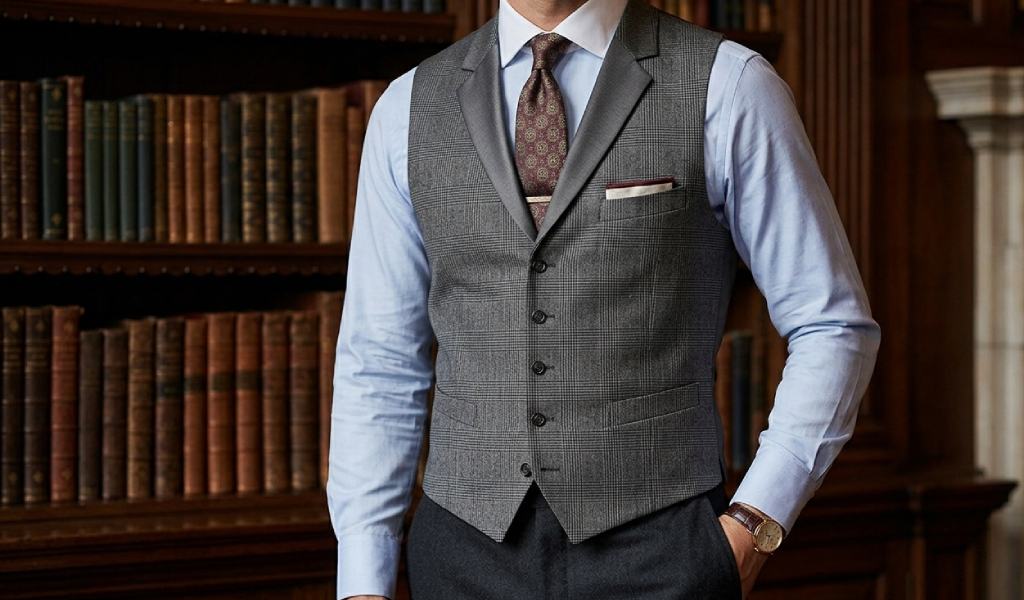
The suit vest, or waistcoat, is the most formal version of the garment. While it is traditionally seen as the middle layer of a three-piece suit, it has evolved into a powerful standalone piece.
When wearing it as part of a full suit, consistency is key—the fabric must match the jacket and trousers perfectly. However, for a more modern approach, you can opt for the “odd vest” look.
This involves pairing a textured waistcoat, like one made of grey tweed, with contrasting navy chinos or dark denim. This style breaks the formality while keeping you looking incredibly sharp and intentional.
The Sweater Vest
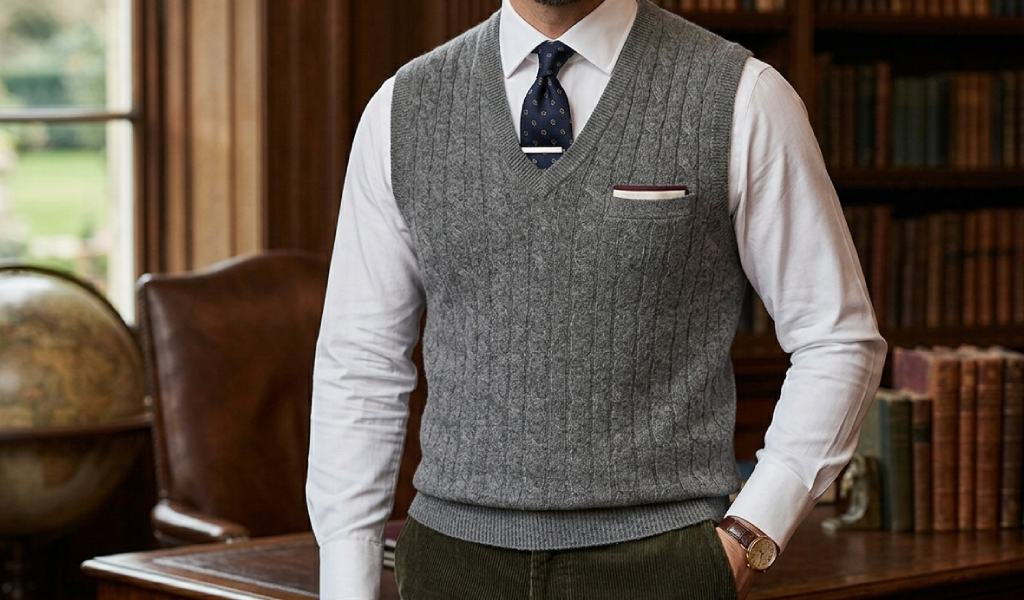
Once seen as “vintage,” the sweater vest has made a massive comeback thanks to the rise of the “Old Money” and “Preppy” aesthetics. This piece is the perfect middle ground between a heavy sweater and a formal waistcoat.
To capture this look, layer a cable-knit or solid-colored V-neck sweater vest over a crisp Oxford button-down shirt.
For a contemporary 2026 twist, people are now wearing oversized sweater vests over simple white T-shirts for a relaxed, academic vibe. It is a soft, approachable way to add layers without the bulk of full sleeves.
The Puffer and Quilted Vest
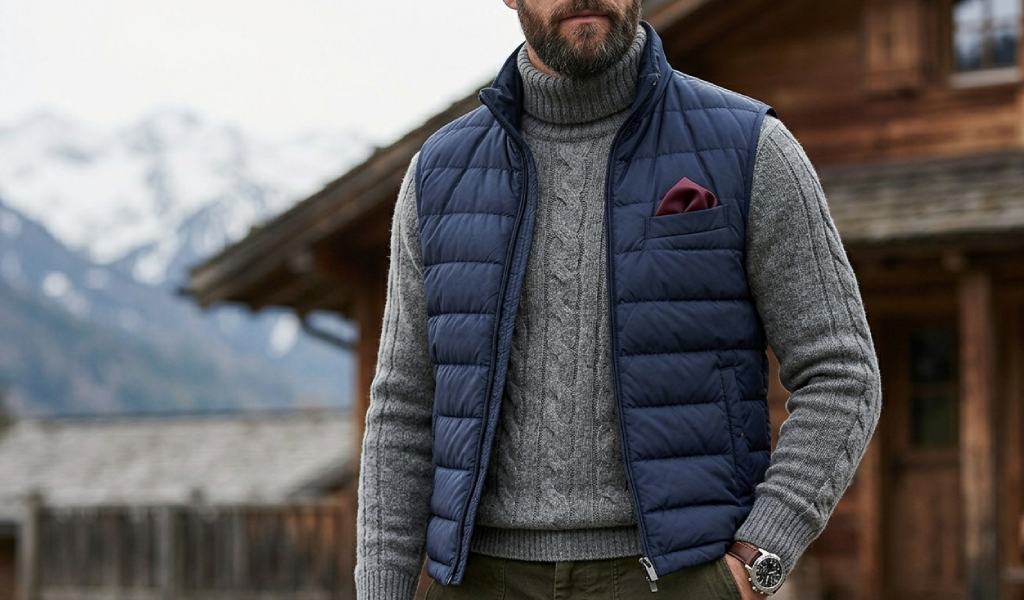
Commonly known as the “Gilet,” the puffer or quilted vest is the ultimate transitional piece for fall and spring. It prioritizes function by keeping your core warm while leaving your arms free for movement.
For a fashionable look, avoid oversized versions that make you look bulky; instead, choose a slim-profile quilted vest. A navy or olive gilet layered over a flannel shirt or a hoodie creates a rugged, outdoor-ready aesthetic.
Interestingly, slim puffer vests have also become a staple in “Corporate Casual” style, often worn over dress shirts in modern office settings.
The Utility and Technical Vest
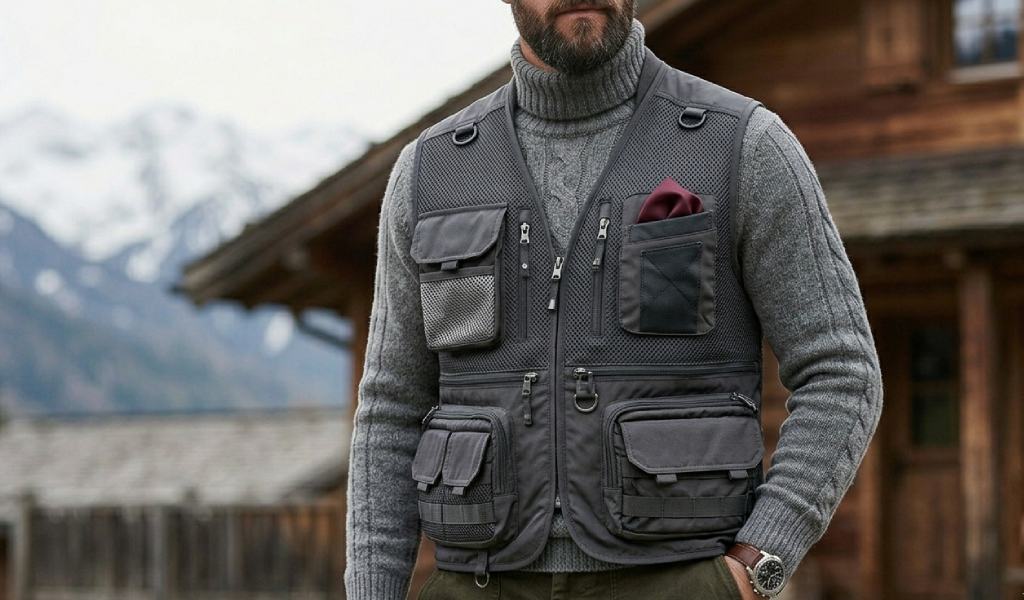
Inspired by military gear and workwear, the utility vest is a dominant force in modern streetwear. Defined by multiple pockets, zippers, and durable nylon or canvas fabrics, this vest is purely a statement piece.
To pull this off, let the vest be the star of the show by wearing it over a monochrome long-sleeve tee or a tech-wear hoodie. Pair it with cargo pants and high-top sneakers to lean into the “gorpcore” or tactical fashion trend.
Because these vests are visually “busy,” keeping the rest of your outfit simple ensures the look remains balanced and edgy.
Step-by-Step: How to Style a Vest Correctly
Following a few simple steps can be the difference between looking like a fashion expert and looking like you’re wearing a costume. Use this step-by-step guide to assemble the perfect vest-based outfit every time.
Prioritize the Three Pillars of Fit
Before you even leave the dressing room, check the shoulders, armholes, and torso. The shoulder seams should lie perfectly flat against your body without peaking or gapping.
Ensure the armholes are cut high enough to avoid showing too much of your shirt, and verify that the torso “hugs” your frame snugly. If the buttons are pulling or if there is excess fabric flapping at your sides, the fit is incorrect.
Eliminate the “Shirt Gap”
A common vest-wearing disaster is the visible triangle of shirt fabric peeking out between the bottom of the vest and the top of your trousers. To fix this, ensure your vest is long enough to completely cover your waistband.
Styling your vest with mid-to-high-rise trousers—rather than low-slung jeans—is the secret to maintaining a seamless, elongated silhouette.
Respect the Bottom Button Rule
Unless you are wearing a tuxedo, the bottom button of your vest should always remain undone. This tradition isn’t just about style; it’s about comfort.
Leaving the last button open prevents the vest from bunching up or “riding up” when you sit or move, allowing the hem to flare slightly over your hips for a more natural look.
Balance Your Layers Strategically
The shirt you choose underneath dictates the formality of the look. For a sharp, professional vibe, pair a structured dress shirt with a suit vest.
If you’re going for a weekend or “Old Money” look, opt for a textured Oxford Cloth Button-Down (OCBD). Always ensure your shirt is tucked in tightly to prevent “muffin-topping” around the waist of the vest.
Anchor the Look with the Right Bottoms
The final step is choosing pants that complement the vest’s texture. If you’re wearing a formal waistcoat, anchor it with tailored chinos or dark, unwashed denim to keep it modern.
For sweater vests, corduroy trousers or pleated slacks add a nice academic touch. Avoid wearing pants that are too baggy, as they will clash with the streamlined nature of a well-fitted vest.
5 Common Mistakes to Avoid
Even with a premium vest, a few small errors can ruin the entire aesthetic. Avoid these common pitfalls to keep your look sharp and intentional:
Mistake #1
Wearing a Belt A belt creates an awkward, bulky bulge right under the pointed hem of your vest, completely destroying the smooth, streamlined silhouette you’re aiming for. Because a vest is meant to lie flat against your waist, a belt buckle pushes the fabric outward, making the midsection look cluttered.
- The Fix: Use trousers with side adjusters or suspenders (braces) for a cleaner finish.
Mistake #2
Choosing Shiny Fabrics Many budget-friendly vests are made from high-shine polyester. This reflective finish is a hallmark of low-cost uniforms and instantly makes you look like you’re about to hand someone a menu.
- The Fix: Stick to matte finishes like wool, tweed, or brushed cotton. These fabrics absorb light and look much more expensive.
Mistake #3
Tucking the Vest In It may sound hard to believe, but beginners occasionally try to tuck their vest into their trousers as if it were a shirt. A vest is a structural outer layer (or middle layer) and is never meant to be tucked in.
- The Fix: If your vest feels so long that it needs tucking, it is simply the wrong size or cut for your body.
Mistake #4
The Wrong Length If a vest is too short, you’ll suffer from the “shirt-gap” (where your shirt shows at the waist). If it’s too long, it begins to look like a tunic or a kitchen apron, shortening your legs visually.
- The Fix: The points of your vest should hit about an inch below your belt line—just enough to cover the waistband of your pants.
Mistake #5
Over-Accessorizing Wearing a pocket watch, a tie bar, a lapel pin, and a pocket square all at once is “costume territory.” Too many accessories distract from the clean lines of the vest.
- The Fix: Pick one statement piece. If you’re using a pocket watch chain, skip the tie bar to keep the look sophisticated and modern.
Pro-Tips for a Modern Look
If you want to move beyond basic styling and truly stand out, you need to lean into contemporary trends. These “pro-tips” will help you take a traditional garment and make it feel fresh, edgy, and intentionally stylish.
Master the Texture Clash
One of the easiest ways to strip away the “stiffness” of a vest is to play with contrasting fabrics. A powerful modern move is pairing a high-end, structured fabric with something rugged and casual. For example, try wearing a charcoal wool or tweed vest over a washed denim shirt.
The ruggedness of the denim perfectly offsets the formality of the wool, creating a balanced, “rugged-professional” aesthetic that works just as well for a dinner date as it does for a creative office setting.
The “Vest-Only” Statement
In 2026, the biggest trend across both men’s and women’s fashion is wearing the vest as a standalone top—no shirt underneath. This minimalist approach creates a sleek, sharp silhouette that feels incredibly contemporary.
For women, a slightly cropped, tailored vest paired with wide-leg trousers or a midi skirt offers a powerful “minimalist-chic” vibe. If you’re trying this look, ensure the vest is perfectly tailored to your skin to avoid gaps at the armholes, maintaining a clean and deliberate line.
The Power of the Rolled Sleeve
If you are layering a vest over a long-sleeve button-down, the fastest way to look “cool” and “off-duty” is to roll up your sleeves. By executing a clean master roll (folding the cuff twice up to the mid-forearm or elbow), you instantly break the formal tension of the vest.
This styling trick suggests a “hard at work” yet relaxed energy, making it the perfect move for wedding receptions, summer parties, or any environment where you want to look sharp without appearing “stuffy.”
People Also Ask (FAQ Section)
Can I wear a vest without a tie?
Absolutely! In fact, skipping the tie is often the best way to avoid looking like a waiter or a corporate employee. Leaving the top button of your shirt open while wearing a vest creates a relaxed, “smart-casual” vibe that is perfect for dates, dinners, or creative office environments. It shifts the focus away from the formality and onto the fit and fabric of the vest itself.
Should a vest be tighter than a jacket?
Yes. While a jacket needs a bit of “ease” for movement and layering, a vest is meant to be a “second skin.” It should hug your torso closely to create a clean, slim silhouette that defines your waist. However, “snug” should not mean “restricted”—if the fabric puckers or the buttons look like they are under tension, the vest is too tight.
What pants go best with a standalone vest?
If you aren’t wearing a full three-piece suit, contrast is your best friend. Dark indigo denim (without heavy fading) or tailored chinos in earth tones like tan, olive, or navy provide the best balance.
Avoid wearing pants that are the exact same color as your vest unless they are part of a matching set; otherwise, it looks like an accidental “near-miss” in color matching.
Is it okay to wear a vest with a T-shirt?
This depends entirely on the type of vest. For puffer, quilted, or utility vests, a T-shirt is a perfect match for a rugged, casual, or streetwear look. However, for suit vests (waistcoats), you should avoid the T-shirt.
The formal structure of a tailored vest clashes with the casual nature of a T-shirt, often resulting in a messy or unfinished appearance. Stick to collared shirts for anything tailored.
Final Thoughts on Styling a Vest
The vest is one of the most versatile tools in a modern wardrobe. Whether you’re leaning into the 2026 “vest-as-a-top” trend or layering a classic tweed waistcoat for a winter wedding, the key always comes down to fit, fabric, and confidence.
By avoiding the “waiter look” through texture and contrast, and remembering the bottom button rule, you’ll ensure that you look intentional every time you step out.